


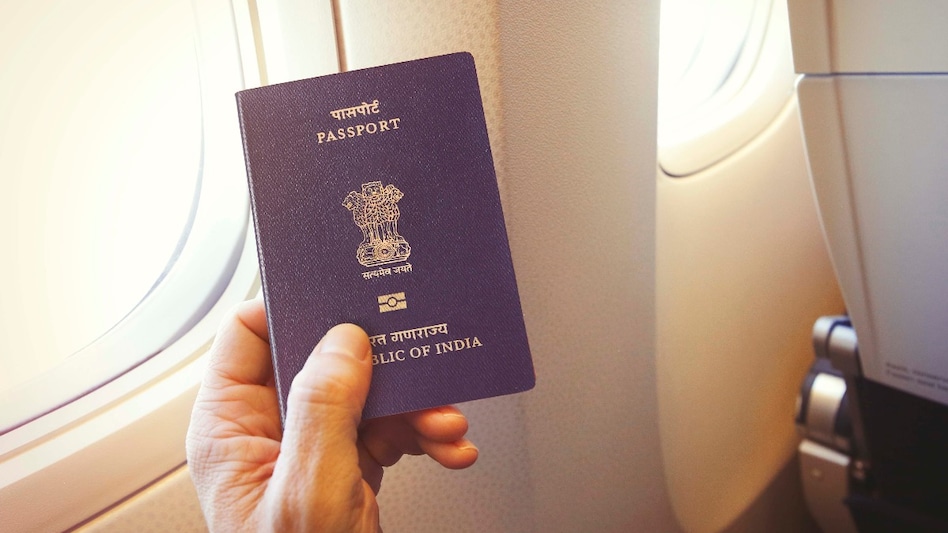
 Indian passport strength has decline in past 20 years as per the Henley Passport Index 2026 (Photo: Getty)
Indian passport has dropped one position in the July 2026 update of the Henley Passport Index, now sitting at 81st globally. Indian passport holders can currently travel visa-free or receive a visa on arrival at 55 destinations worldwide.
It has been an unsteady year for the passport's ranking. It opened 2026 at 80th in January, climbed to 75th in February, and has since slipped back, touching 80th in June before falling to 81st this month.

 VA Tech Wabag stock: DIIs triple stake in two years; Systematix lists out triggers
  Sixth PIL: 'Opportunity bigger than Rs 3,070 crore'; HAL, BEL, BDL top beneficiaries
 BSE shares fall over 2%; what is dragging the stock?
 iPhone 18 launch timeline: Apple may hold back standard model until spring 2027
 'I had little money in my pocket, but...': Vedanta's Anil Agarwal recalls his first 8 ft x 9 ft office in Mumbai
 Bihar School Horror: Detergent Served Instead Of Salt, Nearly 40 Students Fall Ill
 Imran Khan Hospital Shift: Pakistan Govt Challenges SC Order In Fresh Power Struggle
 Pakistan’s TikTok Killings: Influencer Shamso Bibi Shot Dead As Violence Raises Alarm
 BJP’s Gen Z Reset: Why Modi & Ministers Are Going All-In On Instagram
 Trump Says AI Could Be Bigger Than Internet, To Meet Top Industry Leaders Next Week
 HAL, BEL, MDL, Cochin Shipyard, Solar Ind shares: Kotak picks top defence stockBSE shares fall over 2%; what is dragging the stock?VA Tech Wabag stock: DIIs triple stake in two years; Systematix lists out triggers
  500% dividend per share announced by this NBFC: Check record date
 Strides Pharma shares jump 10% as Bengaluru facility receives VAI classificationHAL, BEL, MDL, Cochin Shipyard, Solar Ind shares: Kotak picks top defence stock
 Why has Green AI/Data Centre proposal in Andaman & Nicobar been withdrawn?
 Sitharaman, Jaishankar, Goyal, Vaishnaw in Singapore as govt steps up economic, tech engagement with city-state
 CMF Buds Neo launched in India at Rs 1,999 with 35 dB ANC, 52-hour battery lifeBihar School Horror: Detergent Served Instead Of Salt, Nearly 40 Students Fall Ill












