


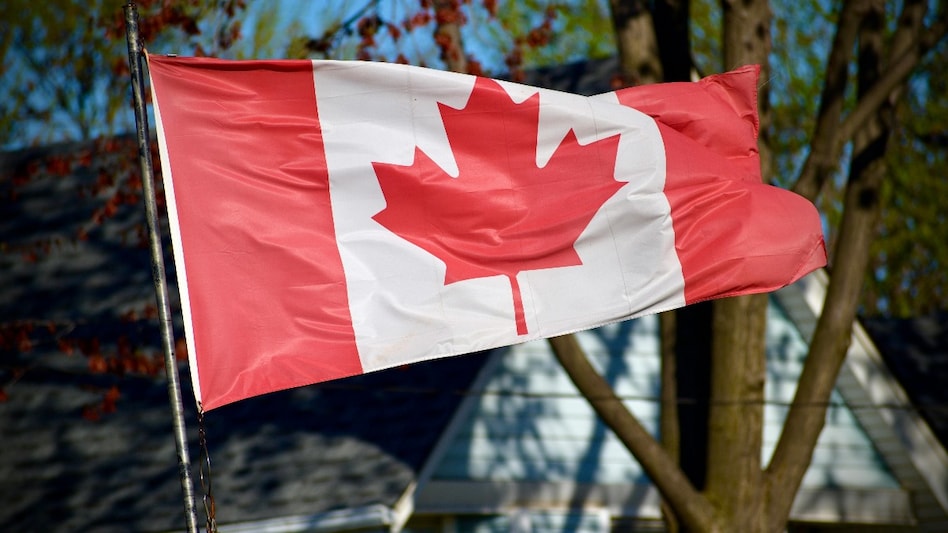
 The programme is part of a broader effort to deepen Canada–India academic partnerships, research cooperation and student mobility
In a move to boost the number of Indians studying in Canada, the nation has announced a $100 million scholarship initiative to expand higher education opportunities. The move is also expected to strengthen academic collaboration between the two countries.
The programme is part of a broader effort to deepen Canada–India academic partnerships, research cooperation and student mobility, offering new funding and study pathways for Indian students interested in pursuing degrees in Canadian institutions.

 BT BIG STORY: How India’s space startups are building on Isro’s blueprint
 Opposition's march to SC: Delhi police announces 30 key route diversions. Check details
 Delhi Metro closes 6 major stations ahead of Opposition's Supreme Court march today
  Commodities steal the show in 2026, surging 47.4% as gold and Bitcoin slip into negative territory
 Bipartisan Backlash: 6 US senators demand Trump admin reverse course on Russian diesel plan
 REITs & AI Boom: Can Data Centres And AI-Ready Offices Drive Future Real Estate Growth?
 Should You SIP In REITs During A Market Downturn? Key Risks & Asset Allocation Explained
 REIT Returns Explained: Income, Capital Gains & Risks Investors Need To Know
 REIT Risks Explained: Key Factors Investors Must Check Before Investing In Commercial Real Estate
 Will IRDAI’s Broker Commission Crackdown Make Insurance Cheaper For Consumers?
 Jio IPO price band: Valuation cut for RIL, Bharti Airtel looks attractive; target prices
 Lenskart, Infosys, DMart, Canara Robeco AMC, AR Wealth, Meesho, Canara HSBC among top stocks in newsCommodities steal the show in 2026, surging 47.4% as gold and Bitcoin slip into negative territory
 BT Market Outlook: The drivers, risks and opportunities for the week ahead
 Market on the back foot, opportunities ahead: where should investors put their money?
 Navratri 2026: Garba-dandiya events in Delhi-NCR, Check dates, venues, timings, ticketsJio IPO price band: Valuation cut for RIL, Bharti Airtel looks attractive; target pricesLenskart, Infosys, DMart, Canara Robeco AMC, AR Wealth, Meesho, Canara HSBC among top stocks in news
 Quote of the Day by Nikhil Kamath: 'Wealth is built slowly. The idea is to stay in the game long enough'
 Two tankers carrying Indian seafarers hit in Strait of Hormuz & Oman, MEA condemns strikes












