


 And it’s not just immigrants who lose. Mid-career American employees may feel pressure as employers shift hiring preferences toward high-cost foreign workers to meet the new selection criteria.
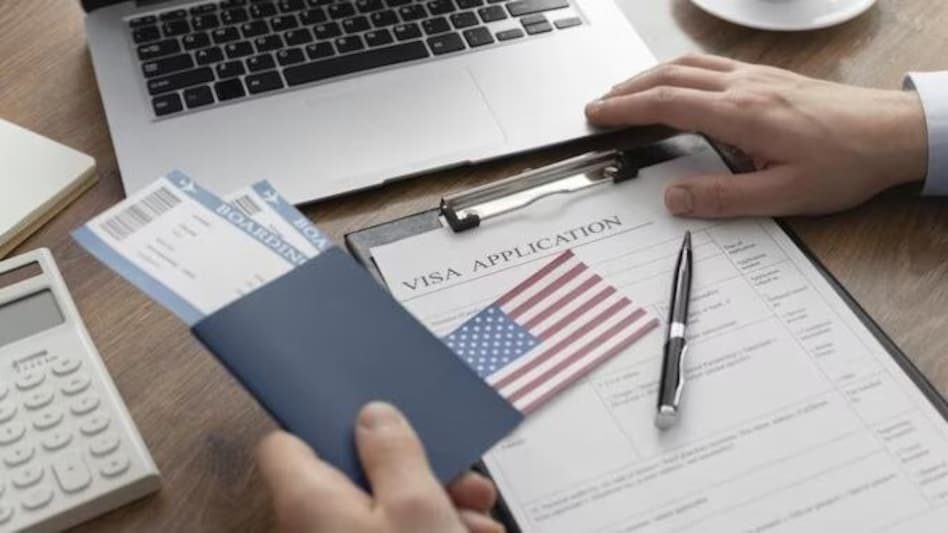
A sweeping change to the H-1B visa system could dramatically reshape who gets to work in the U.S.—and who doesn’t. Under a new wage-weighted lottery proposal set to take effect as early as FY2026, foreign workers will no longer have equal odds. Instead, their chances will be tied to salary level—putting startups, recent grads, and international students at a severe disadvantage.
The Department of Homeland Security is preparing to publish a proposed rule that replaces the current random H-1B lottery with a wage-tiered system. Every job will be classified into four wage levels—based on location and role—corresponding to percentiles in the Department of Labor’s wage database. Level IV (67th percentile and above) will get 4x the lottery entries, while Level III gets 3x, Level II gets 2x, and Level I only one.
Debarghya 'Deedy' Das, a Kolkata-born technologist and VC, broke down the implications on X: “It’s really bad for startups, early employees, helps IT consulting shops and can be easily gamed.”

 AI agents are coming for every day tasks: What Goldman Sachs sees for the next AI growth wave
 French fuel crisis deepens as one in nine stations run out of stock, diesel prices at record high
  Escalating Houthi-Saudi clashes trigger fresh US travel warning across West Asia
 ₹5 lakh crore profit, not loss? SBI Research’s case for FCNR(B) scheme explained
 China cut oil imports 32% during Iran war: How Beijing helped contain the global price shock
 Health Insurance Buying Guide: 7 Things First-Time Buyers Must Check Before Choosing A Policy
 CEA On India’s 7.8% Growth, Rural Incomes And Government’s Job Creation Push
  Gold Price Outlook: Why Dollar Weakness Could Keep Gold And Silver Prices Attractive Ahead
 Gold vs Silver Investment Strategy: Is This The Right Time To Buy For Long-Term Returns?
 Corporate Vs Personal Health Insurance: Which Is Better On A Budget?
 Jindal Supreme, SS Retail, Hero Motors IPOs subscribed up to 181 times on final day; details here
 Sensex, Nifty post sixth weekly loss; TCS, Titan among top laggards, slip up to 4%
 How AI collapse could benefit Indian equity market; Jefferies' Christopher Wood explains
  Banks are no more secular growth story, prefer NBFCs: Chris Wood
 Jefferies' Christopher Wood sees gold at $10,000 'sooner or later'; likes India's small, midcapsHealth Insurance Buying Guide: 7 Things First-Time Buyers Must Check Before Choosing A Policy
 ‘We pay ₹3,000 crore in tax every year’: BCCI’s big disclosure at AGM
  ‘Aur bhi chamkunga’: Shah Rukh Khan’s ₹300-crore Mannat gets new gallery for fan greetings
  From Telegram group to a profitable startup: Student turns admission queries into ₹10 lakh businessFrench fuel crisis deepens as one in nine stations run out of stock, diesel prices at record high












