


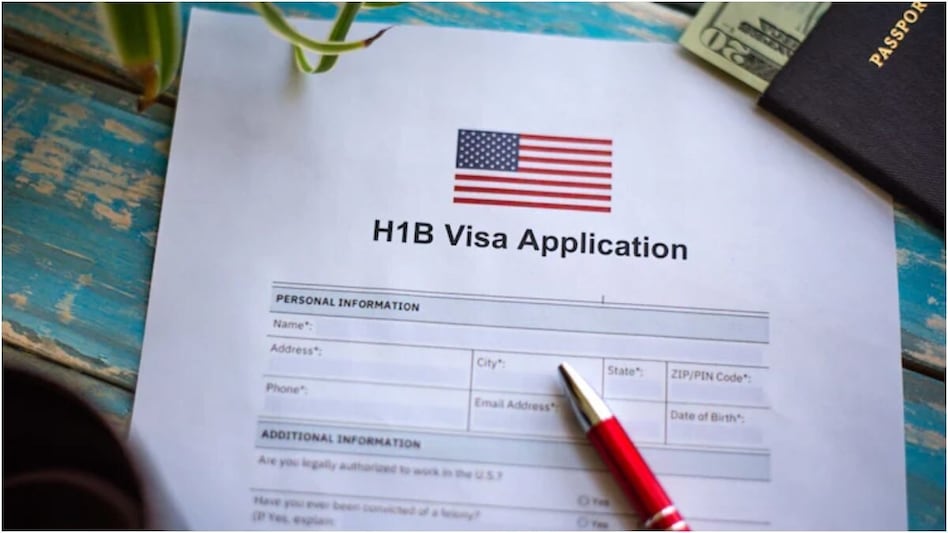
 Indian IT services firms, historically among the largest users of H-1B visas, have been steadily reducing their dependence on the programme.
Texas Republican Congressman Chip Roy recently introduced draft legislation in the US Congress to overhaul the H-1B visa, one of the most widely used routes for skilled workers to live and work in the US. If passed, the bill could impact Indians massively, as roughly 7 of every 10 H-1B workers in the US are Indian-born.
What is the H-1B visa, and who uses it?

 Tata Sons gets 3-month AGM extension from RoC amid leadership uncertainty: Report
 Trump calls Venezuela oil agreement ‘biggest deal in world history’, says it will cut US gas prices
 'Will work with friends in Switzerland': Media baron Subhash Chandra reveals next course of action after NCLT order
 Nepal flash floods: Infosys subsidiary chief Lax Gopisetty not reachable. Read full company statement here
 FCNR(B) deposits surge $65.4 billion, pushing India’s forex reserves to a record $729.33 billion
 Debt Funds Explained: How They Work, Where They Invest & How Investors Earn Returns
 How Much Silver Should You Allocate In Your Portfolio? Expert Shares Ideal Portfolio Strategy
 CMF Buds Neo Review | Tech Gear | Business Today
 Gen Z Is Changing Politics? D.K. Shivakumar On Youth Power & Rahul Gandhi’s Outreach
 Babita Singh Reporting, Part-Timers, Bandar & More: 5 OTT Releases To Watch This Weekend
 Jio Platforms IPO gets SEBI nod: Rs 27,500 crore debt repayment plan, $100 billion valuation in focus
 Closing Auction Session: Why the system expected to reduce volatility is still seeing occasional wild swings
 RIL-backed penny stock hits 52-week low; firm clarifies on high trading volume
 Happiest Minds shares slip despite IT stocks surge; here's what is weighing on the stock
 BEL, Solar Industries shares remain Nuvama's top defence picks; here's what it said on BDL, Data Patterns, HAL'Will work with friends in Switzerland': Media baron Subhash Chandra reveals next course of action after NCLT orderFCNR(B) deposits surge $65.4 billion, pushing India’s forex reserves to a record $729.33 billionDebt Funds Explained: How They Work, Where They Invest & How Investors Earn ReturnsTata Sons gets 3-month AGM extension from RoC amid leadership uncertainty: Report
 Maharashtra FDA crackdown: Cockroaches, reused oil, cross-contamination found in 4 Mumbai kitchens; licences suspended












