


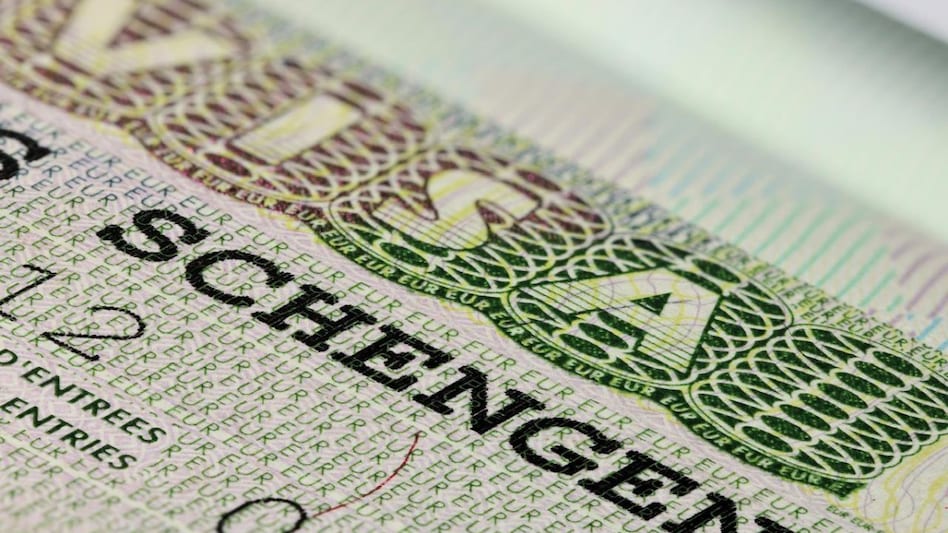
 Schengen visa woes: Indian professional’s rejection story offers key lessons for travellers
A Reddit post detailing an Indian professional’s back-to-back Schengen visa rejections has struck a chord with travellers, offering a cautionary look into what can go wrong in Europe-bound applications. The applicant, who had planned to attend a business conference in France, said their first visa was rejected due to an agency’s documentation error, and their second, despite a cleaner application, was denied again.
According to the post, the French consulate cited “purpose and intention of stay felt unreliable” and “reasonable doubts on whether I’ll leave the member states even after the visa expires.” These are among the most common grounds for refusal under Schengen visa rules, which require officials to be satisfied not only with paperwork but also with the applicant’s credibility and ties to their home country.

 Nifty’s festive comeback: Can the bulls keep the party going?
 Jio IPO listing to make it India’s 4th most-valued firm after RIL, Airtel, HDFC Bank
 SIR row: Supreme Court issues notice to EC; seeks response from Gyanesh Kumar, 2 other ECs
 Jio IPO: Meta, Google, ADIA, 7 others eye Rs 3.2 lakh crore stake value, gains on investment
 BT Explainer: What is BS-VII, what changes does the draft propose, and how could it impact vehicle manufacturers and buyers?
 Jantar Mantar Protest Ban: Are Delhi’s Alternative Sites Fit For Protests? | Ground Report
 K Annamalai’s Political Test: Can We The Leaders Make An Electoral Mark?
 LIVE What’s Hot: Stocks, Gold & Big Money Moves | Daily Markets Show | October 15 | Business Today
 CEAT Q2 Results | CFO Kumar Subbiah on Profit Fall, Margins and Growth Outlook
 Fusion CX IPO Explained | Founders on Valuation, Growth Strategy and AI Opportunity
 HDB Financial Services shares slump 8% to record low; brokerages cut targets post weak Q2
 BHEL target price: Stock falls 6% even as brokerage ups estimates; should you buy, sell or hold?
 HDFC AMC shares rise 6% on Q2 earnings, check details Nifty’s festive comeback: Can the bulls keep the party going?
 Tata Communications shares jump after Q2 earnings; key things to know
 Infosys is hiring 20,000 freshers in the AI Era. But will their jobs look the same?
 Who are the 10 youngest entrepreneurs on Hurun’s U35 list 2026? Meet the leaders across AI, jewellery, industrials
 BGMI Lite is now BGMI Air! Here's what's players should know ahead of India launch
  Why Mahindra is shifting gears to join the CNG SUV raceHDB Financial Services shares slump 8% to record low; brokerages cut targets post weak Q2












