









 Thailand cuts visa-free stay from 60 to 30 days

 Thailand cuts visa-free stay from 60 to 30 days
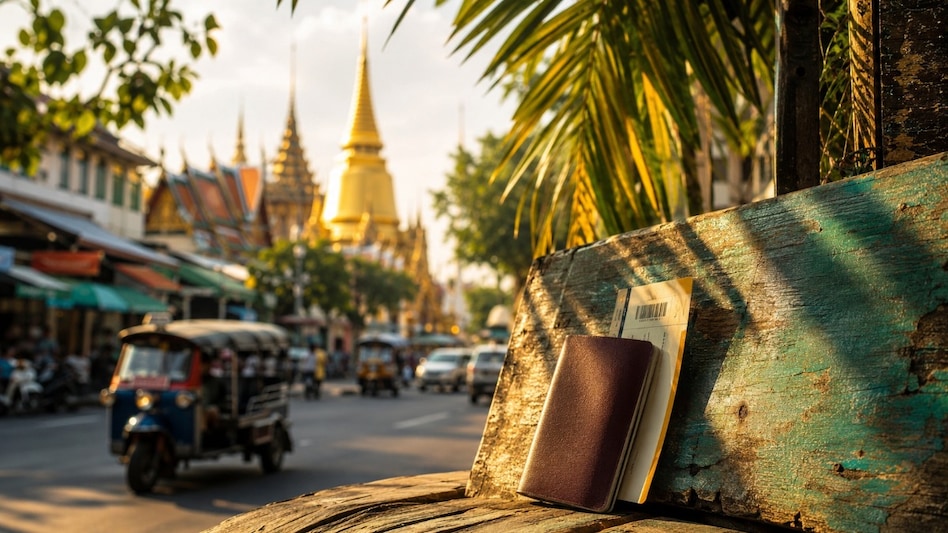
 Thailand is pulling back one of its most generous tourism perks. The country's foreign minister announced Tuesday that the visa-free stay period for tourists from 93 countries, currently 60 days, will be cut to 30 days, citing concerns over criminal activity and the misuse of extended tourist visas, according to a report by Reuters.
Foreign Minister Sihasak Phuangketkaeow said the Ministry of Foreign Affairs will submit a plan to the Cabinet for approval, though no timeline was given for when the change would take effect.
Why Thailand is tightening the rules
Thailand introduced the 60-day visa-free window in July 2024 to revive tourism and attract long-stay visitors. It worked, arrivals surged, and destinations like Bangkok, Phuket, Pattaya and Chiang Mai saw a significant uptick in footfall. But the open-door policy also drew a different kind of visitor.
Thai authorities say the rollback is a direct response to the misuse of extended tourist visas by individuals using their stay for unauthorised business operations, scams and illegal employment. In addition to reducing the visa-free window, Thai authorities will also scrutinise other visa categories to ensure individuals entering the country comply with the stated purpose of their visa.
The numbers tell a complicated story. From January 1 to May 10, 2026, Thailand welcomed 12.4 million foreign tourists, a 3.43% decline from the same period last year. Tourism remains a critical economic driver for the country, with foreign arrivals having peaked at nearly 40 million in 2019.
What it means for Indian travellers
India is among the 93 countries affected by the change, meaning the cut directly hits a significant chunk of the Indian travel market.
For the average Indian tourist on a short holiday, 30 days is more than enough. But for a growing cohort of slow travellers, digital nomads and workation enthusiasts, many of whom have been splitting extended stays between Bangkok, Koh Samui and Chiang Mai, the reduction is a meaningful constraint.
Travellers who previously mapped out two-month itineraries across islands and co-working spaces will now need to plan more carefully and monitor their timelines more closely. The flexibility that made Thailand a favoured long-stay destination for Indians, particularly post-pandemic, as remote work normalised extended travel, becomes considerably more limited under the new rules.
There is one possible workaround. While the visa-free duration will be reduced to 30 days, Thailand's Foreign Ministry has indicated that travellers may still be able to apply for an extension in-country, subject to immigration approval. Whether that process remains accessible and straightforward will be closely watched.

 Rajesh Exports case: NFRA begins probe after Sebi flags alleged ₹15.15 lakh crore mismatch
 'It is a misrepresentation': Hardeep Singh Puri rejects reports of E20 vehicle issues
 Mumbai, Pune rain: Why Mumbai's extreme rainfall is no longer just about El Niño as climate risks intensify
 After 76% YTD rally, brokerage sees another 83% upside in this stock
 Vedanta's Anil Agarwal says 'Dharti Maa' is everything for us and its potential...
 Nothing Co-Founder Breaks Down Phone (4b), India Plans & Rising Costs
 DMK Vs TVK: Udhayanidhi Stalin's 'Sofa' Jibe Triggers Fresh Political Showdown
 Why Stock Markets Can Rally 10-15%? Siddhartha Khemka Explains
 Siddhartha Khemka Explained Why These Stocks May Stay Under Pressure
 MOFSL Top Stock Picks: ICICI Bank, Airtel, Titan, M&M And Midcap Winners | Siddhartha Khemka
 SpaceX to join Nasdaq-100 just weeks after IPO; $4.3 billion passive inflows expectedAfter 76% YTD rally, brokerage sees another 83% upside in this stock
 Sensex, Nifty halt 4-session winning run; here's why markets fell and what's next
 Q1 results: Why Infosys is expected to be a top performer in the IT sector
  Cult.fit files DRHP with SEBI for to launch its IPO; check details