


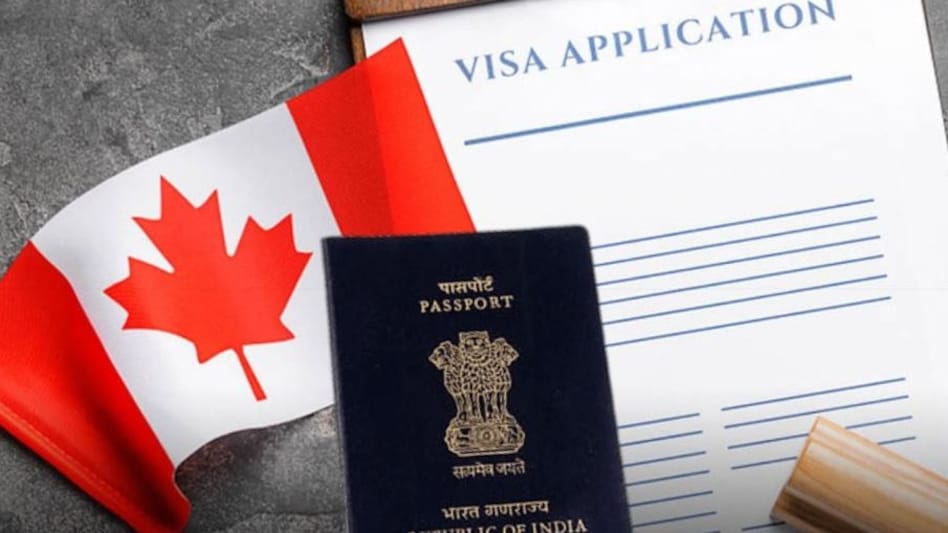
 Visa clampdown in Canada triggers Indian student migration to new global destinations
A record surge in Canada’s student visa rejections has forced Indian students to look beyond traditional destinations. With 74% of Indian study permit applications denied in August 2025, up from just 32% a year earlier, many are now turning to countries offering affordable education, smoother visa processes, and stronger post-study opportunities.
Explaining the fallout, Saurabh Arora, Founder and CEO of University Living, told Business Today that the policy shift is prompting Indian students to explore alternative education destinations offering both quality and affordability. “With Canada reducing its student intake, a new wave of opportunities is opening up for Indian students across the globe. New Zealand, European nations like Germany and France, Southeast Asian hubs such as Singapore and Malaysia, and the UAE are emerging as exciting destinations offering world-class education, diverse cultural exposure, affordable living, and strong post-study career pathways,” Arora said.

 NCLT order misread: Subhash Chandra's ₹22,006 cr case isn't a 99.97% bank loss, say govt sources
 BT Explainer: Why JSW Group is putting its plans to make battery cells in India on hold
 BPCL takes rare risk to bring Iraqi crude through Strait of Hormuz
 NDA may win 326 seats, BJP 261 if Lok Sabha polls held today: India Today-CVoter MOTN
 India eyes ₹13,000 crore battery component push to reduce reliance on China: Report
 Nepal Flood Crisis: Massive Floods Leave Trail Of Destruction Across Rasuwa, Nuwakot And Chitwan
 Oseltamivir Shortage Explained: Why H1N1 Cases Are Driving Demand & Prices Are Varying Sharply
 Stock Market Outlook: Strong Earnings, Global Risks; What’s Next For Nifty Above 24,000?
 Lupin Stock Outlook: Citi Downgrade Vs Bernstein Buy; Is The Pharma Stock A Buy Now?
 Polycab, KEI Industries: BofA Buy Calls, Targets Up To ₹11,000; Sunny Agrawal Picks Polycab
 HDFC Bank shares hit 52-week low, down 28% YTD; experts see further downside
 Fintech firm Paramotor Digital gets Sebi nod for IPO
 Wipro ADRs jump 7% on Google Cloud partnership; key details
 Internet stocks look expensive, but Nykaa and Lenskart remain long-term bets: Mayuresh Joshi
 Gujarat Pipavav shares: JM Financial retains target, sees 27% upside
 Gold at $4,400: Is it still worth buying after the latest rally?
 Himalayan disaster: No warning, no trigger. What triggered the deadly Nepal-Tibet floods?
 India’s minimum wage vs US, China and Japan: How much do workers earn in purchasing-power terms?
 Nepal may tap India for power imports as glacier collapse hits critical hydro infra: Report
 ICICI Prudential, Wealth Company launch NFOs: Dynamic asset allocation vs multi-cap strategy












