

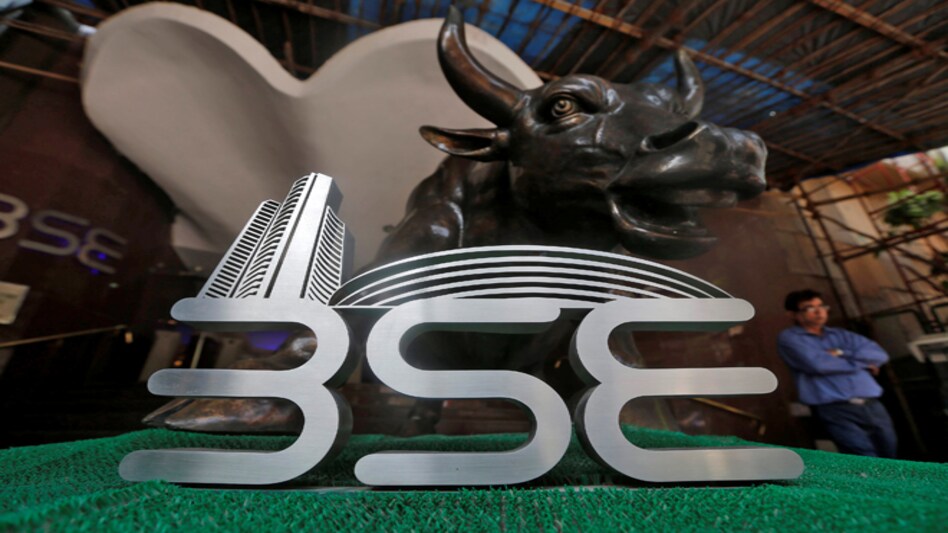
While Sensex scaling 50,000 gives us an opportunity to celebrate a milestone, the underlying fact is we have seen an unprecedented upside in Indian equity markets since the slide of March 2020. Let us analyse why 50,000 in January 2021 seems so normal, when many believed that the index may fall to 20,000 levels in the last week of March 2020 as the uncertainty of COVID-19 outbreak weighed supreme.
Firstly, in the last nine months, India has done significantly better than several countries in containing the epidemic. The number of new infections in India has continued to edge down even as many countries are experiencing a surge of second wave. While the government had announced a modest stimulus (approximately 2 per cent of GDP), the recovery momentum has been strong. Secondly, positive news flow on vaccination along with Biden's victory in the US elections have driven a risk-on sentiment globally. This risk-on sentiment has benefitted India as it has received disproportionately large share of foreign portfolio flows in CY20, due to better growth prospects. FIIs invested aroun $23 billion in Indian equities in CY20, even as most large EMs barring China reported FII outflows from equity markets.
 Tata Trusts propose merger of two Tata units with Tata Sons to avoid listing
 Air India CEO-designate Tewolde lays out 5 priorities, puts safety and reliability first
 Nifty set for worst returns in 15 years, analysts weigh in
  India's industrial output hits 8% growth in August, manufacturing up 9%
 ITR filing deadline for corporates extended to November 21
 Crude Oil Next Big Commodity Bet? | Strait Of Hormuz Crisis | Commodity Outlook
 Nifty Falls: 22,500-22,300 Next? Expert Warns Against Bottom Fishing Amid Sharp Sell-Off
 Meta Muse AI & Smart Glasses, iPhone 18 Pro Max In-Depth Review & Easy iOS Data Transfer | Tech Today
 Silver Slips Below 200 DMA: Why This Crash Is A Golden Buying Opportunity | Navneet Damani
 Gold Falls $1,500 From Peak: Smart Accumulation Or Risky Bet? | Anuj Gupta
 BSE stock may test Rs 3,000 mark, says analyst; stays positive for long term
  Why HDFC Bank, TVS Motor shares are top picks amid ongoing correction
  Tata Steel shares lag peers over three months; is European business weakness priced in?Nifty set for worst returns in 15 years, analysts weigh in
  YES Bank, BOI, BoM, Union Bank, PNB, RBL Bank: Why bank stocks fell todayCrude Oil Next Big Commodity Bet? | Strait Of Hormuz Crisis | Commodity OutlookTata Trusts propose merger of two Tata units with Tata Sons to avoid listingNifty Falls: 22,500-22,300 Next? Expert Warns Against Bottom Fishing Amid Sharp Sell-OffMeta Muse AI & Smart Glasses, iPhone 18 Pro Max In-Depth Review & Easy iOS Data Transfer | Tech TodaySilver Slips Below 200 DMA: Why This Crash Is A Golden Buying Opportunity | Navneet Damani












