


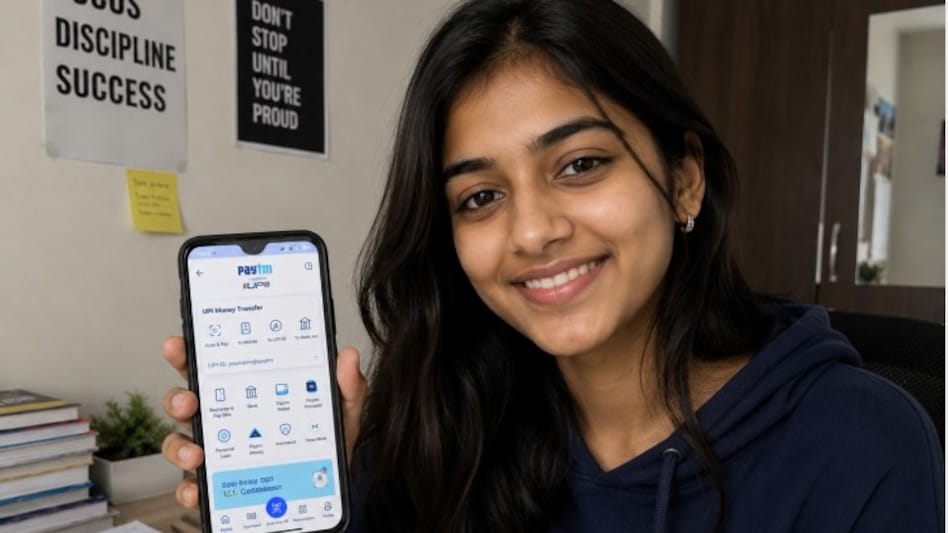
 Instead of a separate bank account, Pocket Money uses UPI Circle, allowing parents to authorise transactions within set spending limits.
Paytm has launched a new feature called Pocket Money, aimed at enabling teenagers to make digital payments through UPI even if they do not have their own bank account. The feature is designed to give young users greater payment independence while ensuring parents remain in control of spending and oversight.
Built on the UPI Circle framework developed by the National Payments Corporation of India (NPCI), Paytm Pocket Money allows a parent or trusted family member to extend UPI access to a teenager through a linked setup within the Paytm app.

 Subhash Chandra booked by CBI in alleged ₹1,322 crore LIC Housing Finance fraud case: Report
 Crude oil could crash to $40 after Iran war ends, says US Treasury Secretary Scott Bessent
 Tata Sons chairman race heats up: T V Narendran, Saurabh Agrawal, NSE's Ashish Chauhan in contention
 We have been overestimating GDP growth...: Former Chief Statistician Pronab Sen
 Festive season revival? Indian airlines' capacity continues to shrink
 Money & Marriage: How Couples Can Divide Household Expenses, Track Spending And Stay On Budget
 Parag Parikh Flexi Cap Fund Underperformance: Is Fund Size Becoming A Major Challenge For Investors?
 Midcap, Smallcap Funds: Strong Profit Growth Could Keep Investor Flows Robust, But Valuations Matter
 Travel Insurance Guide: Where To Buy, How Much Cover You Need & When To Get It
 MINI Countryman C Tech Overview | Tech Gear EP 17 | ASUS Jelly75 Keyboard | Business Today
 Tata Power stock: Choice Broking expects recovery, assigns two price targets
  IPO rush next week: 11 issues eye to raise Rs 7,055 crore; 6 IPOs to open on same day, check details
 600% dividend stock: Check dividend per share, record date, payment date and other key details
 56% rally in TBZ stock: Upper circuit led to record high today; here's why
  Sensex, Nifty snap four sessions of losing streak; RIL, Tata Steel, Bajaj Finance boost sentiment
  India’s drug regulator flags rabies vaccine batch as substandard, raising fake dose fears: ReportMoney & Marriage: How Couples Can Divide Household Expenses, Track Spending And Stay On Budget
 Bihar flood alert: Ganga surpasses highest flood mark in Patna as 10.26 lakh people affected
 PMKVY records just 7% placement rate, highlighting India’s skilling-employment gap
 CJP protest assault case: Court sends influencer Swatantra Bhardwaj to 1-day police custody












