


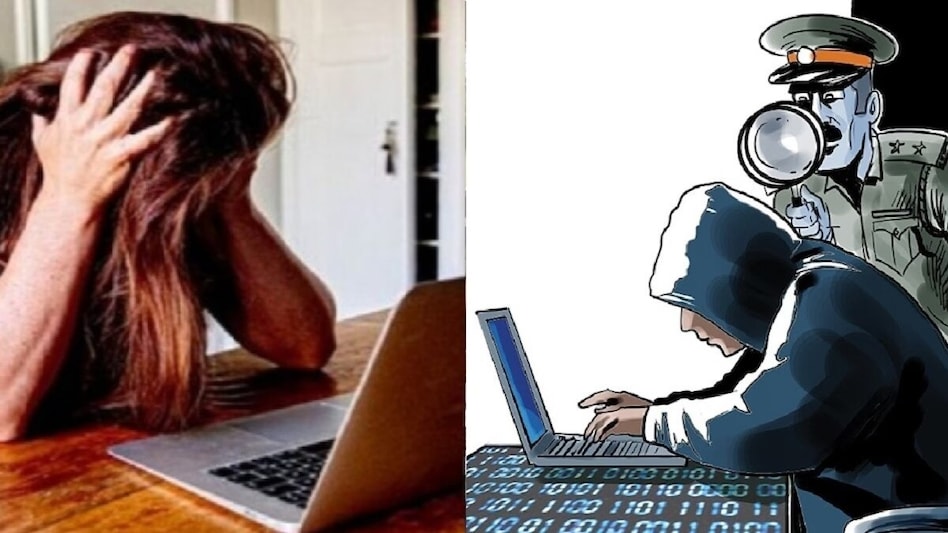
 Under the proposed scheme, for losses below Rs 29,412, customers will receive 85 per cent of the loss as compensation.
The Reserve Bank of India (RBI) has issued draft regulations capping compensation claims for small-value digital banking frauds at Rs 50,000 per incident, with new rules placing the responsibility on banks to prove customer liability. These directions, applicable from 1 July 2026, are aimed at providing clarity and protection for customers, particularly as digital transaction volumes continue to rise. Customers are now entitled to compensation if losses are established as genuine under the bank’s internal policy, provided the incident is reported to both the bank and the National Cyber Crime Helpline (1930) within five days.
A key shift in the draft framework is the explicit requirement that banks must establish customer liability in cases involving fraudulent electronic banking transactions. “The burden of proving customer liability in complaints involving fraudulent electronic banking transactions shall lie on the bank,” the RBI said in the draft regulations. This move is expected to provide stronger safeguards for banking customers.

 SBI Research urges tax clarity on G-Secs, ECB rules to deepen domestic borrowing markets
 Brent hits $110 as Hormuz ship attacks, Houthi strikes on Saudi trigger oil rally
 India invested just $15 billion in AI against $757 billion in US: Why private capital matters
 Unlocking universe's secrets: CERN, Mistral partner on Large Physics Model. What it means?
 Apple HomeView vs Google Nest Hub: Why does Apple’s smart display cost nearly 5 times more?
 Jio IPO: Mukesh Ambani's Big ₹30,213 Crore Bet, Reliance Employees Asked To Invest?
 Flying Cars Are Here? Elon Musk Shows Tesla Roadster Flying Through Air In Stunning Demo
 Ramakrishna P, CEO, India Mobile Congress Talks To Us About India’s Next Digital Frontier
 Market Recovery: Gaurang Shah Picks Banking, Defence, Power And Cement Stocks For Fresh Bets
 Will IDBI Employees Lose Jobs? DIPAM Secretary Arunish Chawla Clears The Air On Pension & Benefit
 Brent hits $110 as Hormuz ship attacks, Houthi strikes on Saudi trigger oil rally
 CCL Products shares fall 9% on Q2 results; brokerages see up to 30% upside
 PNB Q2 earnings: Net profit rises 13%, asset quality improves
  BT Explainer: What changes for investors post revision of new Closing Auction System
  PC Jeweller shares hit 52-week high; stock jumps 75% YTD; what analysts say
 Brent crude hits $110 a barrel as West Asia conflict, Russian supply risks fuel rally
 Emirates NBD’s Indian branches to merge with RBL Bank from December 1Brent hits $110 as Hormuz ship attacks, Houthi strikes on Saudi trigger oil rally
 ₹78 lakh on his wrist! Ranbir Kapoor's Ramayana watch hides a special connection
 One car, two identities: Fiat unveils SUV that can turn into a pickup truck












