















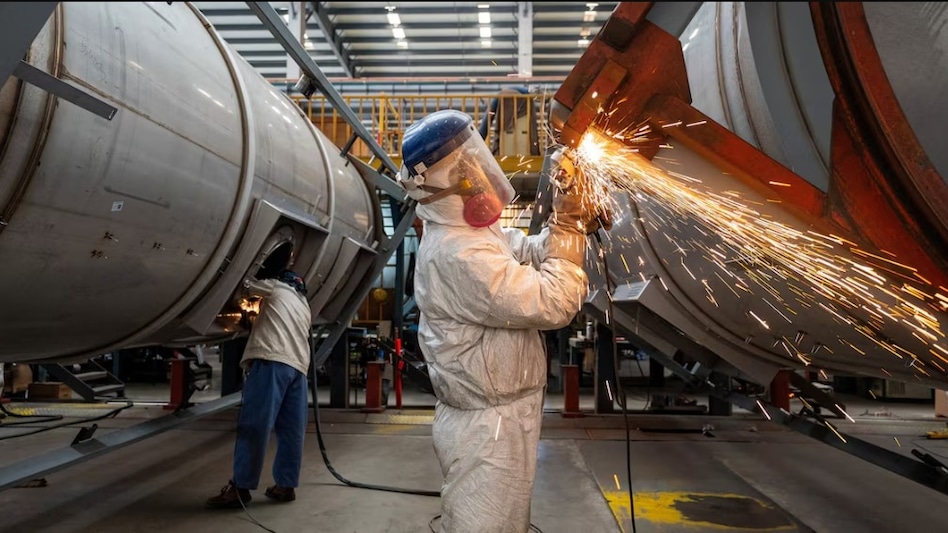
 Common causes include machinery-related accidents, slips and falls, and construction-linked risks.
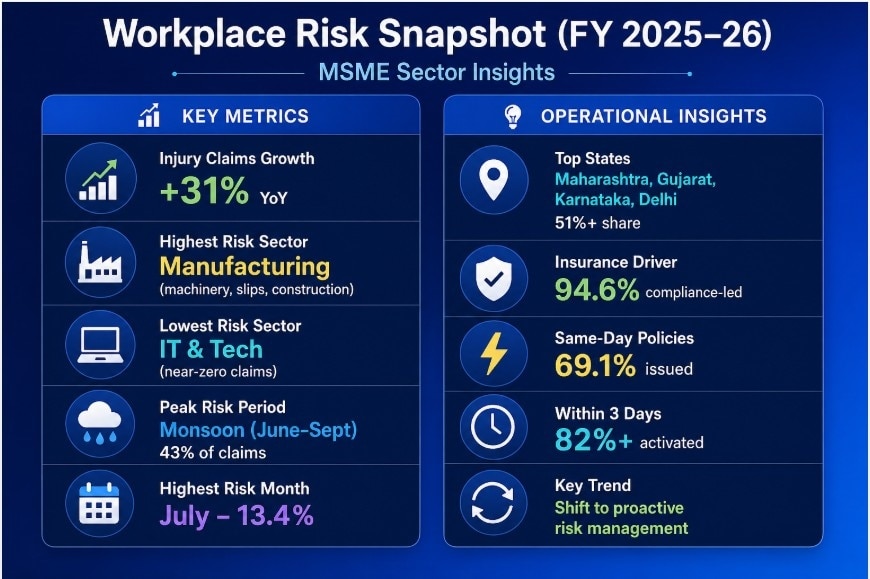
Workplace injury claims in India’s MSME sector have surged 31% year-on-year in FY 2025–26, with the manufacturing sector emerging as the most affected, according to the BimaKavach Workplace Risk Report 2026, released a day before Labour Day on May 1. The findings highlight a combination of rising industrial activity, improved reporting standards, and wider insurance coverage as key drivers behind the spike.
The report, based on insights from over 6,000 MSMEs across multiple sectors, indicates that factory and manufacturing environments account for the highest frequency of claims. Common causes include machinery-related accidents, slips and falls, and construction-linked risks. In contrast, the IT and technology sector reported near-zero claims despite having a strong base of insured entities, reflecting the relatively low-risk nature of desk-based operations.

 ‘An Indian consumes 1/10th of an average American’: Amb Kwatra says energy security comes first
 Tata stock to buy: Nuvama bets on unique tech-telecom play, sees 28% upside
  IndiGo shares in focus as baggage, infant fee, priority boarding charges likely raised
 El Nino impact? India headed for driest monsoon since 2009, food inflation fears rise: Report
 LPG, CNG, PNG prices today (September 18): Check latest rates in Delhi, Mumbai, Kolkata, other cities
 Corporate Health Insurance Vs Retail Policy: Why You Need Personal Health Cover Too
 How India Changed In 12 Years: PM Modi’s Journey From Economic Reforms To Viksit Bharat
 Modi @76: From Twitter To Instagram, How His Digital Outreach Has Evolved
 Stock Picks To Watch: Shibani Kurian Reveals Kotak AMC’s Market Bets
 Gold ETF vs Physical Gold: Know the Tax Rules, Charges and Key Differences
 OnEMI Technology shares in focus as board clears fund raising via preferential route
  Adani Power, Adani Green, Adani Ports, Adani Energy: Jefferies shares target prices
 Kotak Bank, Auro Pharma, GE Vernova T&D: Top stocks to trade — Key levels, target price & stop loss
 NSE IPO attracts nearly 12 lakh applications on Day 1 of bidding; key details
 Adani Green Energy: Jefferies expects 69% upside amid short-term correctionOnEMI Technology shares in focus as board clears fund raising via preferential route Adani Power, Adani Green, Adani Ports, Adani Energy: Jefferies shares target pricesKotak Bank, Auro Pharma, GE Vernova T&D: Top stocks to trade — Key levels, target price & stop lossNSE IPO attracts nearly 12 lakh applications on Day 1 of bidding; key detailsAdani Green Energy: Jefferies expects 69% upside amid short-term correction


