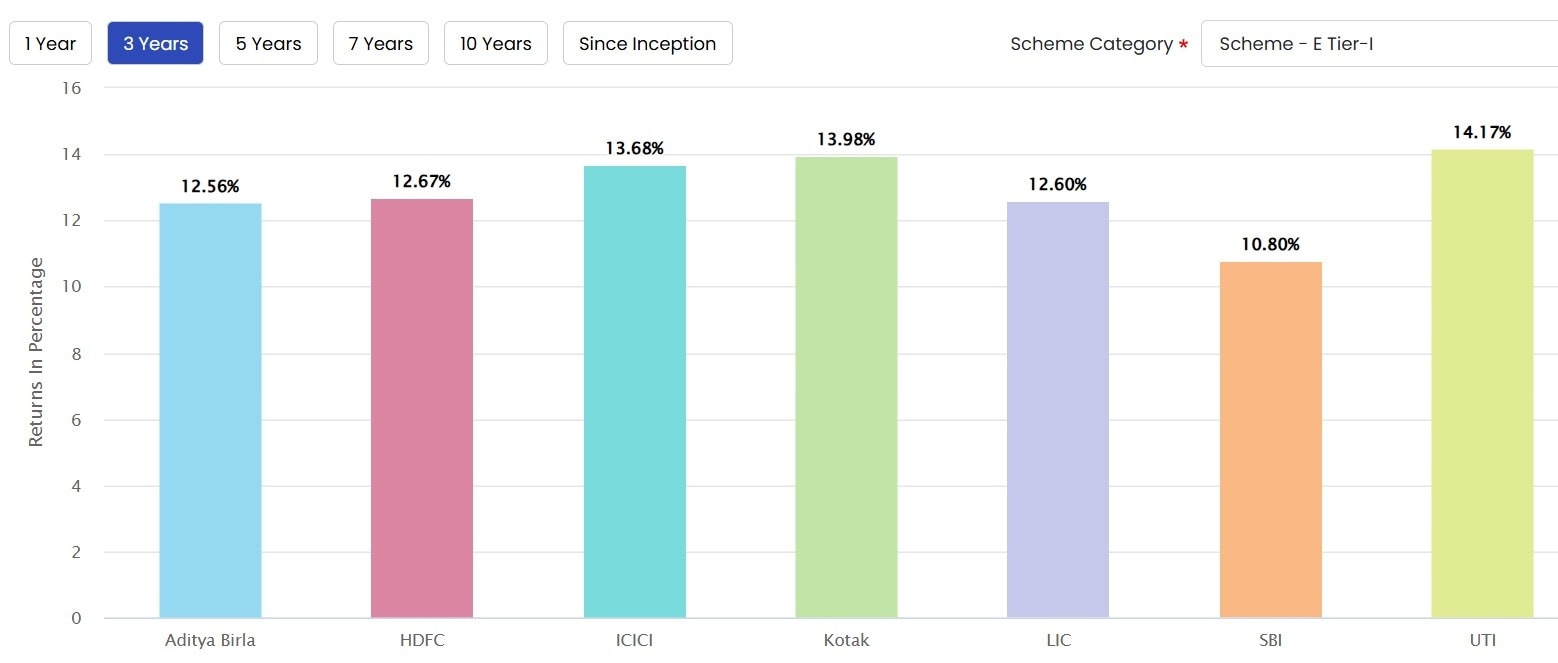
 The growth of assets under management (AUM) in the National Pension System (NPS) has slowed down to 20.3% year-on-year, reaching Rs 13.83 lakh crore as of March 1.
NPS returns: The stock market has been in the negative territory in recent months. Since September 27, 2024, both the Sensex and Nifty have experienced declines of more than 17% and 18%, respectively. This has resulted in many investors witnessing a reduction in their equity returns, with some experiencing negative returns.
According to the latest data from the Pension Fund Regulatory and Development Authority (PFRDA), the growth of assets under management (AUM) in the National Pension System (NPS) has slowed down to 20.3% year-on-year, reaching Rs 13.83 lakh crore as of March 1. This decrease in growth is attributed to the decline in equity benchmarks in the latter part of February, which has impacted overall market-linked returns. Of the total AUM of nearly Rs 14 lakh crore, around Rs 3 lakh crore has been invested in equity schemes.

 Russian oil & gas purchase: Trump signs Bill into Act targeting 100% tariffs on India, China
 Panic button: California governor issue order for mandatory kill switch on advanced rogue AI
 Countries with the highest take-home pay: Switzerland tops global ranking, Check full list here
 5 best alternative foldable phones to iPhone Duo: Samsung, Motorola, Google and more
 Canada visa processing: Indians get faster visitor visas, Super Visa wait hits 70 days
 “Unacceptable And Unprofessional”: MEA Rejects Pakistan’s Claims Over INS Kolkata Collision
  Commodity Trading For Beginners: How MCX & NCDEX Work | Trading Basics | Money Today
 US Fed Rate Hikes A Headwind For Foreign Flows? | Jibi Jacob | Jefferies
 ₹25 Billion FII Outflow: What Could Bring Foreign Investors Back? | Jefferies' Jibi Jacob
 India’s Private CapEx Picks Up: Christopher Wood On The Market Outlook
 Jindal Supreme, SS Retail, Hero Motors IPOs subscribed up to 181 times on final day; details here
 Sensex, Nifty post sixth weekly loss; TCS, Titan among top laggards, slip up to 4%
 How AI collapse could benefit Indian equity market; Jefferies' Christopher Wood explains
  Banks are no more secular growth story, prefer NBFCs: Chris Wood
 Jefferies' Christopher Wood sees gold at $10,000 'sooner or later'; likes India's small, midcaps
 Petrol, diesel prices today, September 19: Check latest rates in Delhi, Mumbai, Chennai, Kolkata & more
 Quote of the Day by Steve Jobs: 'For you to sleep well at night, the aesthetic, the quality, has to be carried all the way through'
 New Mahindra Thar facelift teased: Expected lights, cabin upgrades and the price question buyers should watch
 Trump’s announces Greenland deal with Denmark: What it means for US military presenceRussian oil & gas purchase: Trump signs Bill into Act targeting 100% tariffs on India, China