


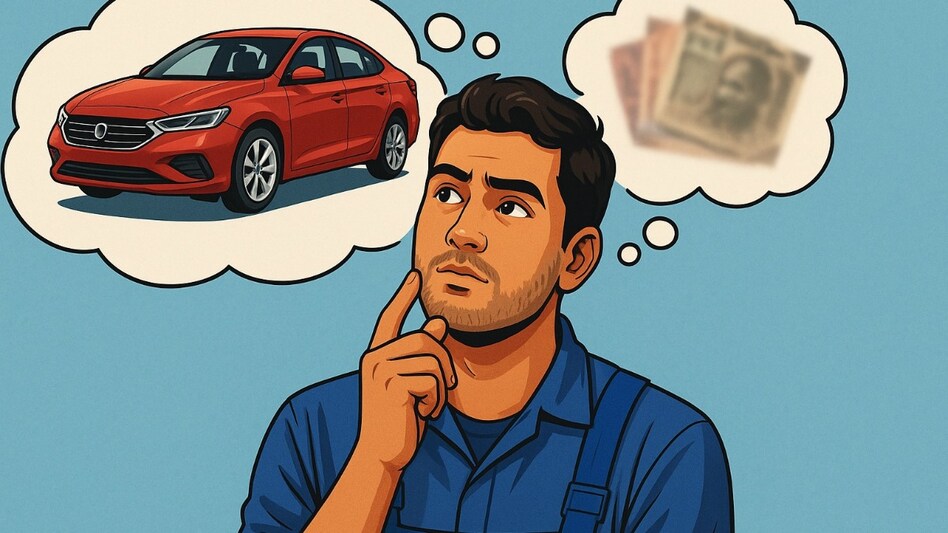
 Sometimes, an EMI isn’t buying convenience — it’s renting status at a premium.
Buying a car often feels like a milestone — a sign you’ve “made it.” But what if that milestone is secretly draining your wallet? CA Abhishek Walia’s client proudly purchased his first car for Rs 12.8 lakh, paying Rs 2.5 lakh upfront and Rs 21,300 in monthly EMIs. The catch? He barely drove it — mostly on weekends. When they crunched the numbers, the cost per drive was a staggering Rs 3,300, compared to about Rs 90,000 a year for using Uber or Zoomcar. The lesson? Sometimes, an EMI isn’t buying convenience — it’s renting status. And knowing which one you’re doing matters.
Walia, in a post on LinkedIn, recently shared the story about a new client who proudly told him, “I bought my first car last year.”

 SIR voter list: ECI extends claims deadline for Delhi, Maharashtra; check new dates
 US-China trade deal: China to buy 10 million tonnes of US coal in 2027, 2028; tariff relief for $30 billion goods
 Chandrababu Naidu on SIR row: Electoral decisions must follow institutional protocols
 NSE empanels Augmont as key partner to promote Electronic Gold Receipts
 Historic! Home loans in India are now cheaper than the US -- What NRIs must know
 R Veeramani Case: Granite Tycoon Faces Widening POCSO Probe In Chennai
 Gen Z And Money: Why Young Investors Want Quick Returns Over Long-Term Wealth Creation
 How Is Alexa+ Different? Will It have Ads Even If You Pay? Exclusive Chat
 Demand Robust Across Segments | Production To Ramp Up, Exports To Expand: Vivek Srivatsa
 GST Council To Meet On October 7: Invoice Matching, ITC & UPI MDR Tax In Focus
 IPO rush: Four IPOs conclude today; check subscription status, other details of issues still open
 Meesho shares slip 7% as Nomura assigns 'reduce' call; here's what the brokerage says
  Sensex, Nifty extend losing streak to seventh week, longest since 2020: What's next?
 Suzlon in bear grip: Oversold signals emerge near 52-week low for the stock
  EIL shares jump 7% to hit record high; stock up nearly 62% in six months: What's driving the rise?
 'Biggest El Niño ever recorded': Economist Sanjeev Sanyal highlights record-breaking Pacific heat
  UNESCO heritage sites rise to 991 as cultural tourism surges 9.6% growth across global destinations
 Financial Horoscope Today, September 27, 2026: Cancer Signs Will See an Increase in Status and Position, Know the Fate of Other Signs
 Planning to study in UK? 5 things Indian students must check before applying for student visa
 El Niño's weather paradox: How one climate event causes floods and droughts












