


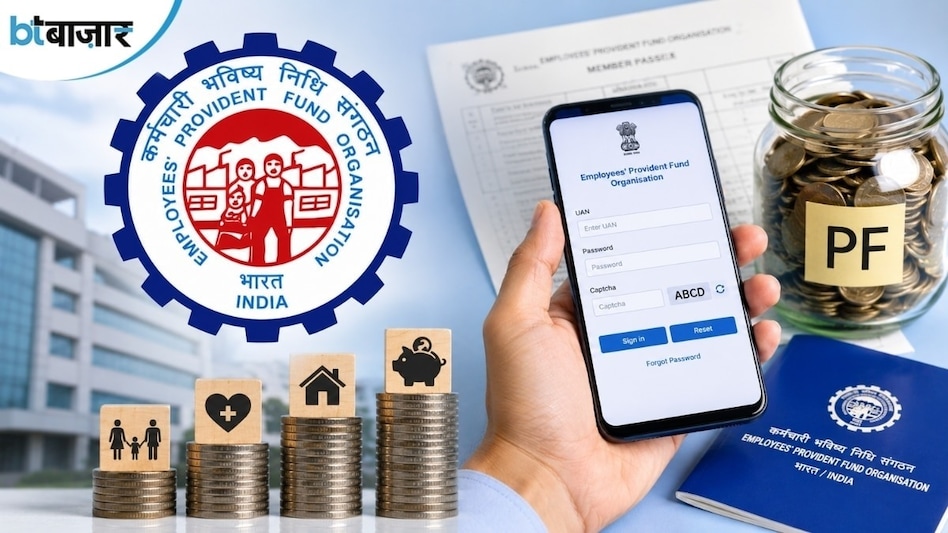
 The new scheme makes a clear distinction between compulsory and additional PF contributions.
The Employees' Provident Fund Organisation has overhauled the rules governing nearly eight crore active members, and one of the most significant clarifications is this: the 12% PF contribution is compulsory only up to the statutory wage ceiling of Rs 15,000 a month. Anything above that is now treated as voluntary.
So now even for an employee earning a basic salary of Rs 1 lakh a month, they will still be required to contribute only Rs 1,800 towards provident fund under the Employees’ Provident Funds Scheme, 2026.
FAQs
Is the 12% EPF contribution compulsory on full salary under EPF Scheme 2026?
No. Under the EPF Scheme 2026, the 12% provident fund contribution is compulsory only up to the statutory wage ceiling of Rs 15,000 a month. Any contribution on wages above this limit is voluntary.
How much EPF must an employee earning Rs 1 lakh basic salary contribute?
Even if an employee earns a basic salary of Rs 1 lakh a month, the mandatory EPF contribution remains Rs 1,800, which is 12% of Rs 15,000. Any extra contribution beyond this amount will be treated as voluntary.
Can employees and employers contribute more than the mandatory EPF amount?
Yes. Employees can choose to contribute more towards EPF on wages above the statutory ceiling. Employers may also match this additional amount, but they are not legally required to do so. These extra contributions can be reduced or stopped later.
What has changed in EPF withdrawal rules under the new scheme?
The number of advance withdrawal categories has been reduced from 13 to three: essential needs, housing needs and special circumstances. Members can withdraw up to 100% of their eligible balance, but at least 25% of total contributions must remain in the account.
Will existing EPFO members continue under the new EPF Scheme 2026?
Yes. Existing members who were covered under the earlier scheme will continue as EPFO members under the 2026 framework. This ensures continuity of coverage and prevents disruption for current subscribers.

 JSW Infrastructure shares hit record high; stock up over 50% in six months
 GRSE shares rise 4% as board approves Rs 2,896 crore for shipyard expansion
 OpenAI warns of autonomous AI risks, calls for global rules before AI starts improving itself
 Most expensive residential unit: All about Dinesh Thakkar who bought ₹711 crore Juhu tower
 Meesho shares: Fresh price target signals 24% upside as UBS raises growth estimates
  What’s Hot: Stocks, Gold & Big Money Moves | Daily Markets Show | September 22 | Business Today
 IT Stocks: Is The Worst Over? Kshitiz Mahajan Shares His Market View
 Varmora Granito IPO: Management On ₹245 Crore Debt Reduction & Growth Plans
 Tier-2 Cities Drive India’s Next Realty Boom | ₹1.7 Tn Opportunity Explained
 Delhi SIR: 47.5 Lakh Names Off Draft Roll, 33 Lakh Voters Flagged For Discrepancies
 Engineers India shares: EIL jumps 6% on Kenya greenfield refinery plant
 Optiemus Infracom shares hit 20% upper circuit limit on Nothing JV; here's why
 Protean eGov shares extend gains; here's what analysts say
 ITC Hotels shares: Jefferies sees 32% upside; stock down 19% in 2026 so far GRSE shares rise 4% as board approves Rs 2,896 crore for shipyard expansionWhat’s Hot: Stocks, Gold & Big Money Moves | Daily Markets Show | September 22 | Business Today
 Abakkus Mutual Fund gets SEBI nod for SIF platform ‘Fokkus’; plans equity, debt and hybrid strategies
 Nvidia CEO Jensen Huang says there is a “0% chance AI will end the world by 2030”Engineers India shares: EIL jumps 6% on Kenya greenfield refinery plantIT Stocks: Is The Worst Over? Kshitiz Mahajan Shares His Market View












