
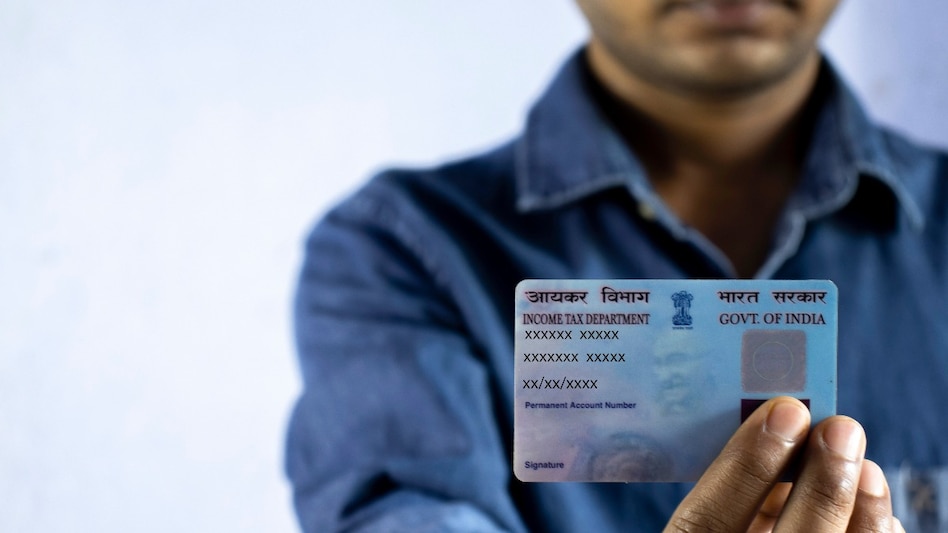
 The scammers deceive recipients by sending deceptive alerts, warning that not updating PAN details will lead to the customer's IPPB account being blocked within 24 hours.
PAN card scam: Many customers of India Post Payments Bank (IPPB) are being targeted by a phishing scam. They are receiving messages instructing them to update their PAN card details or risk having their bank accounts blocked. These messages contain a suspicious link that leads customers to scammers.
The Fact Check team of the government's Press Information Bureau (PIB) has verified that these messages are fraudulent. India Post has not and will not send such messages. It is advised that the public avoid clicking on any links or sharing personal information.

 BT BIG STORY: 'Ratan Tata never wanted to list Tata Sons'
 'Jio's own satellites await clearances': RIL issues rebuttal to Musk's Starlink India claims
 Additional 4% public float in IDBI Bank to be available for retail investors once LIC pares stake
 'Could cripple US tech for over a generation': Microsoft president on Green Card restrictions
 ‘Whole thing is a shame’: Trump says he is talking to China, Russia about denuclearisation
 Sennheiser Momentum 5 Review: Best Premium Headphones Under ₹40,000?
 Jio Platforms IPO: ₹30,000 Crore Issue Opens October 21, Valuation At ₹10.3 Lakh Crore
 Weekend OTT Releases: The Diplomat 4, Aasha, Sacrifice And More
 How Jio Transformed India From Data Scarce to Data Abundant! | Akash Ambani | Jio Platforms IPO
 Akash Ambani Decodes Jio's Financial Muscle | Reveals The 5 Key Business Drivers | Jio Platforms IPO

 YES Bank's AT1 bonds writeoff: Rs 11,000-crore hit for shareholders, Kotak says lender may need to raise capital
 Cyient DLM shares crash 19% after Q2 miss, guidance; JPMorgan, Antique, MOFSL targets
 Jio Platforms IPO enters crypto markets as Bitget launches pre-IPO futures for valuation bets
 YES Bank shares fall 3% as CET1 ratio may fall 250 bps; Morgan Stanley, Citi targets
 Wipro shares in focus as IT major announces stake buy in AI firm a day after Q2 earnings
 Gold, silver prices on October 16: Check latest rates in Delhi, Mumbai, Kolkata, other cities
 Petrol export duty hiked 5x, diesel export levy slashed from todayYES Bank's AT1 bonds writeoff: Rs 11,000-crore hit for shareholders, Kotak says lender may need to raise capital
 Fake Chrome app tricks 100,000 Play Store users before Google removes it: How to verify an app before installingCyient DLM shares crash 19% after Q2 miss, guidance; JPMorgan, Antique, MOFSL targets