


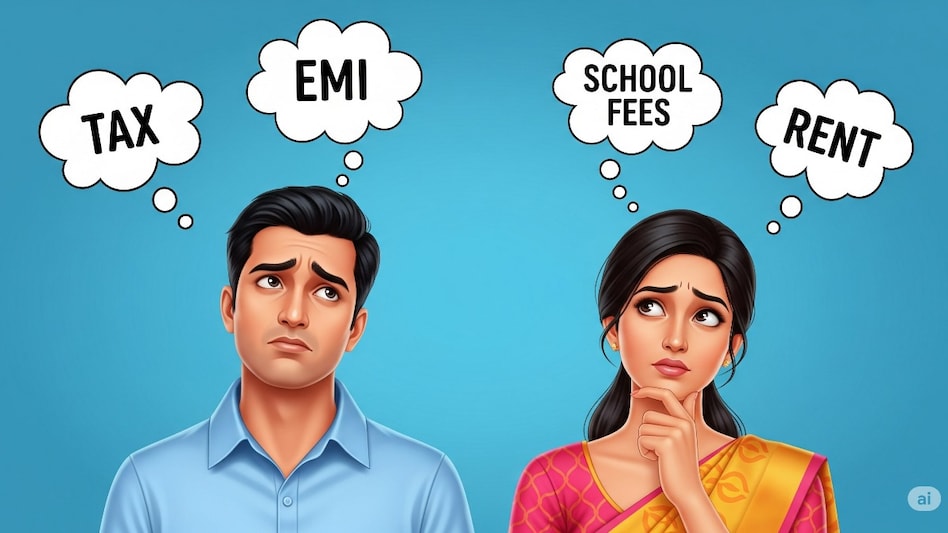
 Over 57% of middle-class income is now spent on raising just one child.
Raising a child in urban India now costs more than a house. And for middle-class families, it’s no longer just about love or legacy—it’s a financial decision that could determine whether you ever own a home, retire on time, or stay afloat.
“In 1995, you could raise a child and buy a house. In 2025, you can do only one. Choose wisely,” wrote angel investor Abhishek K in a viral LinkedIn post that has touched a nerve with India’s overstretched middle class.

 BT Big Story: Why India Inc is warming up to non-English-speaking executives
  G20 Summit: PM Modi expected to travel to US; bilateral with Trump likely on the cards, say sources
 Tata Sons IPO battle: Why Shapoor Mistry has so much at stake
 India could raise ₹2 lakh crore through IPOs; 55% of FY27 proceeds already fresh capital: SEBI Chairman
 India emerges as key diesel supplier to Turkey amid Russia, Middle East disruptions
 India’s CDMO Opportunity: Anshul Saigal Spots Underappreciated Names
 IT Stocks Under Pressure: What Next For Indian Markets? | Chakri Lokapriya
 Karnataka’s Welfare Schemes Under Pressure As Finance Department Flags New Challenges
 Family Disputes Can Hold Businesses Back: Nirmala Sitharaman’s Message To Family Firms
 TRAI New Rules: Voice-SMS Only Plans Mandatory | What It Means For 20 Crore Non-Data Users
 Corporate bonds hit ₹61 lakh crore: SEBI pushes for deeper and more liquid debt markets
 Peshwa Wheat to raise ₹53.52 crore through IPO; funds to go towards expansionIndia could raise ₹2 lakh crore through IPOs; 55% of FY27 proceeds already fresh capital: SEBI Chairman
 Balmer Lawrie to demerge Travel & Vacations unit into wholly-owned subsidiary: Report
 Sansera Engineering shares rise 7%; Goldman Sachs raises target; sees further upside
 Quote of the Day by Nikhil Kamath: '9 out of 10 times, when things don't go your way, doing nothing is the best'
 Google offers free AI Plus and AI Pro to university students: Here’s how to claim itG20 Summit: PM Modi expected to travel to US; bilateral with Trump likely on the cards, say sourcesTata Sons IPO battle: Why Shapoor Mistry has so much at stakeIndia’s CDMO Opportunity: Anshul Saigal Spots Underappreciated Names












