


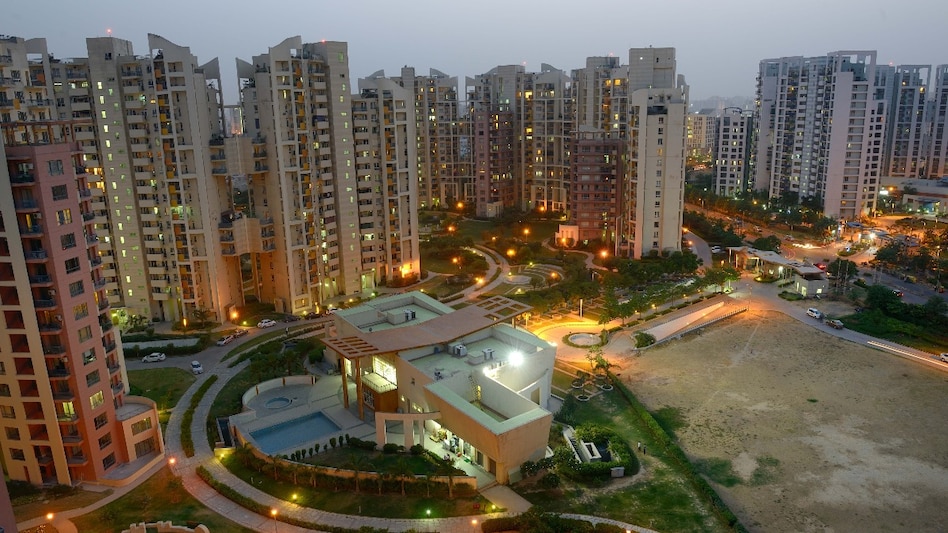
 One of the biggest reasons behind the shift towards Gurugram is the changing workplace geography of Delhi-NCR.
Delhi has long been the preferred address for homebuyers looking for connectivity, stability and a well-established lifestyle. But a quiet shift is taking place across the NCR. More professionals, especially younger buyers, are choosing Gurugram over Delhi — not just because of new housing projects, but because their workplaces, lifestyle preferences and space requirements are changing.
From shorter commutes to larger homes at relatively better prices, Gurugram is increasingly becoming the first choice for many Delhi residents. But does this mean Delhi’s real estate market is losing its appeal?

 UPI MDR of 0.4% on transactions above ₹2,000 from October 15: What you need to know
 Apple under pressure in India over iOS 18 screen damage and warranty claims: All details
 'Sher aaya, sher aaya': Ex-HCL CEO says AI doomsday warnings are hype, won't kill humans
 Amazon Now hits $1-billion run rate as Amazon takes quick commerce deeper into India
 ITC, HDFC Bank, ONGC shares: Greater fool theory at play; explaining investor apathy towards largecaps
 Crude Oil Price Surge: Will Petrol And Diesel Prices Rise In India?
 Market Commentary: Sharad Avasthi On Nifty, Stocks & The Next Big Move
 RBI Files Caveat In Bombay HC Ahead Of Tata Sons Appeal | Tata Group Stocks | Tata Chemical Shares
 NSE IPO Explained: Price Band, Valuation, Growth Potential And Key Risks
 Stock Market Falls As Crude Oil Nears $110 & Weak Rupee | Stock Market News
 CDSL shares slip 4%; brokerage upgrades stock to 'Buy': Check revised target
 Paytm, One Mobikwik shares: How UPI fee fears may affect sentiment in fintech players
  Sensex tumbles 778 points; Nifty briefly slips below 22,900 amid CAS volatility; what's ahead?
 Hindustan Copper, Garware Hi-Tech Films, Vijaya Diagnostic Centre among stocks to turn ex-dividend on September 16
 Solar energy stock gets target price hike, HSBC maintains 'buy; says this
  UPI payments to remain free for P2P transactions; 0.4% MDR applicable only on merchant payments above ₹2,000: GovtUPI MDR of 0.4% on transactions above ₹2,000 from October 15: What you need to know
 UP’s 700-km Shamli–Gorakhpur Expressway moves ahead—but what do four new NHAI tenders actually cover and when can work begin?
 RBI’s ₹1 lakh crore cash drain: Why short-term bonds are taking the biggest hit
 Oracle layoffs hit India: Engineers, senior employees affected as cuts spread globally












