


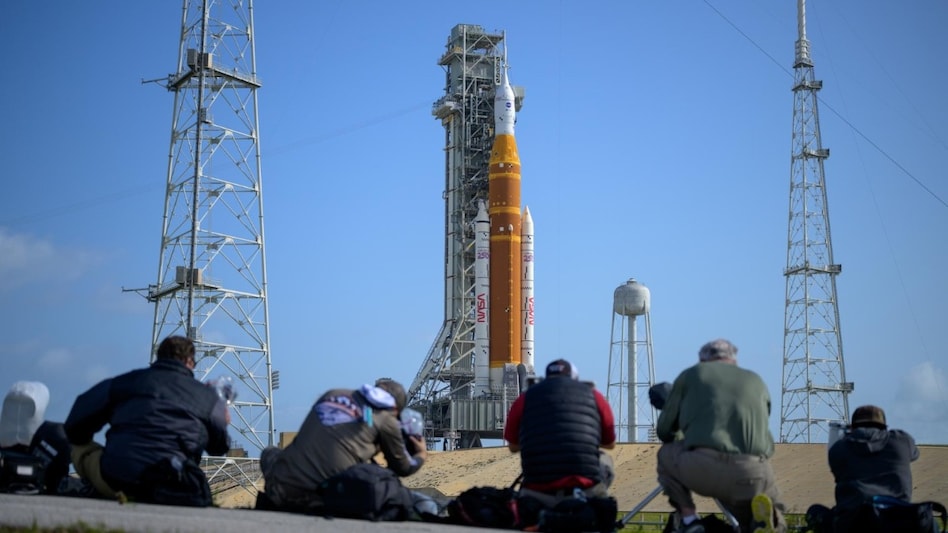
 NASA's Artemis II Launch Mission Countdown Begins
Artemis II Mission | NASA is set to launch its first crewed Artemis mission at 6:24 pm EDT on April 1 from the Kennedy Space Center in Florida, which will be 3:54 am IST on April 2. The launch window is two hours, with backup launch opportunities available through April 6.
Must Read: Artemis II launch on April 1: When and where to watch NASA's moon mission live

 Bangladesh turns to India for wheat as Black Sea disruption pushes up prices
 Morgan Stanley accidentally leaks 100-plus deal pipeline, including India IPOs: Report
 Sebi may ease margin requirements for longer-tenure F&O products
 India boosts LPG production as festive demand rises and Gulf supplies remain uncertain
 No petrol, diesel price hike proposal yet; govt may support OMCs if crude stays high
 India Growth Outlook Gets Major Boost: S&P, Fitch, ADB Raise FY27 Forecasts; OECD Upgrades 2026 View
 A-One Steels IPO Explained: Key Details, Growth Strategy & Future Outlook | Management Live
 Market Commentary: Nifty Outlook, Stocks & Market Strategy | Deven Choksey
 Ignore Large Caps? Why Investors Are Chasing High P/E Mid Cap Stocks Now
 30 IPOs In A Month: Deven Choksey On IPO Flipping And Secondary Market Liquidity
 Sebi may ease margin requirements for longer-tenure F&O products
 RBI to conduct OMO sale of Rs 25,000 crore in government bonds on September 28
 NSE shares: Deven Choksey lists reasons for long-term investment; calls stock 'shock absorber' in volatile markets
 Crude oil prices fall for sixth session; PL Capital explains what could happen next
 Mazagon Dock, GRSE shares: Does short-term bounce signal trend reversal? Analyst decodes
 Graphite, not lithium, may be the battery industry's biggest choke point: Report
 Bengaluru CEO says no male hires from UP, Bihar, Rajasthan, MP; cites alleged employee misconduct
 Financial Horoscope Today, September 24, 2026: Cancer Signs Should Control Expenses, Know the Status of Other Signs
 Hormuz shock accelerates the shift to electricity: Why countries are turning to electrification for energy security
 Kenny the parrot’s Cybertruck covered in his own face sparks hilarious internet reactions












