


 With this, India has become the third country in the world after the US and China to have a private player capable of handling orbital launches.
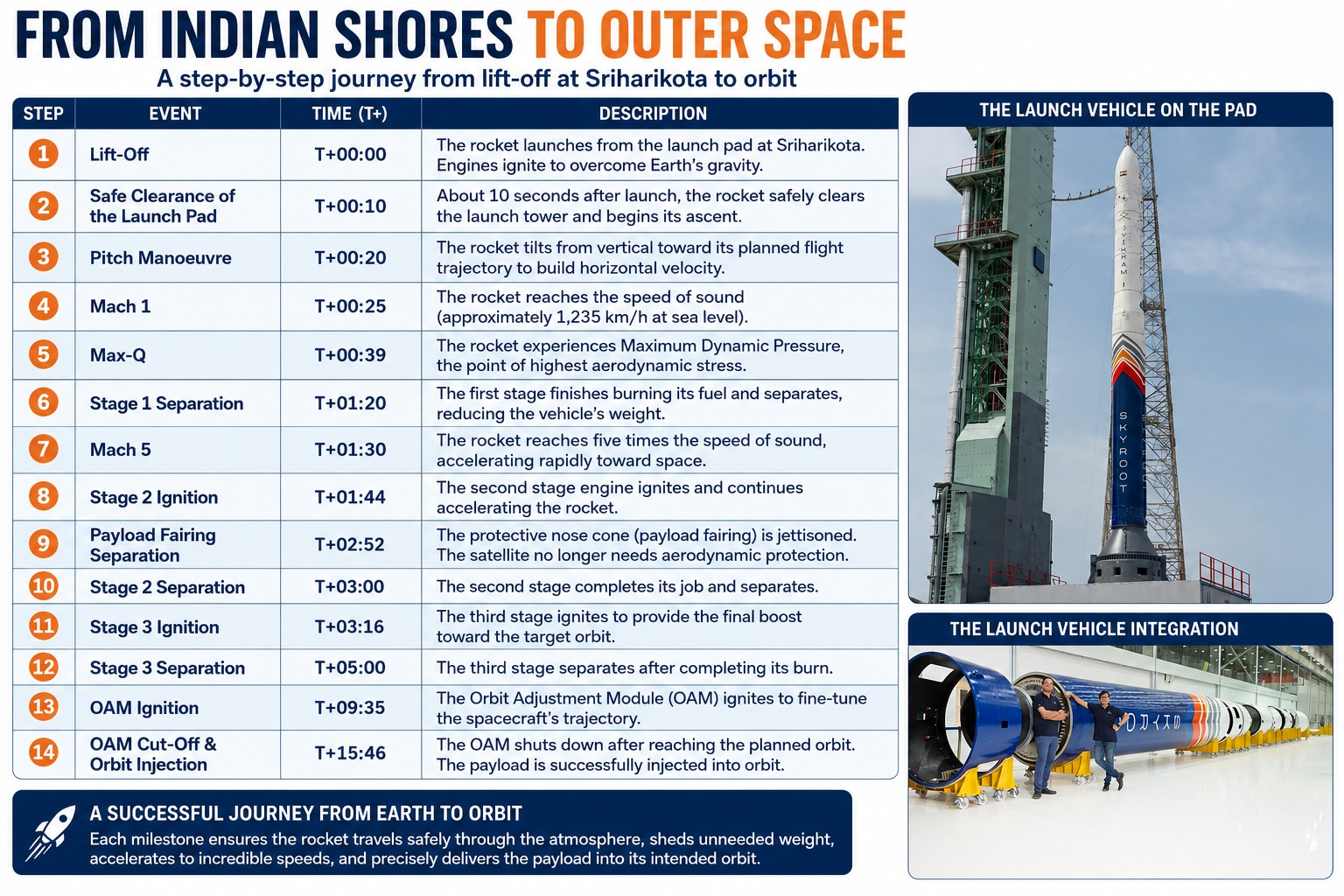
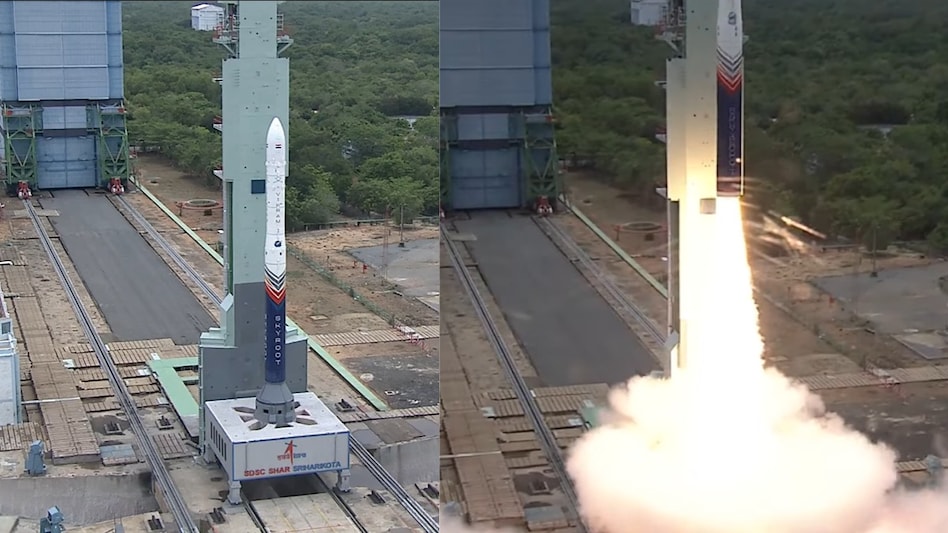
Skyroot Aerospace's Vikram-1's maiden test flight — Mission Aagaman — lifted off on Saturday from Andhra Pradesh's Sriharikota at 12:05 pm and successfully entered space. Vikram-1, India's first private orbital rocket, lifted off from the First Launch Pad at the Satish Dhawan Space Centre.
With this, India has become the third country in the world after the US and China to have a private player capable of handling orbital launches.

 US green card curbs: India slams Vance's 'indentured servants' remark for colonial undertones
 Two years on without Ratan Tata, the war for control rages on in the empire
 Noida airport renamed Narendra Modi Int'l Airport, says UP CM Yogi Adityanath
 ‘US no longer wants us’: Sridhar Vembu asks Indians in America to come back amid PERM suspension
 India's ATF pricing puzzle: Why airlines pay global rates for domestic fuel and why a reset is needed
 Rahul-Priyanka Face FIRs After Delhi Protest Clash | Cop’s Allegations, Congress’s Countercharge
 Nifty's 9-Week Losing Streak: Can It Rebound Above 22,550? Key Levels To Watch
 AI Can Boost Farm Yields By 40%, Says Ashwini Vaishnaw; AI Regulation Paper In A Month
 PC: JD Vance On Visa Fraud As Trump Admin Suspends Microsoft From Green Card Programme
 OTT Releases This Week: Reporting Live, Ishqa Ishqa, Below And More To Binge
 Gold, silver prices today: Can precious metals extend recovery? Sugandha Sachdeva flags key levels
 Fortis Healthcare, Apollo Hospitals, Manipal Health, Max Healthcare shares rise up to 5%; here's why
  Jio Platforms IPO: Offer price estimates for India's likely largest issue; what latest GMP hints at
 Why Adani stocks are falling | Rs 2.7 lakh crore gone in 3 months; explained
 PC Jeweller shares hit 52-week high; stock gains 48% in 3 months: Is more steam left?Gold, silver prices today: Can precious metals extend recovery? Sugandha Sachdeva flags key levelsRahul-Priyanka Face FIRs After Delhi Protest Clash | Cop’s Allegations, Congress’s CounterchargeNifty's 9-Week Losing Streak: Can It Rebound Above 22,550? Key Levels To Watch
 From space to the Pacific: Four astronauts complete a fiery 237-day mission
 Alert for Delhi Metro commuters: 57 stations face shutdown ahead of CJP protest