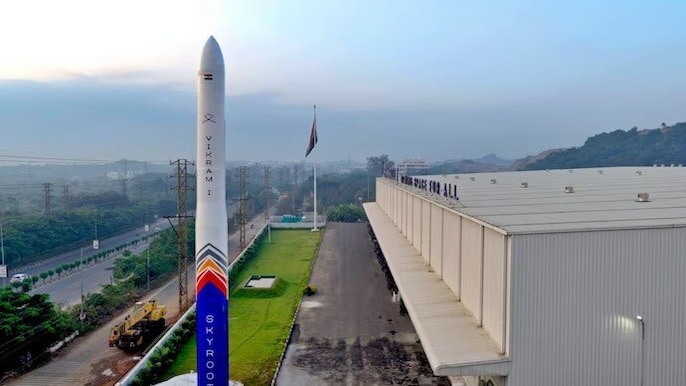
Skyroot Aerospace's Vikram-1 is set to become India's first privately developed orbital rocket to attempt a launch — lifting off from the First Launch Pad at the Satish Dhawan Space Centre, Sriharikota, on July 18 at 11:30 AM.
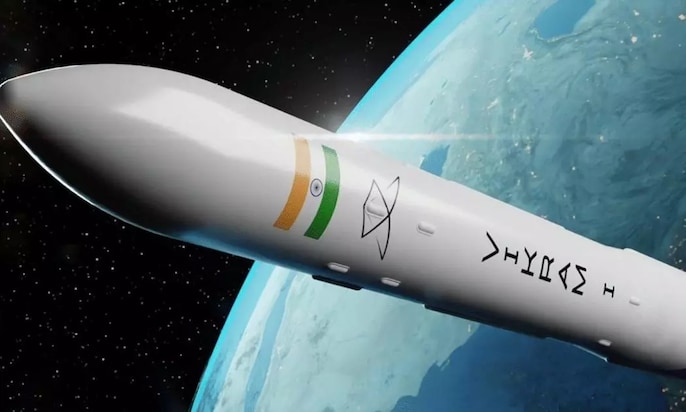
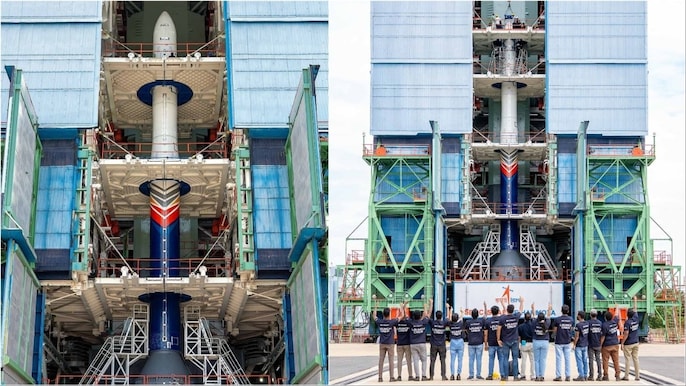
Vikram-1 is a seven-storey, multi-stage launch vehicle designed to carry small satellites weighing up to 350 kg to Low Earth Orbit. Its maiden mission targets an altitude of 450 km at a 60-degree orbital inclination — a significant technical benchmark for India's private space industry.
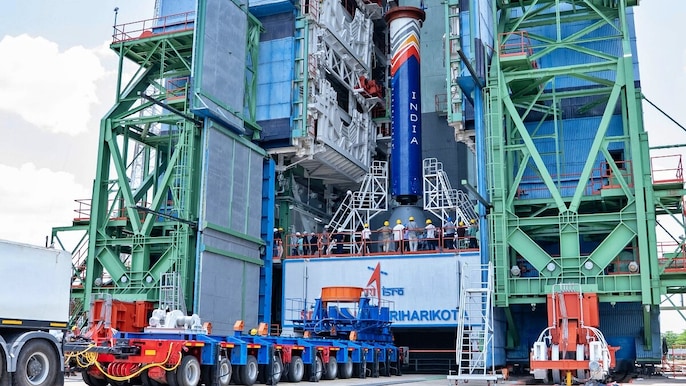
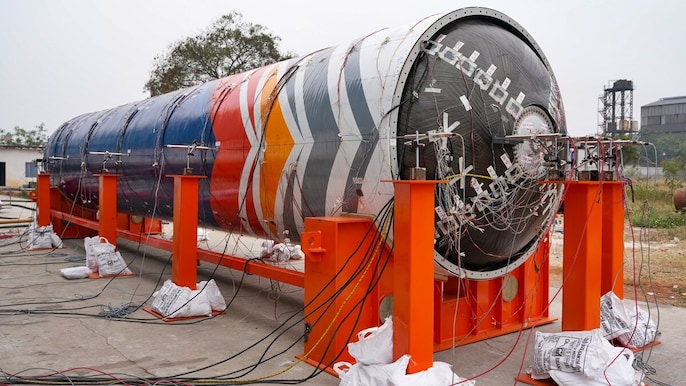
The rocket is built with an all-carbon composite structure and powered by in-house propulsion systems, including 3D-printed engines and high-thrust solid-fuel boosters — all developed and manufactured domestically by Skyroot's team of approximately 1,000 people.
Four technology demonstration payloads will fly on Vikram-1's maiden mission — the Solaras S3 satellite by Bengaluru's Grahaa Space, the Embrace debris-clearing robotic arm by Hyderabad's Cosmoserve Space, the Scope satellite by Skyroot, and an in-orbit demonstration from DCUBED, a German NewSpace hardware manufacturer.
Alongside the payloads, Vikram-1 will carry microscopic 18-carat gold rocket-holding sculptures of Sir C.V. Raman, Dr. Vikram Sarabhai and Dr. A.P.J. Abdul Kalam — each smaller than a grain of rice — and Cosmos Diamonds' artwork titled Cosmic Bloom.
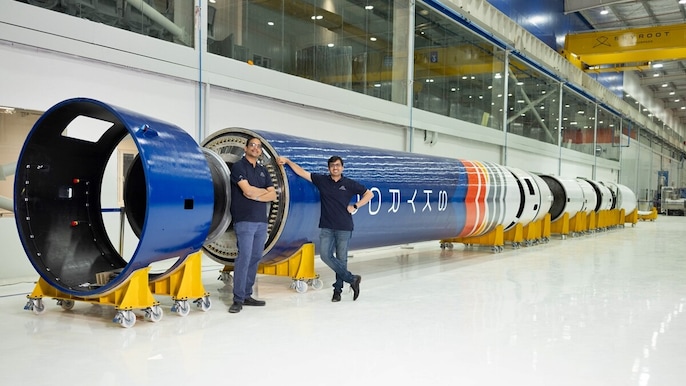
"The launch represents the hopes and hard work of around 1,000 people, the contributions of over 400 suppliers, and nearly 3,000 days of resolve to build a global offering from India," said Naga Bharath Daka, co-founder and COO of Skyroot Aerospace.
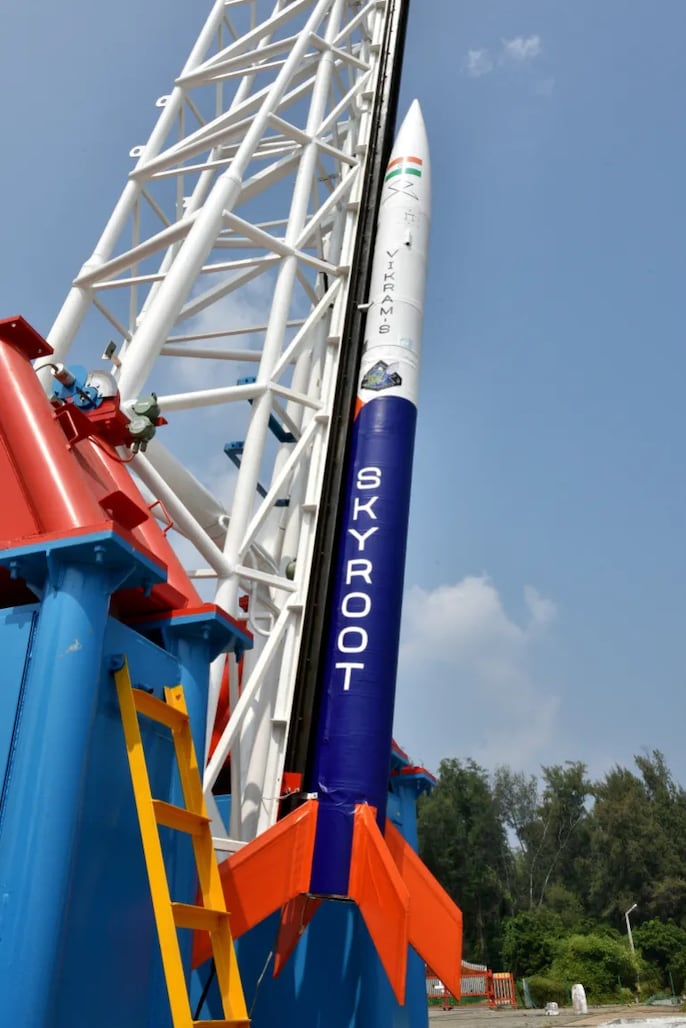
Mission Aagaman is Skyroot's second mission, following the suborbital flight of Vikram-S on November 18, 2022 — the first private rocket to reach space from Indian soil. Vikram-1 now aims to go further, into orbital flight, marking India's next frontier in commercial space.
 This Home Theatre Can Move Around Your House | Sonos Modular Sound System
 Flyadeal Expands In India Enters Mumbai After Hyderabad
 Market Bounces Back After 8 Weeks Of Fall: Is The Worst Over For Investors?
 Airlines Seek Fuel Tax Relief As High Crude Prices Push Up Flight Costs
 Nifty’s Next Move: Recovery Ahead Or More Pain? Piyush Pandey On Dalal Street