


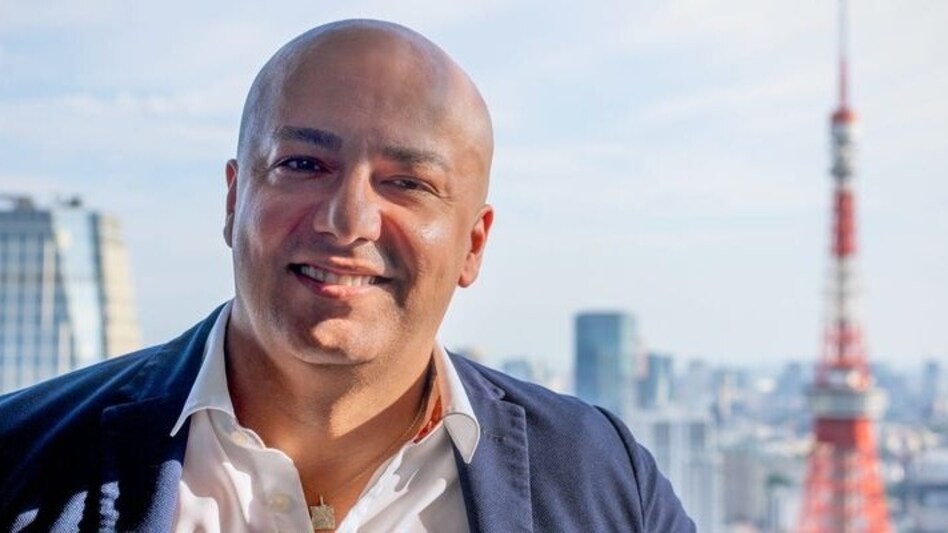
 Despite holding a PhD in AI from the University of Florida, Tarifi doesn’t glamorize the path.
While Silicon Valley is throwing multimillion-dollar offers at AI talent, not everyone is buying into the hype. Jad Tarifi, who built Google’s first generative AI team, says aspiring minds should think twice before chasing a PhD to ride the AI wave.
In a conversation with Business Insider, Tarifi offered a sharp reality check, "AI itself is going to be gone by the time you finish a Ph.D. Even things like applying AI to robotics will be solved by then. So either get into something niche like AI for biology, which is still in its very early stages, or just don't get into anything at all."

 SEBI settles proceedings linked to Hindenburg report against 5 Adani firms for ₹1.51 crore
 'No positive response on 5-day banking': Bank unions to go ahead with 3-day strike
 LIC emerges as biggest bidder in NSE IPO, applies for shares worth Rs 4,500 crore: Report
 NSE IPO listing on September 24: How 5 largest IPOs fared on market debuts
 UPI MDR GST: NPCI says small merchants and 96% of transactions remain unaffected from October 15
 IT Stocks Under Pressure: What Next For Indian Markets? | Chakri Lokapriya
 Karnataka’s Welfare Schemes Under Pressure As Finance Department Flags New Challenges
 Family Disputes Can Hold Businesses Back: Nirmala Sitharaman’s Message To Family Firms
 TRAI New Rules: Voice-SMS Only Plans Mandatory | What It Means For 20 Crore Non-Data Users
 Oil & Gas Capex Boom: Anshul Saigal Names Energy Stock He Owns | Saigal Capital Advisors
 Balmer Lawrie to demerge Travel & Vacations unit into wholly-owned subsidiary: Report
 Sansera Engineering shares rise 7%; Goldman Sachs raises target; sees further upside
 US-Iran talks today? Oil slips to $98 a barrel; will Sensex, Nifty rebound?
  Borosil Renewables shares rise 3% as board approves revised Rs 1,100 crore expansion cost
 L&T, DRL, Vijaya Diagnostic, M&M Financial: Buy, Hold or Sell? Here are target prices
 BHIM app gets MyUPI AI assistant with 24/7 multilingual UPI support: Key features explained
 JSW plugs into India’s electric truck and bus race with Amp StarBalmer Lawrie to demerge Travel & Vacations unit into wholly-owned subsidiary: ReportIT Stocks Under Pressure: What Next For Indian Markets? | Chakri Lokapriya
 Rajkot McDonald’s Rat Video Goes Viral, RMC Fines Outlet ₹3,000 For Hygiene Lapse












