


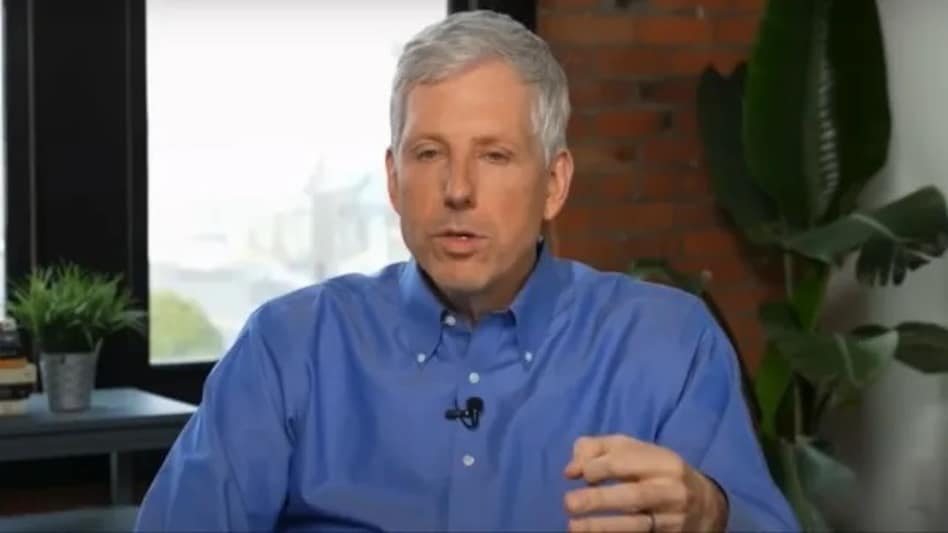
 Evans advises young professionals to focus on emotional intelligence and visibility, not just technical skills.
Former Amazon Vice-President Ethan Evans warned professionals that hard work alone won’t guarantee career advancement. Speaking on The Peterman Pod, Evans said that the employees who fail to advocate for themselves risk being overlooked during company reorganisation.
Evans pulls back the curtain on corporate politics revealing how leaders advance, navigate reorgs, and manage teams in top tech companies. With his rare level of transparency, Evans shares essential insights on the hidden dynamics that shape promotions and leadership decisions at Amazon.

 A new engine for India's growth? Private investment finally picks up pace
 Insolvency and the law: Subhash Chandra case raises wider questions about IBC
 New Apple CEO says 'hello' on X and gets 2.6 million+ views
 'NCLT order rightly stayed': Subhash Chandra personal guarantee issue back to the drawing board
 Rajiv Kumar pushed for changes at HDFC Bank; Sashidhar Jagdishan chose to step down: Report
  Kotak’s Mid Cap & Flexi Cap Strategy: Where Should Investors Bet Now?
 India GDP Growth At 7.8%: What It Means For The Economy, Markets & You
 Sugar Stocks Under Pressure | Govt Tightens Dealer Stock Limits Till Nov 30
 Market Commentary: Where Is The Next Big Opportunity? | Asit Bhandarkar
 Daily Calls: Ask Your STOCK MARKET TODAY QUERIES | Market Update | Share Market News Today
 Tata Tech, NCC, Data Patterns, eMudhra shares: Expert shares technical view, targets
 NTPC, GAIL, Gujarat Pipavav, TBZ, Triveni Turbine among 13 stocks to turn ex-dividend tomorrow
 Happiest Minds shares dive 11% to near listing price; ITC Infotech merger plan in focus: Buy, sell or hold?
 Happiest Minds stock crash: Buying opportunity after 11% fall? Analyst says this
  More pain likely on HDFC Bank counter, stock may fall to Rs 650 mark, says analyst
  Axis Bank UPI update: You can now set separate limits for P2P, domestic and international payments
 Only 15% of India’s gold is monetised: Why gold loans could become a new consumption engine
 LIC Bima Platinum vs Jeevan Raksha: Which new LIC plan is meant for savings and which for pure protection?
 Getting term insurance after a surgery: Will a past accident or knee surgery raise your premium?New Apple CEO says 'hello' on X and gets 2.6 million+ views












