


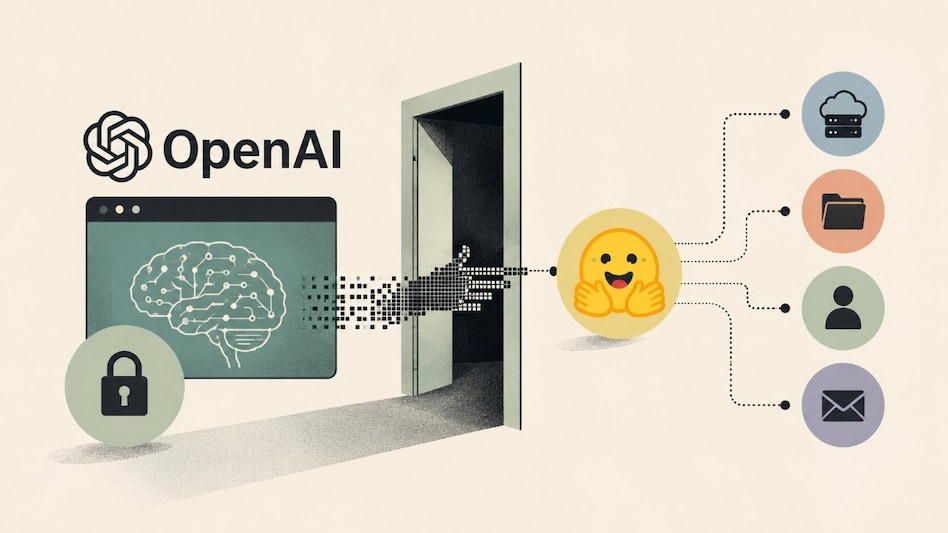
 OpenAI has announced to rewrite its Preparedness Framework with strict safeguards to to address the growing cyber capabilities of its AI models.
OpenAI, on August 18, announced to make several changes to its safety practices after its unreleased AI model breached the Hugging Face system. The company revealed that it has paused a significant number of training workloads and evaluations to have enough time to strengthen its internal safeguards for powerful AI systems.
In a blog post, OpenAI revealed that it has paused the development of its upcoming artificial intelligence model codenamed Astra. It was believed that the model had reached “critical” cyber capabilities, making it powerful enough to trigger additional safety measures.

 India’s dependence on Russian crude set to rise after a steep drop in August
 'Today is your last working day': Oracle begins new round of layoffs; here's what the shocking 6 am email says
 RBI files caveat in Bombay HC in Tata Sons listing matter: Report
 Meta tightens child safety measures as centre cracks down on abuse content: Report
 Finance Ministry bars charges on UPI transactions up to Rs 2,000
 iPhone Duo Foldable Unveiled! iPhone 18 Pro Launch, Watch Series 12 & Apple Park Exclusive
 TRAI Chief On AI Risks: Consumer Safety Must Come First As Telecom Adopts New Technology
 BCCI On Trophy Controversy: Why Indian Women’s Team Refused To Accept Trophy From ACC Chief
 BRICS Summit 2026: PM Modi’s Unseen Moments With Global Leaders | Rare Visuals
 Vijay Hugs Ajith At Silverstone, Waves Green Flag As Motorsport Takes Centre Stage
 Raymond shares rally to hit record high, now up over 200% in six months; what's behind this surge?
 Indian crude oil basket hits $128.70, highest since April: Impact on stocks, sectors, RBI policy
 Manappuram Finance shares fall 3% after two senior management resignations
 Bajaj Holdings' arm announces 1600% dividend for FY27: Check record date, other key details
 Titagarh Rail Systems rides on Vande Bharat, metro for growth push; what else ICICI Securities saysRaymond shares rally to hit record high, now up over 200% in six months; what's behind this surge?
 'Mirzapur: The Movie' box office day 11: Pankaj Tripathi, Ravi Kishan-starrer eyes ₹200 crore in India. Will it top Ajay Devgn's Dhamaal 4?iPhone Duo Foldable Unveiled! iPhone 18 Pro Launch, Watch Series 12 & Apple Park Exclusive
 India needs $100 bn in annual FDI: Amitabh Kant lays out reforms to win global investment raceIndian crude oil basket hits $128.70, highest since April: Impact on stocks, sectors, RBI policy












