















 Anthropic Claude Opus 4.6
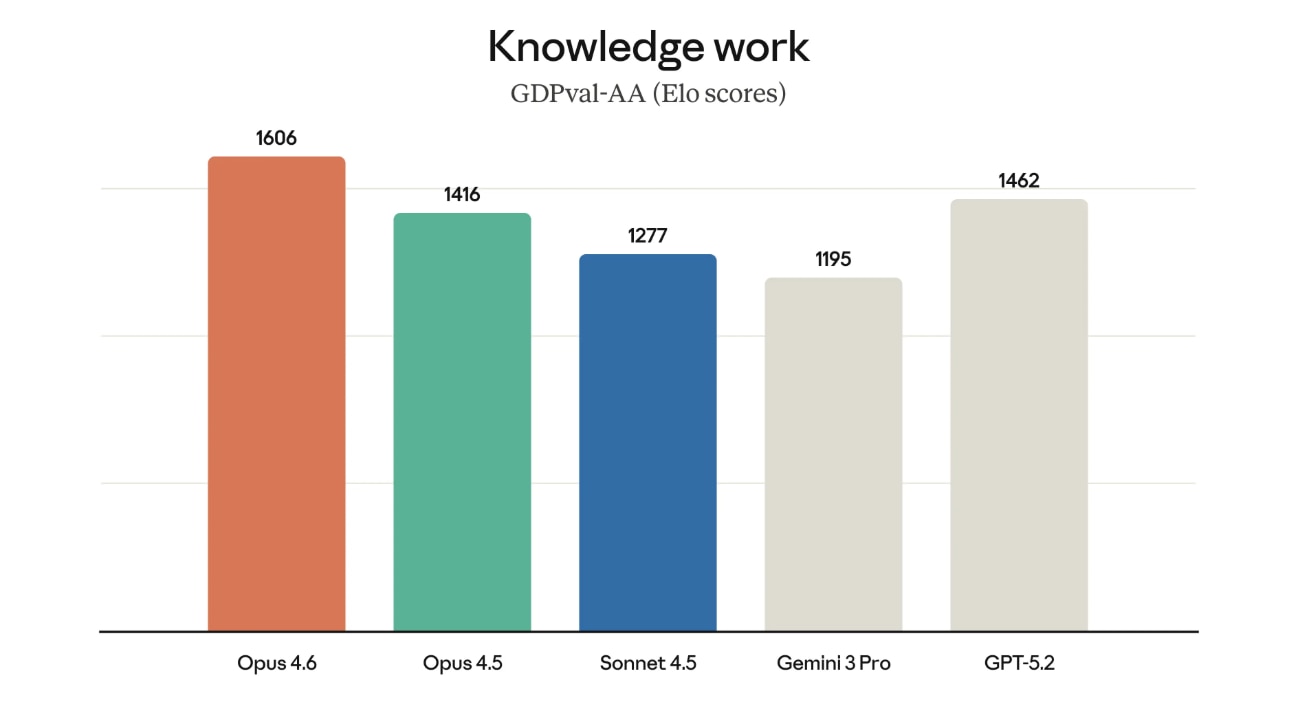
AI startup Anthropic continues to make headlines across the tech industry with a series of launches, from Cowork and AI agents to its latest model, Claude Opus 4.6. Just two months after releasing Opus 4.5, the company has rolled out Opus 4.6, pointing to it as the most advanced model for coding.
Claude Opus 4.6 reportedly outperforms its predecessor in coding skills, and offers improved performance in managing longer or multi-step coding, debugging, and it also claims to reduce errors. It comes with a 1-million-token context window in beta, offering greater reliability.

 Noel Tata evokes founding principles to guide Tata Trusts' new strategic shift
  'Need a balanced system': JD Vance stresses shared values in immigration debate, clarifies H-1B remarks
  From Dior and Celine to Hermès and Apple, major stores looted as violent protests sweep across France
 10 investing mistakes retail investors should avoid, from overpaying to panic selling
 Markets Next Week: Jio Platforms IPO, high crude oil prices and Q2 earnings in focus
 Gold Vs Silver: Which Could Deliver Better Returns Over The Next 3–5 Years? Expert Shares Targets
 Gold, Silver ETF Purchases Halted: Why Mutual Funds Have Restricted Fresh Investments Before Diwali
 SIR Explained: Forms 6, 7 And 8—What Voters Must Know | Akshita Nandagopal Explains
 Gold Investment Options: ETFs, EGR And MCX Explained | How To Invest In Gold Beyond Physical Buying
 Redmi Note 17 Pro Max Review , Vivo V80, Vivo Vision | Tech Gear EP 20 | Business Today
 Markets Next Week: Jio Platforms IPO, high crude oil prices and Q2 earnings in focus10 investing mistakes retail investors should avoid, from overpaying to panic selling
 YES Bank Q2 profit rises 65% to Rs 1,080 cr; proforma impact of restatement of AT-I bonds revealed
 ICICI Bank Q2 results: Net profit jumps 20% to Rs 14,843 crore; NIM contracts
 IDBI Bank Q2 net profit falls 39% to Rs 2,205 crore on year-ago's one-off gain
  Madurai influencer asked for Diwali sweets, Got fake COD orders worth crores instead
  Humans are now training robots by doing household chores in China. The pay can go up to ₹85,000 a monthGold Vs Silver: Which Could Deliver Better Returns Over The Next 3–5 Years? Expert Shares Targets
 Indian Embassy urges nationals in Saudi Arabia to follow emergency safety directives amid Houthi attacksNoel Tata evokes founding principles to guide Tata Trusts' new strategic shift


