









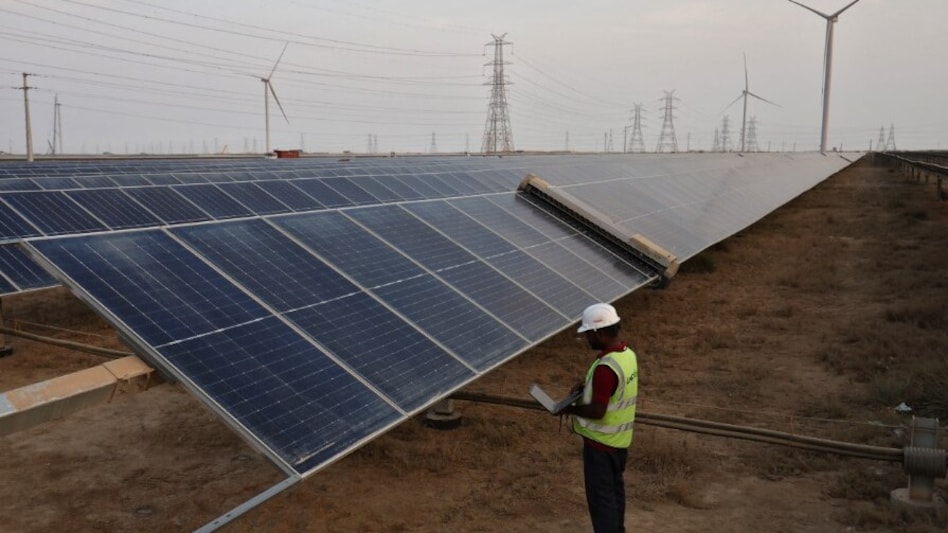
 Globally, the climate tech sector saw a 14% decline in venture and growth investment in 2024 compared to 2023, signalling potential market saturation

 Globally, the climate tech sector saw a 14% decline in venture and growth investment in 2024 compared to 2023, signalling potential market saturation
As the world grapples with the mounting challenges of climate change, the urgency to foster innovative solutions has never been more pronounced. Yet, despite the rhetoric from conglomerates and investors about sustainability, the reality on the ground often falls short of expectations. While Indian startups collectively raised $11.3 billion in 2024, climate tech continues to receive less attention than it deserves.
Globally, the climate tech sector saw a 14% decline in venture and growth investment in 2024 compared to 2023, signalling potential market saturation, according to a report by CTVC, a market intelligence platform on climate economy. This trend highlights the pressing need for India’s startup ecosystem to intensify efforts in this domain.
India’s climate tech landscape
Speaking to Business Today, Vijaylaxmi Patil, Senior Program Manager at NSRCEL, an incubation centre supporting startups, emerging businesses, and women entrepreneurs. “Several startups in India are revolutionizing their respective sectors by introducing innovative solutions that promote sustainability and improve efficiency. NSRCEL has incubated over 80 startups in this space,” she said.
Patil emphasised that public-private partnerships are vital to piloting and scaling climate technologies. India has introduced numerous policies aimed at bolstering the climate tech sector, including the National Solar Mission, FAME Scheme, National Hydrogen Mission, and the Plastic Waste Management Rules. Other initiatives, such as the National Mission for Sustainable Agriculture (NMSA) and carbon markets, provide financial and operational support to startups driving climate innovation.
However, challenges remain. Climate tech startups often have longer gestation periods because they are hardware-intensive and require deep scientific knowledge. They need patient capital and longer-tenure funds to reach the market.
Patil also highlighted the need for streamlining approval processes, establishing dedicated green funds, and fostering collaboration between startups, corporates, and the government.
Path ahead
According to a PwC report, venture and private equity investment in 2023 was $638 billion, a 50.2% decrease from the previous year. This decline in funding impacted climate tech startups, with grant financing and private market equity decreasing by 40.5% during the same period, setting back startup financing to levels seen five years ago.
Abhilash Sethi, Investment Director at Omnivore Capital Management Advisors Pvt Ltd, pointed out that while there is a significant uptick in investment appetite, the sector still requires more success stories and clearer pathways to profitability. “Many climate-smart technologies have long gestation periods, and the availability of funds beyond Series A levels becomes critical for their success,” Sethi noted. He advocated for initiatives such as blended finance models, which combine grants, concessional loans, and equity investments to de-risk projects and attract more capital.
Government programs like PM KUSUM and the Green MSME policy, coupled with increased consumer and corporate awareness, are steps in the right direction. Additionally, global collaborations and commitments, such as those made during COP28, are fostering the adoption of climate technologies, particularly in agriculture and energy security.
The road to a robust ecosystem
Analysts believe that sectors like agritech, healthtech, and climate tech are still in their nascent stages, and a strong recovery in funding is yet to materialise. However, the foundation for growth is being laid, with government and private stakeholders aligning their efforts to nurture these sectors.
On National Startup Day, the spotlight on climate tech startups serves as a reminder of the critical role they play in combating climate change.
For Unparalleled coverage of India's Businesses and Economy – Subscribe to Business Today Magazine
 Can Chinese apps like BAT-BMS remotely disable Your EV? What vehicle owners should know
 EPFO's new 3-day PF claim settlement: Faster withdrawals, higher auto-settlement explained
 'Modi emulated Nehru on...': Tharoor as India balances US ties, Russia friendship amid Iran crisis
 BT Explainer: Why Bank of Baroda paid $600 mn to end a years-long NMC Health dispute
 Cars24 removes job titles, grades, bands: ‘People mistake position for contribution…’
 New NPS Rule: A Smarter Way To Get Monthly Income After Retirement?
 LIVE Daily Calls: Ask Your STOCK MARKET TODAY QUERIES | Market Update LIVE | Share Market News Today
 Nifty Near 24,400! Buy The Rally Or Book Profits? | Arun Kejriwal LIVE
 New EPF Rules 2026 Explained: PF Contribution Above ₹1800 Voluntary | What It Means for You
 LIVE What’s Hot: Stocks, Gold & Big Money Moves | Daily Markets Show | July 03 | Business Today TV
 Sensex, Nifty extend winning streak to 3rd day; investor wealth jumps over Rs 6.1 lakh crore
 L&T, Ashok Leyland and MCX: How to trade these 3 buzzing stocks?
 HCLTechnologies shares extend gains, climb nearly 8%: Two factors behind today's rise
 TCS, Infosys, KPIT Tech, Mphasis, HCL Tech, Wipro: Kotak cuts IT estimates; check targets
  Why Raymond Realty shares jumped over 12% in afternoon trade