

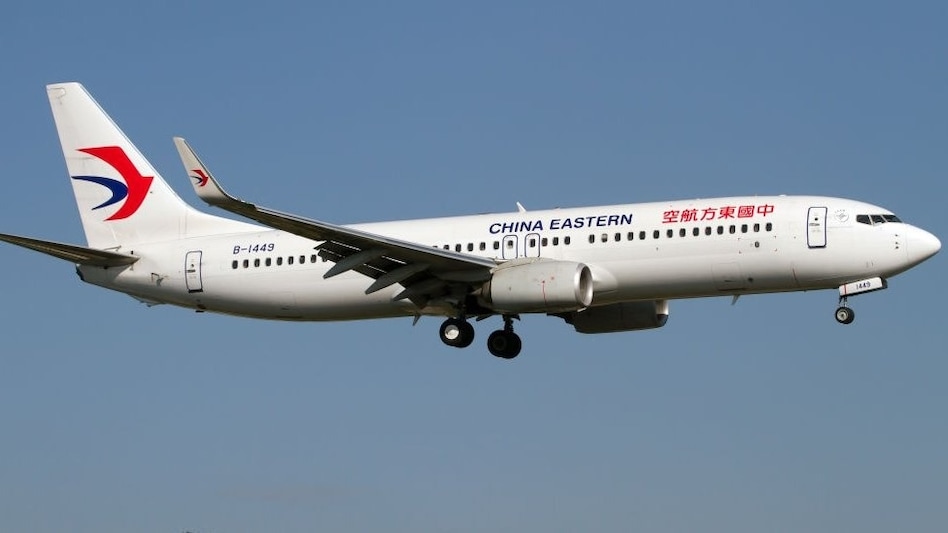
 A report by an US agency into the crash of a China Eastern Airlines Boeing 737 aircraft says the fuel supply to both engines was switched off before the plane crashed into a hillside killing 132 people.
 Eleven months after the crash of Air India flight 171 in Ahmedabad, the spotlight is once again on the role of fuel switches.
A report by the US National Transportation Safety Board (NTSB) into the crash of a China Eastern Airlines Boeing 737 aircraft says the fuel supply to both engines was switched off before the plane crashed into a hillside in China's Tengxian County, near Wuzhou. The March 2022 crash killed 132 people.
 Why HDFC Bank is facing a lawsuit in the US
 India, China explore new investment framework; outlay package may be unveiled during BRICS summit: Report
 Nepal flash floods: 21 Indian tourists rescued so far, over 160 bodies recovered - Top developments
 ‘Onion availability is comfortable…’: Govt says no cause for concern, festive season demand will be met
 ICICI Prudential AMC shares tank 5% after Prudential's 2% stake sale; here's why
 Festive Season Could Revive Credit Card Spending: Market Expert On SBI, ICICI, Kotak
 YouTube, Insta Earnings Are Not Tax-Free: What Freelancers & Content Creators Must Know About Tax
 What’s Hot: Stocks, Gold & Big Money Moves | Daily Markets Show | August 26 | Business Today TV
 Nifty Rally Gets A Boost From Falling Oil: Vaishali Parekh On What Comes Next
 IIT Delhi Protests Over Student Death As Students Demand Accountability And Independent Probe
 ICICI Prudential AMC shares tank 5% after Prudential's 2% stake sale; here's why
 Mazagon Dock, Godrej Prop, M&M, Prestige Estates: Top stock to buy; check fresh targets & more
 Lumino Industries IPO opens today: Should you subscribe or skip? Check price band, GMP, reviews
  BEL share price up: Rs 730 crore fresh order wins; consensus target hints at 20% upside
 HDFC Bank, Varun Beverages, Cyient: Stocks to trade — Check key levels, target prices & stop loss
 Meta settles US teen addiction lawsuits for up to $18 billion, agrees to platform changesNepal flash floods: 21 Indian tourists rescued so far, over 160 bodies recovered - Top developmentsFestive Season Could Revive Credit Card Spending: Market Expert On SBI, ICICI, Kotak
 'Toxic' box office collection day 1: Yash-starrer action drama tops ₹100 crore in India, falls short of 'KGF: Chapter 2'ICICI Prudential AMC shares tank 5% after Prudential's 2% stake sale; here's why












