


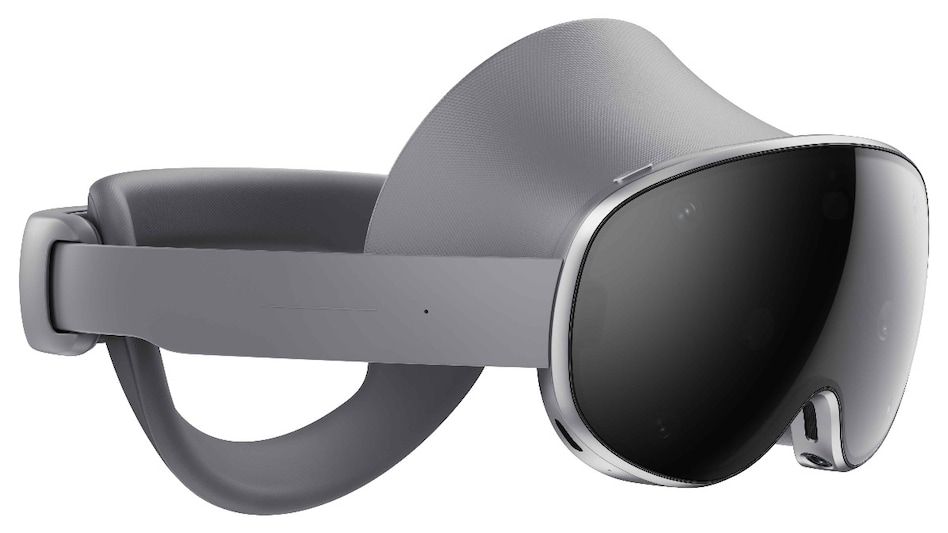
 Samsung Galaxy XR
Samsung has officially introduced Galaxy XR, a next-generation AI-native headset designed to redefine immersive experiences across work, play and discovery. Announced in Seoul, the device marks the beginning of the Android XR ecosystem, developed in collaboration with Google and Qualcomm Technologies.
As the first product built on the new Android XR platform, Galaxy XR merges advanced AI and extended reality (XR) to offer natural interactions through voice, vision and gestures. The launch signals the start of Samsung’s long-term XR journey, which will eventually include AI-powered glasses and other form factors.

 Jio Platforms IPO: Will mega listing unlock value for Reliance shares or upside already priced in?
 Jaishankar-Rubio meet today: Trade deal, defence, West Asia crisis, energy cooperation on agenda
 Another roadblock for Elon Musk's Starlink? Govt mulls security system for foreign satcom firms
 Market holiday: Are BSE, NSE closed or open on account of Dussehra 2026 today?
 ‘Not active as a captain; shared all information asked of us’: Rapido on accused linked to Tiger Shroff shooting case
 Retirement Planning: How a ₹10,000 Monthly SIP Can Grow to ₹1 Crore in 20 Years
 Volkswagen On CNG Cars, JSW Partnership And India's Auto Market Outlook
 5 Mutual Fund SIP Mistakes That Can Hurt Your Long-Term Wealth
 Xiaomi Mijia Air Purifier 6 Review: Worth ₹19,999 Before Winter? | Tech Today
 SIP to SWP: How to Withdraw Money From Mutual Funds After Building a Corpus
 Jio Platforms IPO: Will mega listing unlock value for Reliance shares or upside already priced in?Market holiday: Are BSE, NSE closed or open on account of Dussehra 2026 today?
 Jio IPO draws 30 times anchor demand, brokerages see more upside in digital business
 Indian stock market outlook: Nikunj Saraf prefers large-caps, cautions against small-caps
 Hindustan Zinc Q2 earnings: Net profit zooms 149%, revenue at Rs 15,093 crore
  Rajinikanth’s Jailer 2 crosses ₹400 crore worldwide : What box-office figures actually measure‘Not active as a captain; shared all information asked of us’: Rapido on accused linked to Tiger Shroff shooting caseJio Platforms IPO: Will mega listing unlock value for Reliance shares or upside already priced in?
 Gold, silver prices on October 20: Check latest rates in Delhi, Mumbai, Kolkata, other cities
 Buying a MacBook before Diwali? New touchscreen and OLED reports raise questions about whether you should wait












