


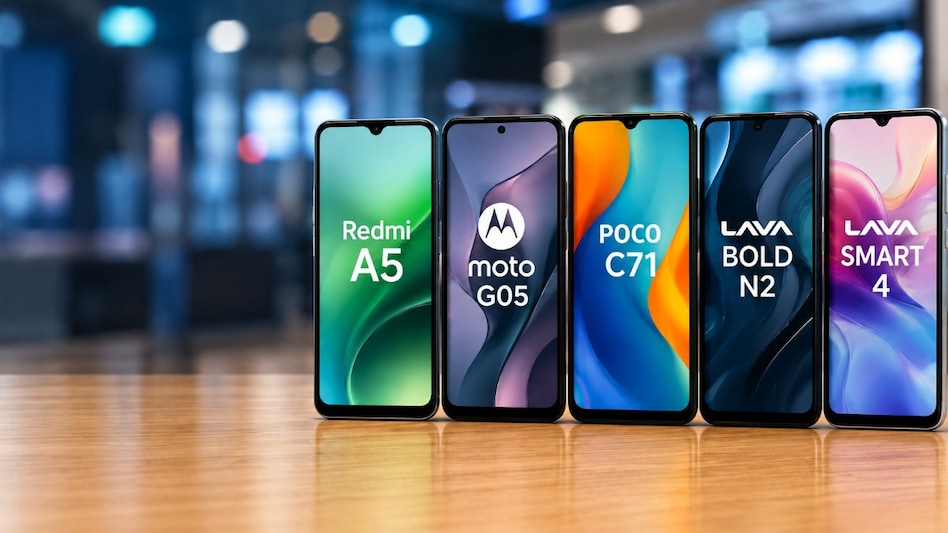
 Rising memory costs push budget buyers towards affordable 4G smartphones in India
If you are planning to buy a smartphone under ₹10,000, you may have fewer choices than you expected. The cheapest smartphones are disappearing from the market, while prices of newer budget devices are moving up.
But there is one category that is quietly making a comeback - 4G smartphones.

 BRICS 2026: PM Modi says Summit will spur meaningful talks for world welfare
 NSE IPO to top LIC, rank as India’s second-biggest issue after Hyundai; top 5 list
  BRICS Summit 2026: Huawei, Alibaba, Emirates among names likely at PM Modi's business forum address
 BRICS Summit 2026: Where the global leaders and officials are staying
 ‘Would do exactly as I did…’: Donald Trump says he doesn’t regret the Iran war
 Crypto to Mutual Funds: Gen Z’s Surprising Investment Shift
 Gen Z Investors: Smart Investing Or Risky Game? Experts Decode The New Money Mindset
 Can BRICS Share Data Without Sharing Control? RITES CMD Rahul Mithal On MAITRI
 India’s Hidden Gems Could Unlock A $500 Bln Export Opportunity: ICIB’s Manpreet Singh
 China Is Not Just A Rival, It’s A Market For Indian Companies Says ICIB President Manpreet Singh
 NSE IPO size cut: SBI, Bank of Baroda, GIC Re and Indian Bank shares react
 Coforge shares fall 2% amid updates on audit review, broader market fall
 Sensex, Nifty tumble as crude prices surge; NSE IPO adds buzz to primary marketNSE IPO to top LIC, rank as India’s second-biggest issue after Hyundai; top 5 list
  Tata Group: Multibagger stock stuck in bear grip for two years; analysts share price targetsNSE IPO size cut: SBI, Bank of Baroda, GIC Re and Indian Bank shares reactCoforge shares fall 2% amid updates on audit review, broader market fall
 BRICS Summit 2026: Delhi Metro advances Sunday services to 6 AM for smooth commute BRICS Summit 2026: Where the global leaders and officials are stayingSensex, Nifty tumble as crude prices surge; NSE IPO adds buzz to primary market












