


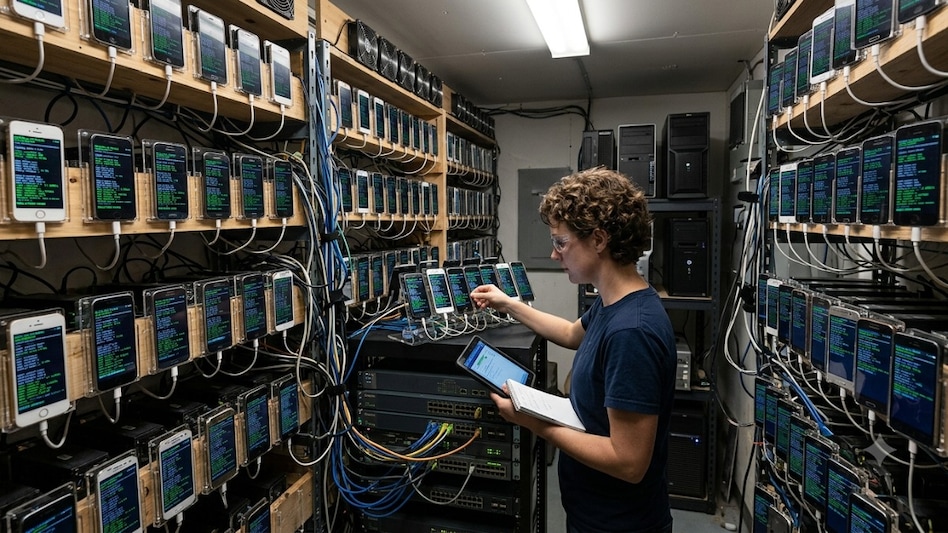
 The initiative aims to create a cheaper and more environmentally friendly computing platform using retired smartphones.
Your old smartphone sitting in a drawer may be of greater use than you think. Google is planning to repurpose old smartphones and redeploy them to build a mini data centre. Researchers at the University of California, San Diego, in collaboration with Google, want to give smartphones a "second life" by turning them into a low-cost, environmentally friendly computing cluster for cloud-computing tasks.
This research is expected to bring a solution to the growing sustainability challenges due to the carbon footprint of computing. A Google blog post revealed why researchers are interested in turning old smartphones into computing clusters.

 BRICS Summit 2026: PM Modi warns against turning critical supply chains into geopolitical tools
  'Need to reflect 2026, and no longer 1945': UN endorses PM Modi’s push for UNSC overhaul in BRICS 2026
 Gucchi Marmik at BRICS 2026 dinner: What makes this rare Himalayan mushroom worth ₹40,000 per kg?
 AI safety warning: Sam Altman, Elon Musk back Anthropic CEO’s call to slow down frontier AI. Why?
 Will the Tata companies with interest in Tata Sons be impacted on Tuesday and how?
 BRICS Summit 2026 LIVE | PM Modi Announces Integrated Early Warning System For Global Crises
 BRICS Summit 2026 LIVE | PM Modi’s Full Speech On Day 2 | Key Messages & Announcements
 BRICS Summit 2026 LIVE | PM Modi Outlines Four Pillars Of India’s BRICS Presidency
 BRICS Summit 2026 | PM Modi Announces Startup Fund, Digital Agriculture & Supply Chain Framework
 Gen Z Stock Portfolio: How To Pick Stocks, Balance Risk & Build A High-Conviction Portfolio
 Avoid jewellery; stick to ETFs, bars and coins for investment this festive season: Navneet Damani
 SEBI’s CAS proposals: Expert weighs in on new expiry-day settlement price methodology
 Large caps stocks under pressure as rising US bond yields, crude prices weigh on foreign flows
  SEBI proposes bringing unexecuted Iceberg orders into closing auction
 SEBI proposes new expiry-day settlement formula for derivatives after CAS concernsBRICS Summit 2026 LIVE | PM Modi Announces Integrated Early Warning System For Global CrisesBRICS Summit 2026 LIVE | PM Modi’s Full Speech On Day 2 | Key Messages & AnnouncementsBRICS Summit 2026 LIVE | PM Modi Outlines Four Pillars Of India’s BRICS PresidencyBRICS Summit 2026 | PM Modi Announces Startup Fund, Digital Agriculture & Supply Chain FrameworkBRICS Summit 2026: PM Modi warns against turning critical supply chains into geopolitical tools












