


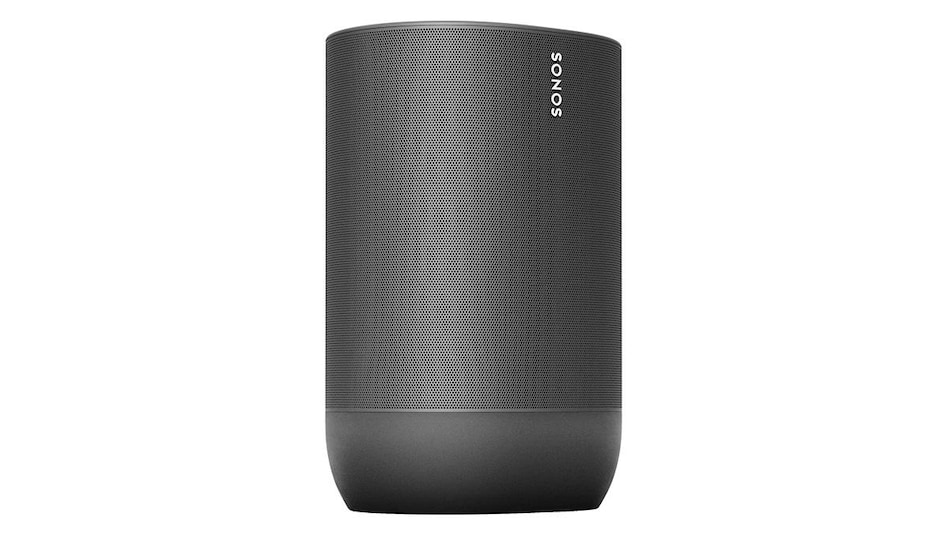
 Given the weight (3kG), which is on the higher side for a portable speaker, Sonos has added a cavity at the back.
Price: Rs 43,999
In the Box: Sonos Move speaker, Charging Dock, Carry bag
It’s no secret that Sonos is known for its multiroom music playback and support for all major streaming services. But what got to me was the exceptional sound from this portable speaker. Even with the compact form factor, the Move manages to bring across an immersive sound experience –single app access to playlists across music apps to clear vocals and thumping bass.
Sonos Move is transportable but by no means is compact. Simple yet elegant looking, it is about 10-inch tall and a little over 6-inch wide. The hard plastic with touch-sensitive controls cover the top (extended to back), the speaker grill covering a little over 180-degree front along with a silicon base at the bottom. Given the weight (3kG), which is on the higher side for a portable speaker, Sonos has added a cavity at the back. This makes it convenient to pick by one hand and carry around. The cavity carved is an extension of the same plastic that the Move’s body has been made of. This also means that the cavity is sturdy, and the plastic will not tear apart. The IP56 made it water-resistant and was able to withstand water splashes and rain. For the speaker is portable and capable to defy accidental drops, I loved carrying it around the house and to my terrace garden (and to the nearby park or a quick getaway where I can drive to when the pandemic subsides). But given the heft it has; Sonos Move is unlikely to accompany me on flights.
 Nirmala Sitharaman backs India’s 10% plus growth potential, highlights role of startups, technology
 SIR voter list: ECI extends claims deadline for Delhi, Maharashtra; check new dates
 NSE empanels Augmont as key partner to promote Electronic Gold Receipts
 US govt vs Anthropic: DC appeals court upholds Pentagon blacklist order. What it means?
 Historic! Home loans in India are now cheaper than the US -- What NRIs must know
 R Veeramani Case: Granite Tycoon Faces Widening POCSO Probe In Chennai
 Gen Z And Money: Why Young Investors Want Quick Returns Over Long-Term Wealth Creation
 How Is Alexa+ Different? Will It have Ads Even If You Pay? Exclusive Chat
 Demand Robust Across Segments | Production To Ramp Up, Exports To Expand: Vivek Srivatsa
 GST Council To Meet On October 7: Invoice Matching, ITC & UPI MDR Tax In Focus
 IPO rush: Four IPOs conclude today; check subscription status, other details of issues still open
 Meesho shares slip 7% as Nomura assigns 'reduce' call; here's what the brokerage says
  Sensex, Nifty extend losing streak to seventh week, longest since 2020: What's next?
 Suzlon in bear grip: Oversold signals emerge near 52-week low for the stock
  EIL shares jump 7% to hit record high; stock up nearly 62% in six months: What's driving the rise?
 ₹469 crore investment gets ground for implementation in UP’s YEIDA regionSIR voter list: ECI extends claims deadline for Delhi, Maharashtra; check new datesNirmala Sitharaman backs India’s 10% plus growth potential, highlights role of startups, technology
 'Last World Cup I’m going to play...': Virat Kohli confirms 2027 will be his final ODI World Cup
  Rohit Sharma recalls Shikhar Dhawan partnership, says their 'Faltu ki baatein' kept pressure away












