


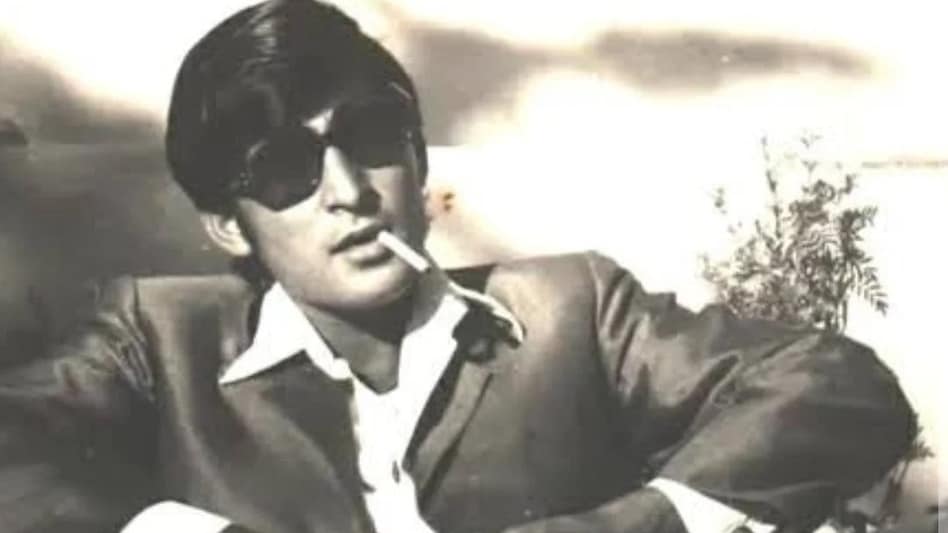
 From RAW agent to Pakistan Army Major: The story of Ravindra Kaushik (Image: Social Media)
Espionage dramas like Dhurandhar bring undercover intelligence operations into popular focus, and attention has once again turned to real-life figures who operated in similar high-risk environments. Among them, Ravindra Kaushik, widely known as the "Black Tiger," remains one of India's most notable deep-cover agents.
Early recruitment and training

 From selling gold to spending ₹3.5 lakh: iPhone 18 Pro fever hits India as fans queue up on sale day
 Jefferies' Christopher Wood sees gold at $10,000 'sooner or later'; likes India's small, midcaps
 NSE IPO fully subscribed on Day 2; QIB, NII quotas booked 1.3 times each
 Warren Buffett steps down as Chairman after 60 years: What changes at Berkshire Hathaway now
 How AI collapse could benefit Indian equity market; Jefferies' Christopher Wood explains
  “Unacceptable And Unprofessional”: MEA Rejects Pakistan’s Claims Over INS Kolkata Collision
  Commodity Trading For Beginners: How MCX & NCDEX Work | Trading Basics | Money Today
 US Fed Rate Hikes A Headwind For Foreign Flows? | Jibi Jacob | Jefferies
 ₹25 Billion FII Outflow: What Could Bring Foreign Investors Back? | Jefferies' Jibi Jacob
 India’s Private CapEx Picks Up: Christopher Wood On The Market Outlook
 Jindal Supreme, SS Retail, Hero Motors IPOs subscribed up to 181 times on final day; details here
 Sensex, Nifty post sixth weekly loss; TCS, Titan among top laggards, slip up to 4%How AI collapse could benefit Indian equity market; Jefferies' Christopher Wood explains
  Banks are no more secular growth story, prefer NBFCs: Chris WoodJefferies' Christopher Wood sees gold at $10,000 'sooner or later'; likes India's small, midcaps
 Delhi Airport introduces dedicated gates for hand-baggage-only travellers: Check gate numbers
 Highway builders seek extension of West Asia-related relief measures till December 31
 Spending ₹36,999 or ₹49,999 on a Redmi phone? Compare the Note 17 Pro and Pro Max before buying in India“Unacceptable And Unprofessional”: MEA Rejects Pakistan’s Claims Over INS Kolkata Collision
  Earning between ₹15,000 and ₹25,000? The new EPF rule could change your payslip and retirement savings












