


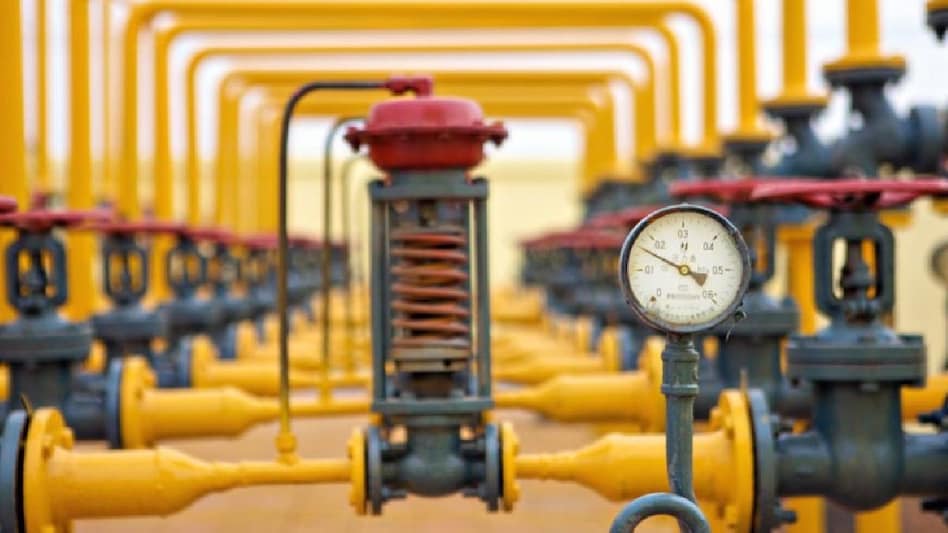
 Although Qatar sends only a limited share of its LNG exports to Europe, al-Kaabi warned the continent could still face a severe squeeze.
 The escalating conflict in West Asia is raising alarm across global energy markets, with Saad al-Kaabi warning that prolonged disruption in the Gulf could send oil and gas prices soaring and potentially trigger a global economic slowdown.

 BT BIG STORY: 'Ratan Tata never wanted to list Tata Sons'
 20-year-old bottleneck solved: What Google Quantum AI's latest scientific breakthrough means
 Young entrepreneurs expand into clean energy, SpaceTech and defence, Hurun U35 list shows
 LIC launches three new insurance plans for retirement income, health and cancer cover
 Apple HomePod mini 2 vs Google Nest Mini 2: Apple offers Siri AI, Google brings ultrasound sensing
 Jio Platforms IPO: ₹30,000 Crore Issue Opens October 21, Valuation At ₹10.3 Lakh Crore
 Weekend OTT Releases: The Diplomat 4, Aasha, Sacrifice And More
 How Jio Transformed India From Data Scarce to Data Abundant! | Akash Ambani | Jio Platforms IPO
 Akash Ambani Decodes Jio's Financial Muscle | Reveals The 5 Key Business Drivers | Jio Platforms IPO
 From Dhirubhai’s 1977 IPO to Jio's Mega Launch | Uday Kotak Calls Jio IPO a ‘Moment in History’
 RIL group to become India's largest conglomerate by m-cap after Jio IPO: Uday Kotak
 Gold eyes sharp recovery; can MCX prices hit Rs 1.5 lakh? Vandana Bharti explains
 Tech Mahindra Q2 results: PAT rises 33% YoY to Rs 1,586 crore; recommends 1:1 bonus issue
 Jio Platforms IPO: How HFCL promoter Mahendra Nahata's investment could rise over 110 times
 South Indian Bank shares hit 52-week high on Q2 earnings, close higher
  Vinod Khosla seeks Chief of Staff for high-stakes role in Menlo Park. Check requirements
 Mahindra's first CNG SUV at ₹9.99 lakh: 200 Nm torque and a mileage surprise20-year-old bottleneck solved: What Google Quantum AI's latest scientific breakthrough means
 Rajinikanth's Jailer 2 hits theatres: Fans celebrate like it's Diwali, Pongal and ChristmasBT BIG STORY: 'Ratan Tata never wanted to list Tata Sons'












