


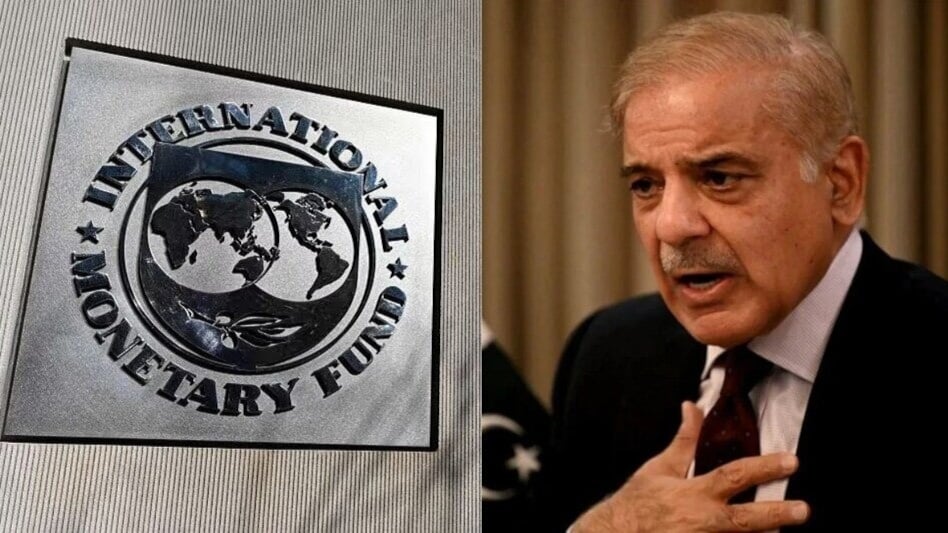
 The IMF wants Pakistan to break entrenched elite influence over the sugar industry.
The International Monetary Fund (IMF) has placed 11 new conditions on Pakistan under the second review of its $7 billion bailout programme, bringing the total to 64 within just 18 months. The newly released staff-level report outlines a series of governance, anti-corruption, fiscal and structural reforms aimed at addressing what the IMF calls “deep-rooted distortions” in Pakistan’s economy.
Key conditions are

 Fewer seats, higher fares: Why flying home this festive season costs more
 Much of the market downside may be behind us, says Carnelian’s Vikas Khemani
 Jio Platforms IPO: Reliance Group set to overtake Tata Group in market cap race; check India's top-5
 Samsung vs Dua Lipa: The $15 million photo fight takes a new turn over TV packaging
 BT BIG STORY: Why young global scholars are returning to teach at India's B-schools
 PNB Reports Strong Q2FY27 Results; MD & CEO Ashok Chandra On Earnings And Growth Outlook
 Market Commentary | Axis, HDFC Bank & IT Stocks Bleed! Vaishali Parekh On Key Support Levels
 Cricket Diplomacy To Zero Tariffs: Why The India-New Zealand FTA Is A Total Win-Win
 How Many Mutual Funds Should You Hold? Expert Explains Portfolio Diversification And Fund Overlap
 Why Smartphone Prices Are Skyrocketing Despite Festive Discounts?
 Indian stock market outlook: Nikunj Saraf prefers large-caps, cautions against small-caps
 Hindustan Zinc Q2 earnings: Net profit zooms 149%, revenue at Rs 15,093 crore
  Muhurat Trading 2026: NSE, BSE announce Diwali timings; check full schedule
 ICICI Bank shares close lower after Q2 earnings; 3 brokerages remain bullish
 Union Bank of India shares rise 5% on Q2 earnings, check details
 Jabalpur Parle-G Factory Fire: Short Circuit Suspected, Probe AwaitedPNB Reports Strong Q2FY27 Results; MD & CEO Ashok Chandra On Earnings And Growth Outlook
 India - New Zealand FTA: AYUSH Goes Global, $20B Investment Inflows: Piyush Goyal Details Mega Pact
 India-New Zealand Trade Deal: Zero Duty For Indian Exports, $20 Billion Investment Boost!
 Elon Musk’s $10.5 Billion Giveaway? Every U.S. Child Could Get SpaceX Shares












