


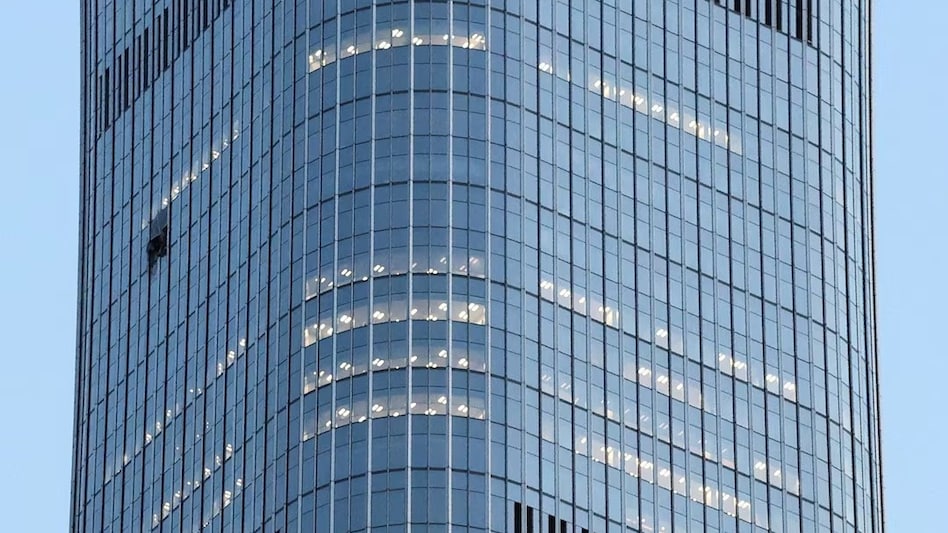
 Beijing plane crash probe points to pilot's mental health struggles, raises security questions (Reuters)
The pilot of the light aircraft that crashed into Beijing's tallest skyscraper last week had a long history of anxiety and insomnia and had repeatedly written about "ending his life" in his diary, investigators said on Thursday. They concluded that the incident endangered public safety for "personal reasons."
The June 26 crash killed the 66-year-old pilot, identified only by his surname Liu, and injured 13 others.

 How Indian investment overseas is gathering momentum
 10-year jail, ₹50 lakh fine: Lok Sabha approves anti-paper leak bill; key details inside
 ITR filing 2026: Confused by the 'reason for filing ITR' question? Here's what taxpayers need to know
 'Hindu daughters not entitled if...': Madras HC's key ruling on ancestral property rights
 The world is now opting for ‘human responsive cities’ over smart cities; here’s what it means
 10 Tax Jargons Every First-Time Taxpayer Must Know | Tax Guide | Personal Finance | Money Today
 FIFA's $4.2 Billion Gamble: Infantino, Trump And The Battle Over Football's Future
 LIVE What’s Hot: Stocks, Gold & Big Money Moves | Daily Markets Show | July 29 | Business Today TV
 Markets LIVE | ICICI Pru AMC Decodes Valuations, Earnings Revival & Best Sectors To Buy
 TDS vs TCS Explained: How Tax Collection Works And Why Taxpayers Should Know
 Planning to buy stocks? Analyst on when to pick largecap, midcap & smallcaps
  'Sometimes as a market crash': Vijay Kedia shares investing lessons in Guru Purnima post
 Daily Calls: Hero MotoCorp, L&T top stock picks; analyst also likes Bharti Airtel, TVS Motor, M&M
 HUL, Varun Beverages, DMart shares: Is the worst behind in FMCG? Mirae Asset ShareKhan analyst weighs in
 Adani Enterprises posts Rs 1,160 crore Q1 loss on one-time OFAC settlement; revenue jumps 50%10 Tax Jargons Every First-Time Taxpayer Must Know | Tax Guide | Personal Finance | Money TodayPlanning to buy stocks? Analyst on when to pick largecap, midcap & smallcaps 'Sometimes as a market crash': Vijay Kedia shares investing lessons in Guru Purnima postFIFA's $4.2 Billion Gamble: Infantino, Trump And The Battle Over Football's Future
 Mahindra merges truck, bus businesses under SML Mahindra in ₹525-crore deal










