


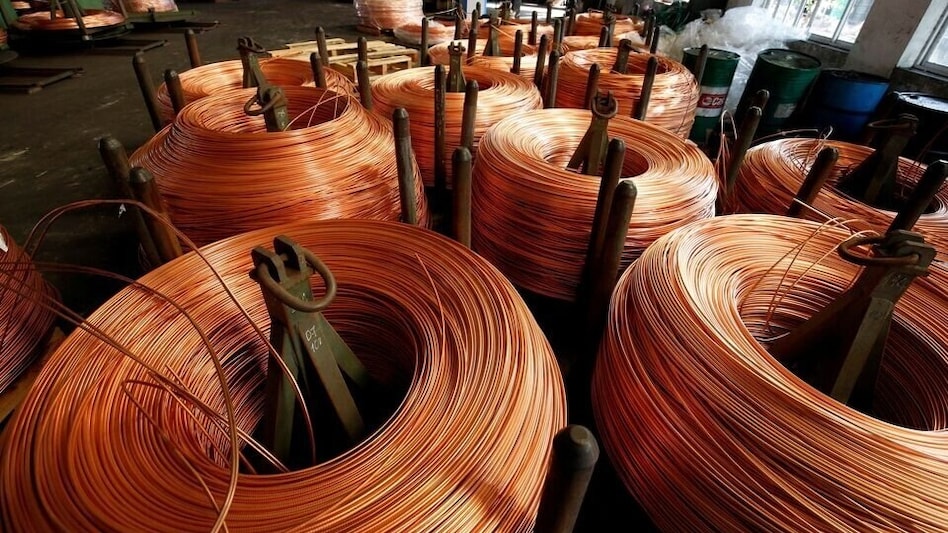
 A major factor behind the disruption is the flow of copper towards the United States.
 Copper markets are flashing a warning that physical supplies are getting dangerously tight. Traders are paying a steep premium for metal they can get immediately, while inventories tracked by the London Metal Exchange (LME) continue to fall sharply.
The LME’s front-month copper spread surged to a $370-per-tonne premium on August 14, according to an analysis by The Kobeissi Letter. That is the widest one-month spread since the 2021 copper supply squeeze, signalling that buyers are willing to pay significantly more for immediate delivery than for copper arriving a month later.

 AI safety warning: Sam Altman, Elon Musk back Anthropic CEO’s call to slow down frontier AI. Why?
 Tata Sons listing may be inevitable after RBI rejection to deregister as CIC
 2026 public debut: Sam Altman rules out OpenAI IPO as AI safety fears mount
 Oracle layoffs: IT giant adds $700 million to restructuring tally amid expensive AI push
 Japanese, Korean banks see massive EPS upgrades while India lags: Jefferies
 Index Funds Vs ETFs: Which Investors Should Choose What? Mohit Gang Explains Portfolio Strategy
 BRICS Summit 2026: PM Modi Hosts Gala Dinner For Putin, World Leaders At Bharat Mandapam
 BRICS Summit 2026: Mega VIP Move! Ministers, CMs Travel Together In Bus
 PM Modi Proposes BRICS Reform Roadmap, Calls For Global Governance Reset
 PM Modi Proposes 10-Point BRICS Reform Roadmap For Global Governance
 SEBI’s CAS proposals: Expert weighs in on new expiry-day settlement price methodology
 Large caps stocks under pressure as rising US bond yields, crude prices weigh on foreign flows
  SEBI proposes bringing unexecuted Iceberg orders into closing auction
 SEBI proposes new expiry-day settlement formula for derivatives after CAS concerns
 Silver may climb to Rs 3.25 lakh, but January peak looks distant: Navneet Damani2026 public debut: Sam Altman rules out OpenAI IPO as AI safety fears mountOracle layoffs: IT giant adds $700 million to restructuring tally amid expensive AI pushIndex Funds Vs ETFs: Which Investors Should Choose What? Mohit Gang Explains Portfolio Strategy
 Canada fast-tracks doctoral visas to 2 weeks to attract top research talent. Check details
 Petrol, diesel prices today, September 13: Check latest rates in Delhi, Mumbai, Chennai, Kolkata & more












