


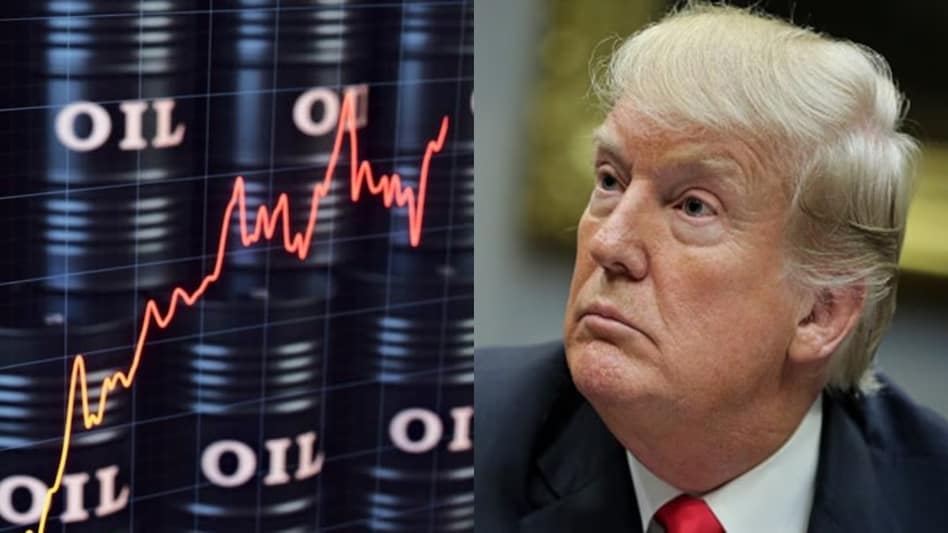
 The intervention comes despite high baseline US output, which averaged roughly 13.6 million barrels of daily crude production in 2025 to lead global crude generation.
Flanked by mounting domestic economic pressure and escalating global energy instability, President Donald Trump has invoked the Cold War-era Defense Production Act (DPA) to boost domestic crude oil production, expand refining capacity, and fortify critical transport logistics.
The executive action officially classifies domestic petroleum and refined products — specifically ultra-low sulfur diesel and aviation fuel — as primary resources national defense depends on. Under Section 303 of the 1950 statue, the administration gains executive authority to grant loans, issue purchase guarantees, and bypass regulatory hurdles to fast-track domestic energy projects.

 BT BIG STORY: What happens when the keys to internet security are no longer secret
 Jio IPO: Listing-day pop or long-term wealth creation? What investors should know
 SBI Focused Fund gets ₹315 cr in Jio IPO anchor allocation: What investors should know about the scheme
 Crude oil shipping costs surge nearly 7-fold: Will Indian consumers pay more for fuel?
 Apple iPhone Duo sale begins today in India: Prices, store timings and how to buy
 Cybersecurity Alert: AI Finds PHP Flaws, eMudhra Faces Certificate Concerns
 BrahMos CEO Exclusive | How BrahMos Is Expanding Production To Supply Vietnam, Indonesia & Russia
 Global Cyber Scare: PHP Flaws Threaten Websites, eMudhra Lapse Sparks Security Alarm
 Budget FY28 | Centre Weighs Up To 20% Higher Fertiliser Subsidy: Sources
 Market Commentary | Nifty - Sensex Today | Aditya Agarwal On What Investors Should Do Now
 SBI Focused Fund gets ₹315 cr in Jio IPO anchor allocation: What investors should know about the scheme
 Meta shares slide 7% as AI spending push drives capex higher, free cash flow turns negative
 Jio IPO: Meta's ₹43,573-crore bet could yield ₹56,272 crore on paper, but what about dollar returns?
 Swiggy Q2 results: Loss narrows to Rs 922 cr, revenue jumps 36%; Instamart loss at Rs 895 cr
 Airtel, Vodafone Idea, Indus Towers: Check fresh targets for Telecom stocks amid Jio Platforms IPO
 49 km claimed range, 436.5 km actual ride! How this electric bike stunned the record books
 Smaller than a car! The world's tiniest plane made history before a tragic endingBT BIG STORY: What happens when the keys to internet security are no longer secret
 BYD's cheapest EV gets a massive upgrade: 5-minute charging claim steals the spotlightSBI Focused Fund gets ₹315 cr in Jio IPO anchor allocation: What investors should know about the scheme













