


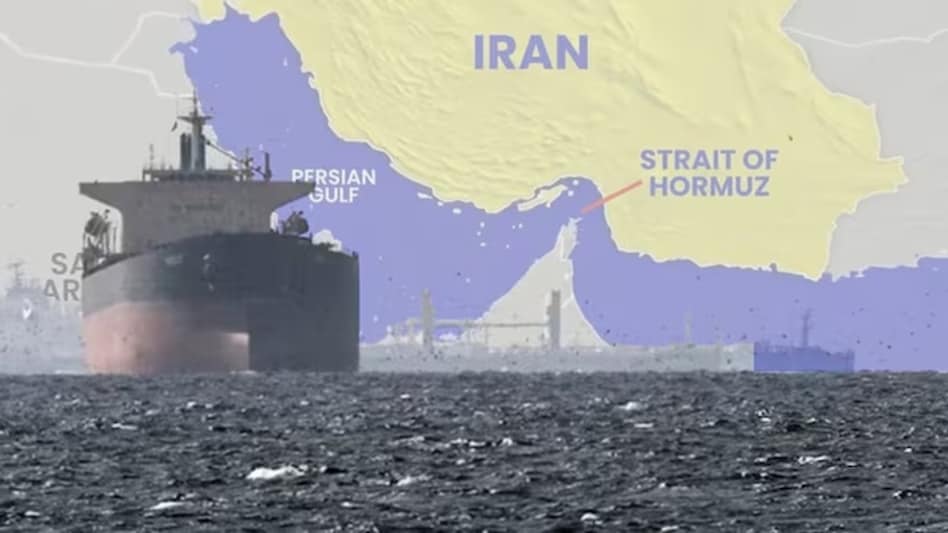
 The US offered no immediate official response. Washington has consistently maintained that an acceptable agreement governing the strait must be secured prior to lifting any blockade.
 A missile strike on an Emirati commercial vessel, fresh military clashes in Yemen, and an unyielding ultimatum from Tehran erupted across the region on August 8 as Iran declared its new control over the Strait of Hormuz non-negotiable.
Calling the new maritime reality in the waterway "irreversible", Iranian army spokesman Amir Akraminia warned that Washington would have to fall in line with Tehran's directives.

 Dollar deluge: RBI’s forex scheme draws $136.37 billion
 'Sugar availability is more than sufficient': Industry dismisses shortage fears ahead of festive season
 '125% of GDP kept in frozen savings of gold, silver': Kotak's Nilesh Shah flags India's growth hurdle
 Mahindra-SML merger to unlock sourcing, product platform and service synergies: Vinod Sahay
 'No mechanical boost to GDP numbers': MoSPI's detailed clarification on 7.8% growth
 U.S. May Tighten Child Passport Checks Under Trump, Indians And Birth Tourism Families Face Scrutiny
 Market Commentary | Deven Choksey On Buying Opportunities & Market Trends
 “India Is Certainly Not In Crisis”: Arvind Panagariya On Growth, Investment And Reforms
 Daily Calls: Ask Your STOCK MARKET TODAY QUERIES | Market Update | Share Market News Today
 What’s Hot: Stocks, Gold & Big Money Moves | Daily Markets Show | September 02 | Business Today
 RIL-backed Alok Industries shares hit fresh 52-week low, end slightly higher
 Milky Mist shares surge 10% after Q1 results; brokerage sees more upside potential
 Hero MotoCorp, Eicher Motors shares slide up to 5%; analyst flags key support levels
 Man Infraconstruction shares fall; Rs 169 crore buyback approval in focus
 Brigade Enterprises shares: Analyst on when to exit the real estate counter
  '11am or 11pm, I feel safe': Indian woman in Japan sparks debate over women’s safety
 'Same job, same status': Delhi HC sets rules for women returning from maternity leave
 India produces over 1.14 billion tonnes of fuel: Where it stands among world’s top producers
 Saved Rs 1.2 crore for daughter's wedding, man loses it to 'digital arrest' scam
 'Magical moment for India': Ex-Finance Commission Chairman hails Japan's A- rating upgrade, defends new GDP methodology












