


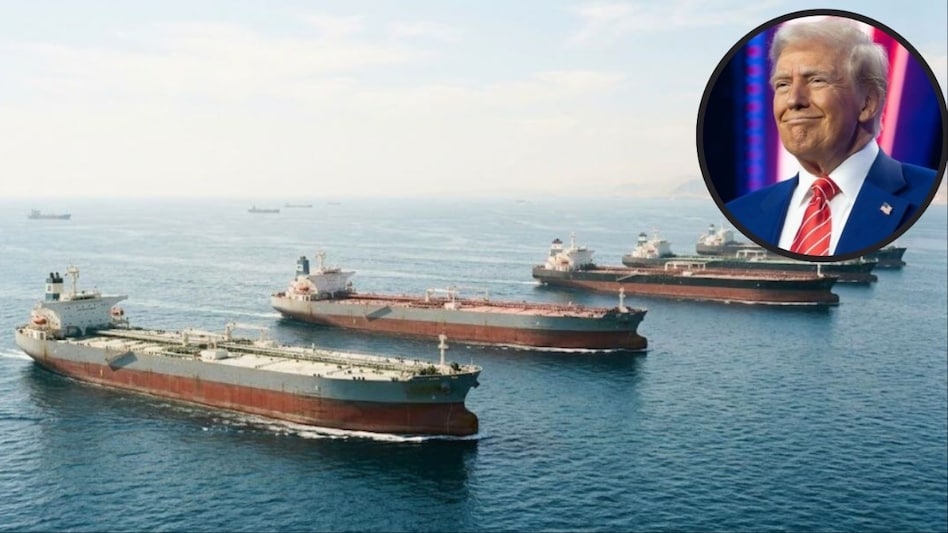
 NATO declines to join Trump's blockade of Iranian ports
West Asia War: NATO allies have declined to join US President Donald Trump's plan to blockade Iranian ports, stating they will only intervene once the fighting ends. This position is expected to increase tensions within the alliance.
Trump stated on Truth Social that other countries would be involved in the blockade soon. Despite this, NATO members including Britain and France declined to join, focusing instead on efforts to reopen the strait, which handles about a fifth of global oil shipments, as mentioned in a Reuters report.

 How Sun Pharma is avoiding a tariff hit by agreeing to MFN pricing for US Medicaid
 BT EXCLUSIVE: Can the soundbox become a bank branch?
 GST mop up rises 14.8% to nearly ₹2 lakh crore in August, refunds climb 68%
 Purple Style Labs IPO: Pernia Qureshi sends legal notice over ‘Pernia’ rights; Axis Capital revises note
 Who is George Kovoor? PepsiCo veteran takes charge as Parle Biscuits CEO
 Modi, Putin, Xi, Pezeshkian At SCO: Is Trump Facing A New Anti-U.S. Power Bloc?
 Two Kerala Women Die In California; Families Await Answers And Their Daughters’ Return Home
 PAK’s Digital Terror Plot: How ISI-Backed Networks Hide Behind Anonymous Online Chats
 RSS Chief’s Mohan Bhagwat’s ‘Vishwaguru’ Message Sparks Political Clash Over India’s Idea Of Service
 Why Are Himalayan Disasters Increasing? Nepal, Uttarakhand & Sikkim Sound The Alarm
 Tata Elxsi shares climb after pact with Sarla Aviation for Shunya aircraft; details here
 Auto ancillary stocks in focus: India to play big role in global supply chain, says Asit Bhandarkar
 IndiGo shares a buy despite rising ATF prices, likely Q2 hit? Target price
 HDFC Bank shares give up Rs 700 mark after February 2024, here are fresh price targetsPurple Style Labs IPO: Pernia Qureshi sends legal notice over ‘Pernia’ rights; Axis Capital revises note
 Fake adult apps are targeting Android users to steal money: Government issues warning
 WGS Dialogue brings 7 UN Secretary-General candidates together to debate the future of multilateralismModi, Putin, Xi, Pezeshkian At SCO: Is Trump Facing A New Anti-U.S. Power Bloc?Two Kerala Women Die In California; Families Await Answers And Their Daughters’ Return Home
 Stuck in Delhi traffic? This ₹454-crore, 61-km road corridor could make your commute easier












