


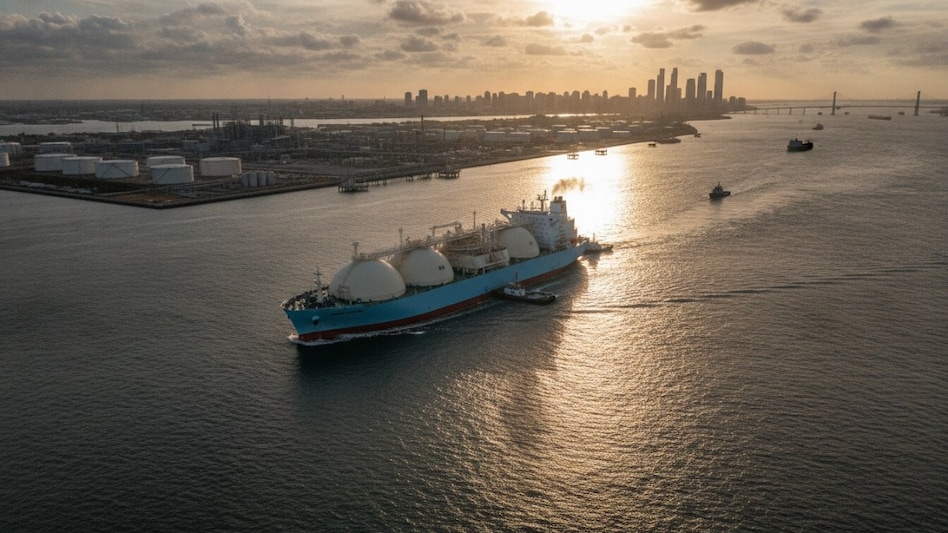
 India's LNG imports increase as it diversifies away from Hormuz
India has sharply increased its imports of liquefied natural gas (LNG) during the May-July period by diversifying supplies away from the conflict-hit Strait of Hormuz, said a report. This helped offset a steep decline in shipments from its traditional supplier, Qatar.
According to a report in The Indian Express, the country's LNG imports rose 15.4% year-on-year to 7.08 million tonnes during May-July, recovering after a nearly 13% fall in March-April, the first two months of the West Asia conflict. The recovery was driven by higher cargoes from the US, Oman, Nigeria and Angola, compensating for the disruption in supplies routed through the Strait of Hormuz, it said.

 'RBI letter does not mention listing': Noel Tata seeks full briefing on Tata Sons-RBI talks
 Tata Trusts asks Tata Sons to explore options other than listing, says ‘Tata Model has to be saved’
 Tata Trusts proposes ₹25,000 crore plan for SP Group, says Tata Sons listing is not an option
 Chandrasekaran had assured all necessary steps were being taken to remain private: Noel Tata
 'We cannot put the cart before...': Noel Tata's argument against N Chandrasekaran's reappointment
 How India Changed In 12 Years: PM Modi’s Journey From Economic Reforms To Viksit Bharat
 Modi @76: From Twitter To Instagram, How His Digital Outreach Has Evolved
 Stock Picks To Watch: Shibani Kurian Reveals Kotak AMC’s Market Bets
 Gold ETF vs Physical Gold: Know the Tax Rules, Charges and Key Differences
  PPF vs NPS: Tax Benefits, Returns and Lock-in Period Explained for Retirement Planning
 Hero Motors IPO subscribed 3.37 times on Day 2; retail portion subscribed over 5 times
 NSE IPO: India's largest exchange gets 43% subscription on Day 1; NIIs, retail see strong demand
 Rentomojo shares settle maiden trade nearly 32% above IPO price; what should investors do now?
 Sensex slips, Nifty settles higher; Tata stocks gain after N Chandrasekaran reappointment
 Cochin Shipyard, KRBL, RITES, Ramky Infrastructure among stocks to turn ex-dividend on September 18
 Earning ₹1 lakh a month? Should you really buy the ₹3 lakh iPhone 18 Pro Max?
 Greater Noida to Jewar Airport without stopping at a toll barrier: Five things every driver needs to know
 Micron workers want 83 months’ salary, reject company’s 68-month bonus offer as AI boom boosts profits
 Noida Airport commuters can drive through toll plaza without stopping, here’s how it will work
 OTT releases this week (Sept 14- Sept 20): 'Irumudi', 'Thudakkam', 'Lee Cronin's The Mummy' and more to watch this weekend












