


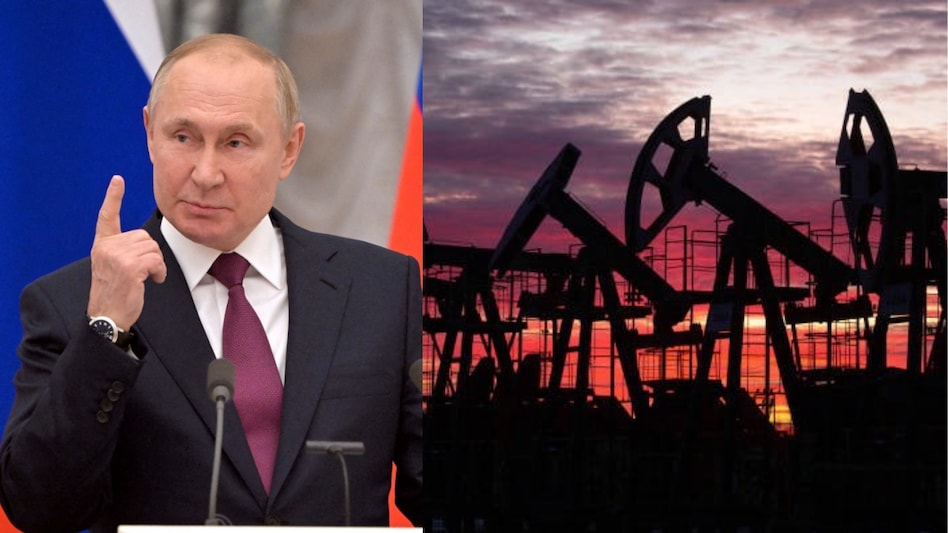
 At present, Russia is a member of the OPEC+ grouping of nations and has been coordinating its policies with OPEC members.
 West Asia conflict latest: Kremlin spokesman Dmitry Peskov said on Wednesday that Russia will not leave the OPEC+ grouping of oil-producing nations, adding Moscow will stay in the group. Speaking to reporters, he said that the existing agreements within the OPEC+ have proven effective in managing global oil markets.
"The Russian Federation hopes to preserve the OPEC+ format after the UAE leaves, since these agreements make it possible to stabilize the markets," Peskov said.

 HDFC Bank shares: Carlisle investors to approach PMO over alleged mis-selling, says report
 $119 mn in Iranian oil trade: US sanctions four Indian firms, three nationals under Trump's economic offensive
 Iran, Oman discuss temporary corridor through Hormuz, to clear it of mines
 Vedanta Aluminium share price target: Buy VAML stock for 21% upside, says MOFSL
 New 1.5-acre BAPS Swaminarayan temple near Pune township: Why homebuyers should take note
 Trump Moves To Make H-1B Visa Fee Permanent And Higher: What It Means For Indians
 Market Rally Vs Geopolitical Risk: What Wins From Here? Aditya Agarwal
 Daily Calls: Ask Your STOCK MARKET TODAY QUERIES | Market Update | Share Market News Today
 Symbiotec Pharmalab IPO | Top Management On Growth Plans, Business Outlook & IPO Strategy
 Chennai Second Airport Halted: Parandur Project Faces Wetland Concerns & Political Storm
 Nifty, Sensex, Nifty Bank outlook for Wednesday: GIFT Nifty up 88 points; key levels to watch todayHDFC Bank shares: Carlisle investors to approach PMO over alleged mis-selling, says reportVedanta Aluminium share price target: Buy VAML stock for 21% upside, says MOFSL
 Top stocks in news: Groww, Welspun Corp, Gaja Capital, TMPV, Cipla, NBCC, HindCopper, UCO Bank, UPL
 Paytm shares up 33% in a month: Time to book profits or is there more upside left?
 14 years in software, then a switch to farming: This Odisha engineer now runs a ₹16-19 lakh monthly mushroom businessNifty, Sensex, Nifty Bank outlook for Wednesday: GIFT Nifty up 88 points; key levels to watch todayHDFC Bank shares: Carlisle investors to approach PMO over alleged mis-selling, says reportIran, Oman discuss temporary corridor through Hormuz, to clear it of mines
 Old DDA flats to get a makeover? Delhi Master Plan 2047 proposes new redevelopment rules












