


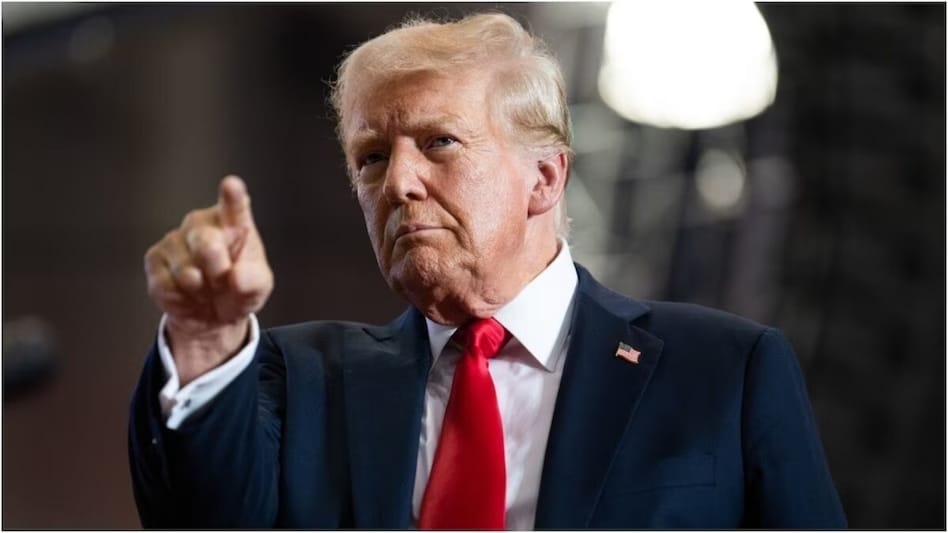
 India's tariff cut to 10% but still caught in lawsuit as 25 US states target Trump trade push
Donald Trump's tariff strategy is in court again. A coalition of 25 Democratic-led states filed a lawsuit on Monday in the US Court of International Trade in New York, challenging tariffs of 10% to 12.5% on imports from 60 trading partners, including India, that came into effect last month. The states are debating that the Trump administration is deliberately circumventing a series of court rulings that have already struck down similar measures by switching to a different legal basis each time.
The disputed tariffs were imposed under Section 301 of the Trade Act of 1974, a law traditionally used to target specific countries or industries engaged in unfair trade practices. The Trump administration has framed the duties as a response to trading partners that have not done enough to prevent exports made with forced labour.

 Retail inflation rises to 4.45% in July as food prices push up price pressures
 Oracle layoffs: 21,000 jobs already gone, another round likely to come before September
 Ahead of Tata Sons AGM, N Chandrasekaran resigns as chairman, to complete his term
 FCRA bill sent to 31-member joint parliamentary committee for detailed scrutiny
  ‘One of the board members did not support…’: Tata Sons Chairman N Chandrasekaran steps down ahead of AGM; full text of statement
 N Chandrasekaran Resigns As Tata Sons Chairman: The Road Ahead For Tata Group
 Trump Towers Hyderabad Set For October Launch, Says Tribeca Developers Founder Kalpesh Mehta
 Nifty Outlook: Feroze Azeez Sees Upside Towards 26,350 Amid Strong Domestic Flows, MF Inflows
 Coheron Wealth’s Aditya Agarwal Decodes Market Rally, What’s Next & Iran War Crisis
 Market Commentary: Amit Goel On Market Outlook, Global Cues & The Next Big Trigger
 Lenskart Q1 results: Profit zooms 269% to Rs 222 crore; revenue up 43%
 TMCV Q1 results: Net profit jumps 83% to Rs 2,560 crore; revenue rises 19%
 CAS and closing price differences: What Sebi chief Tuhin Kanta Pandey said
 Market outlook: What is preventing Nifty from hitting record high? Amit Goel answers
 Need to be watchful, but be persistent: Sebi chief on new market closing auction system
 Three upcoming Royal Enfield motorcycles explained: Himalayan 440 reports, Himalayan 750 prototype and GT-R750 racerLenskart Q1 results: Profit zooms 269% to Rs 222 crore; revenue up 43%
 Airtel discontinues four prepaid plans across India: What users need to knowN Chandrasekaran Resigns As Tata Sons Chairman: The Road Ahead For Tata Group
 Nippon India vs SBI Hybrid Funds: 2 NFOs, 5 key differences investors should know before investing










