


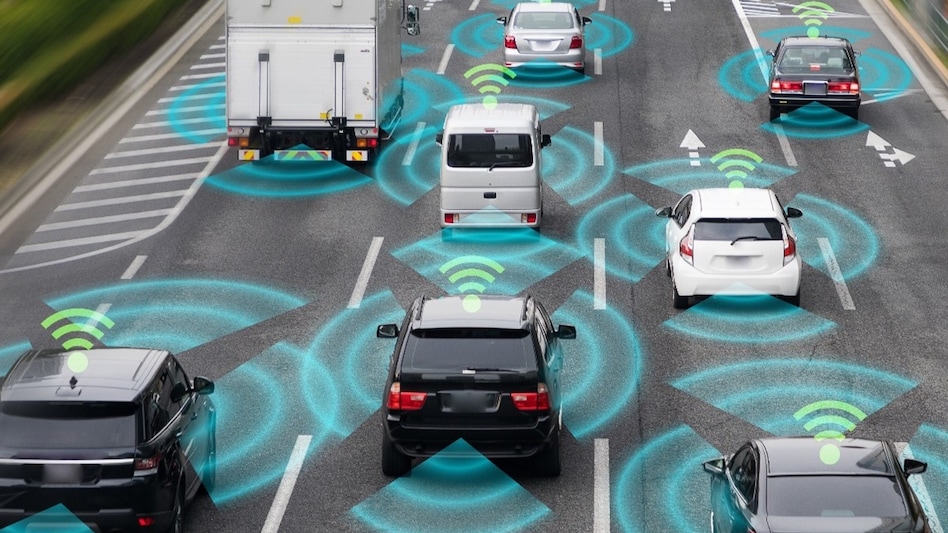
 The Ministry of Road Transport and Highways has proposed a two-stage implementation roadmap for vehicles in categories L, M and N, covering two-wheelers, passenger vehicles and commercial vehicles.
 India is preparing for a major shift in automotive safety, with the government proposing to make Vehicle-to-Vehicle (V2V) communication systems mandatory in new vehicles.
The move is aimed at enabling cars, buses, trucks and two-wheelers to exchange real-time information that could help prevent collisions, warn drivers of hazards before they are visible, and lay the foundation for a connected transportation ecosystem.

 Apple’s growth under CEO Tim Cook: The journey from $350 billion to $5 trillion
 Top 1,000 listed Indian companies see 53% jump in FY25 carbon emissions: IIM-Bangalore study
 How Tim Cook introduced larger iPhone screens and changed Apple’s smartphone strategy
 NSE's ₹30,000 crore IPO: SBI, its investment banking arm to offload 1% stake
 'True founder of Bengaluru's IT hub is Jyoti Basu': Sanjeev Sanyal on Kolkata's lost tech edge
 Gold Price Outlook: Can Festive & Wedding Demand Push Prices Higher In India?
 Gold Price Rally: Why Gold Surged 16% In August; Key Triggers Behind The Comeback
 Gold Vs Silver Vs Sensex Since 2005: Which Investment Delivered Better Returns?
 “Women’s Reservation Will Be Fulfilled”: Kiren Rijiju On Delimitation And Census
 Freelancers & Content Creators: How To Plan Tax On Irregular Income? Expert Explains
 NSE's ₹30,000 crore IPO: SBI, its investment banking arm to offload 1% stake
 Jio Platforms IPO gets SEBI nod: Rs 27,500 crore debt repayment plan, $100 billion valuation in focus
 Closing Auction Session: Why the system expected to reduce volatility is still seeing occasional wild swings
 RIL-backed penny stock hits 52-week low; firm clarifies on high trading volume
 Happiest Minds shares slip despite IT stocks surge; here's what is weighing on the stockGold Price Outlook: Can Festive & Wedding Demand Push Prices Higher In India?
 Visa-free travel: Uzbekistan unveils 30-day entry for Indians during PM Modi visitGold Price Rally: Why Gold Surged 16% In August; Key Triggers Behind The ComebackApple’s growth under CEO Tim Cook: The journey from $350 billion to $5 trillionGold Vs Silver Vs Sensex Since 2005: Which Investment Delivered Better Returns?












