


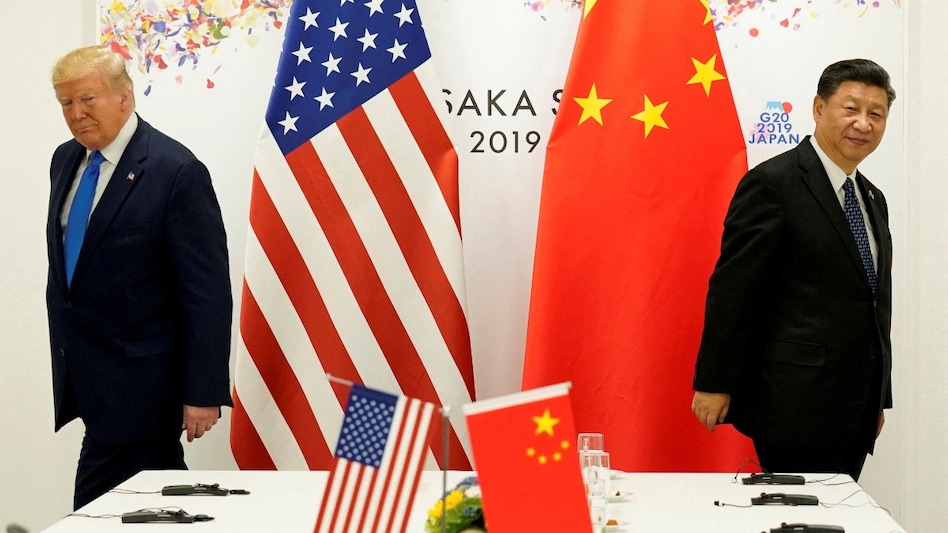
 As Washington and Beijing prepare for another high-stakes negotiation round, Trump’s escalating rhetoric and tariff threats are reshaping the stakes of global trade diplomacy.
US President Donald Trump threatened to slap tariffs of up to 155% on Chinese imports starting November 1, warning that a failure to strike a trade deal would trigger one of the most severe economic escalations between Washington and Beijing in years.
Speaking from the White House alongside Australian Prime Minister Anthony Albanese, Trump said China had been “very respectful” but emphasized that Beijing was already paying “tremendous amounts” in existing tariffs.

 How Tamil Nadu is continuing to lead in manufacturing with factories and factory workers
 Carney strikes back: Canada retaliates against US tariffs with duties on $20 billion of goods
 Get a lifetime membership at Delhi's iconic Roshanara Club; DDA opens 750 slots, check prices
 Did you know India’s cash demand is strong despite the digital payment boom?
 Xi Jinping likely to visit India after 7 years for BRICS summit, may bring 400-member delegation
 Trump Moves To Make H-1B Visa Fee Permanent And Higher: What It Means For Indians
 Market Rally Vs Geopolitical Risk: What Wins From Here? Aditya Agarwal
 Daily Calls: Ask Your STOCK MARKET TODAY QUERIES | Market Update | Share Market News Today
 Symbiotec Pharmalab IPO | Top Management On Growth Plans, Business Outlook & IPO Strategy
 Chennai Second Airport Halted: Parandur Project Faces Wetland Concerns & Political Storm
 Paytm shares up 33% in a month: Time to book profits or is there more upside left?
 Nykaa shares: Elara Capital hikes target price; sees 43% upside potential
 Crompton Greaves shares: Brokerage sees 67% upside potential; check target price
 Dixon Tech, Amber Enterprises: Will they benefit from MPMS? Kotak shares views
 Vodafone Idea, Paradeep Phosphates, Hindustan Copper shares: What expert says
 Ujjain’s robot surprise: Humanoid dancer steals the show at sandwich shop opening
 Smaller than Alto: Suzuki unveils an electric car that packs a big surprise
 85% ethanol ready: Honda brings an adventure scooter with a surprising twist
 Honda Rebel 300 launched: The cruiser battle is about to get interesting
 India’s metro first: DMRC gets global certification that could change how cities run trains












