


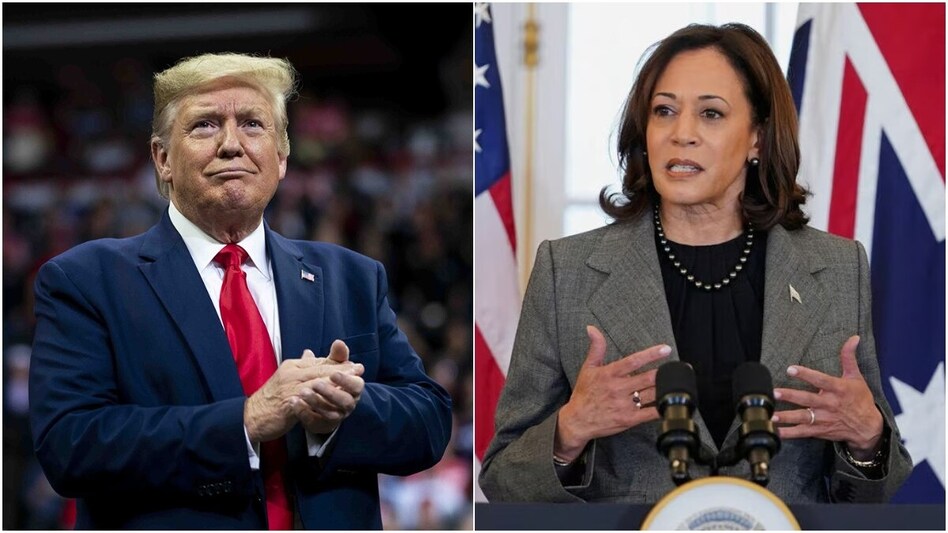
 Wisconsin frequently serves as a crucial determinant in the outcome of US Presidential elections within the swing states.
With the US elections approaching, Wisconsin is in the spotlight as Democrats and Republicans vie for its support. On Friday, Vice President Kamala Harris and former President Donald Trump held separate rallies in Milwaukee, making their final push in the critical swing state of Wisconsin. According to the Associated Press, their events might be the last in the state before Election Day. Though their rallies were held seven miles apart, Harris and Trump did not even meet each other. Here’s a closer look at why Wisconsin is crucial in this election.
1. A True Swing State with Tight Races Wisconsin is known for its narrow election results, often swinging between the Democratic and Republican parties. In the 2016 presidential election, Trump won Wisconsin by a slim margin, which helped secure his victory over Hillary Clinton. However, in 2020, Joe Biden flipped the state back to blue, winning by less than 1% over Trump. This pattern of close races makes Wisconsin a high-stakes battleground, and both parties are keen to secure its 10 electoral votes, which could make a significant difference in a tight national race.

 India now stands at a pivotal moment in its developmental journey, says Shaktikanta Das
 China is both a model and a warning for India's chip ambitions: US professor on what New Delhi should do
 FPI outflows have nothing to do with their belief in India growth story: Neelkanth Mishra
 DLF sells out Gurugram luxury retirement project The Aureva for ₹1,985 crore
 'Had 1 last fight left': Captain Smit Machchhar recalls cockpit attack on Flydubai flight
 Gold Vs Silver: Which Should Investors Buy? Ajay Kedia Shares His 70:30 split Strategy
 Can You Sell Bonds Before Maturity? Liquidity, Exit & Penalties Explained
 Bonds Vs FDs: Are Bonds A Better Alternative For Higher Returns? Risks Explained
 Should You Buy Gold Now? Festive and Wedding Season Strategy Explained
 Direct Vs Regular Mutual Funds: Why the Right Advisor May Matter More Than 1% Cost
 Nvidia shares approach record high as AI optimism revives investor demand
 Sebi receives 20,000 comments on proposed CAS changes; framework to follow soon
 Stock market sell-off: Nifty, Sensex log 8th straight weekly loss; key levels & top triggers now
 IPO boom: 69 Indian companies raise Rs 90,500 crore in Q3 despite stock market sell-off; what's next
 TCS, Infosys, HCL Tech, TechM, Wipro, LTM, Coforge, HEXT: Fresh target, Q2 previews for IT stocksIndia now stands at a pivotal moment in its developmental journey, says Shaktikanta DasGold Vs Silver: Which Should Investors Buy? Ajay Kedia Shares His 70:30 split StrategyDLF sells out Gurugram luxury retirement project The Aureva for ₹1,985 crore
 Could the International Space Station win the 2026 Nobel Peace Prize? Experts think so
 BYD's Denza is coming to India with premium EVs: What buyers need to know












