


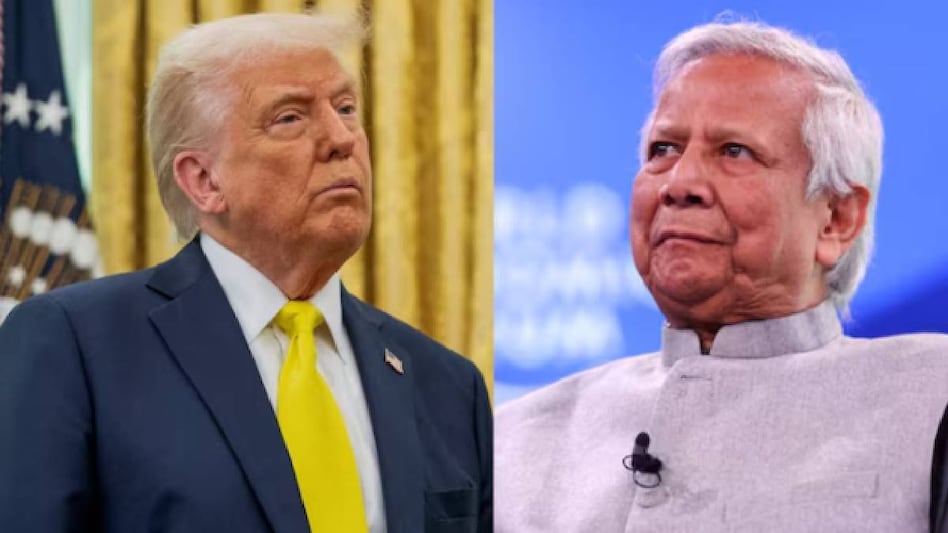
 US-Bangladesh sign trade deal, Washington lowers tariffs on Dhaka to 19%
The United States has reduced tariffs on Bangladeshi exports to a flat 19 per cent as the two nations signed a trade agreement on Monday. This reduction is part of wider arrangements that will grant exemptions for certain textiles and garments made from US-sourced materials. The move marks an adjustment from the previously proposed 37 per cent rate, providing considerable relief to Bangladesh's export-driven economy and textile sector, which accounts for more than 80 per cent of the country's total export earnings and employs around 4 million people.
Muhammad Yunus, chief advisor of Bangladesh's interim government, stated that Washington had committed to establishing a mechanism for certain textile and apparel goods from Bangladesh using US-produced cotton and man-made fibre to receive zero reciprocal tariff in the US market. He explained that the agreement was reached after nine months of negotiations initiated in April of the previous year.

 Tata Sons board likely to meet on September 17, Chandrasekaran exit may take center stage
 CAS case: JPMorgan unit likely to argue Sebi breach was technical, says report
 $1 now costs 2 million rial: Iran's currency hits historic low amid fresh US sanctions
 Skyways Air IPO: Tech, global diversification to drive growth; debt reduction a key focus, says CMD
 'Time to take this pan-India?': Harsh Goenka backs Ahmedabad’s CCTV rule for restaurants
 Market Masters | Aniruddha Sarkar On Top Sectors, Market Outlook & Where To Invest
 Daily Calls: Ask Your STOCK MARKET TODAY QUERIES | Market Update | Share Market News Today
 All About Debt Funds: Types Of Debt Funds & How To Invest | Mutual Fund Guide | Money Today
 “India Can Attract Global Space Talent Like A Magnet”: PM Modi To Startup CEOs
 CM Yogi Responds To Rahul Gandhi Over Manusmriti Remarks, India's Youth, And Heritage
 Tempsens Instruments IPO: Issue subscribed over 184 times on final day; check latest GMP
 Cupid's Aditya Kumar Halwasiya ups stake to 33.53%; buys 11 lakh shares
 Auto, auto ancillary stocks: Is it time to book profits? What Centrum's Nilesh Jain says
 This mid-cap metal stock zooms 15% on Rs 2,700 crore order announcement; do you own?
 RVNL shares a buy? Accumulate railway stock as valuations cool, says Kranthi Bathini
 'Our trade is growing again, thanks to PM Modi': Putin tells EAM JaishankarTata Sons board likely to meet on September 17, Chandrasekaran exit may take center stage
 CJP announces protest march from India Gate to Delhi Police HQ on Sep 5
  Saudi attacked by Houthis, Turkey targeted by Israel: So what is the Mecca Pact doing?Tempsens Instruments IPO: Issue subscribed over 184 times on final day; check latest GMP












