

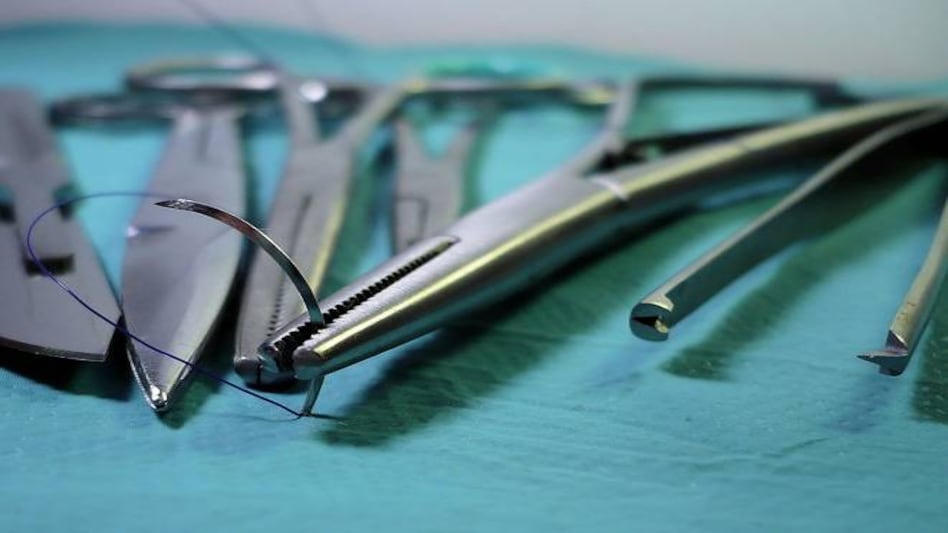
Chennai based Trivitron, promoted by serial healthcare entrepreneur GSK Velu, is the largest Indian medical devices manufacturer, mainly imaging diagnostics and operation theatre products.
Until 2010, the company was mainly a trader for overseas brands, besides limited manufacturing. Then the company had revenues in excess of Rs 350 crore. Soon almost of all of its trading partners deserted Trivitron and started selling directly in the market, without even bothering to pay a compensation. With no other option, Trivitron invested over Rs 500 crore in the last seven years to create nine factories, including two overseas. Though a Rs600 crore plus company now, majority of its small profits are from overseas markets. Capacity utilization at its factories are a dismal 5-10 percent.
 Much of the market downside may be behind us, says Carnelian’s Vikas Khemani
 Fewer seats, higher fares: Why flying home this festive season costs more
 Jio Platforms IPO: Reliance Group set to overtake Tata Group in market cap race; check India's top-5
 Samsung vs Dua Lipa: The $15 million photo fight takes a new turn over TV packaging
 BT BIG STORY: Why young global scholars are returning to teach at India's B-schools
 Smartphone Sales Crash 20% In India As Prices Soar | Discounts Fail To Prop Up The Market
 How To Use Mutual Funds To Attain Financial Independence | Mutual Fund Guide | Personal Finance
 Bonds Vs FDs? PPFAS CIO Tejas Soman Decodes The Ultimate Debt Strategy
 Daily Calls: Ask Your STOCK MARKET TODAY QUERIES | Market Update | Share Market News Today
 LIVE What’s Hot: Stocks, Gold & Big Money Moves | Daily Markets Show | October 19 | Business Today
 Indian stock market outlook: Nikunj Saraf prefers large-caps, cautions against small-caps
 Hindustan Zinc Q2 earnings: Net profit zooms 149%, revenue at Rs 15,093 crore
  Muhurat Trading 2026: NSE, BSE announce Diwali timings; check full schedule
 ICICI Bank shares close lower after Q2 earnings; 3 brokerages remain bullish
 Union Bank of India shares rise 5% on Q2 earnings, check details
 Maruti Alto's new rival? Citroen's tiny electric car has a surprise planned for India
 HFCL Q2 Results: Profit Zooms 448% YoY To Rs 394 Crore; Stock Hits 5% Upper Circuit
 Gender Equality Starts At Home: Why Men Must Be Equal Partners
 'Could seriously hurt sugar industry': ISMA warns against continued preference for dedicated ethanol plants
 Planning a Thailand trip? You may soon have to pay a charge just to leave the country












