


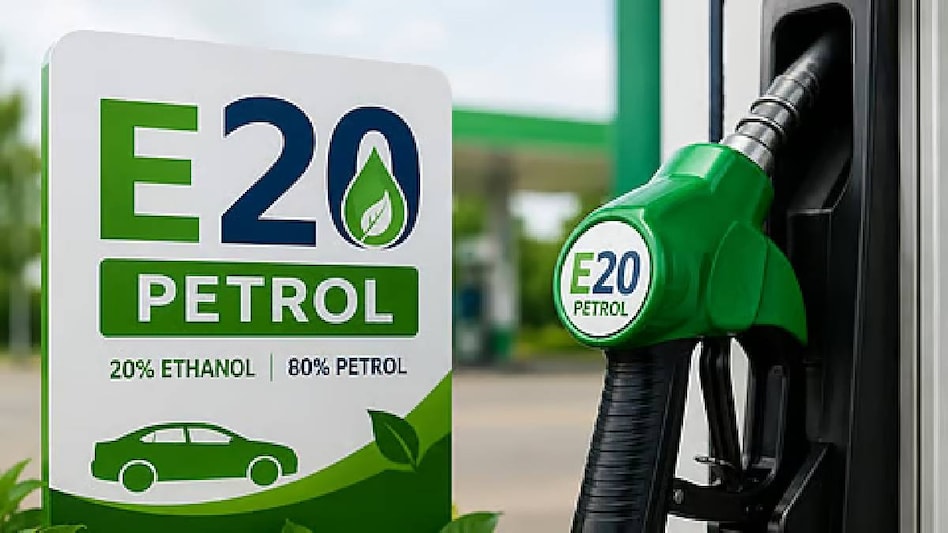
 E20 has brought renewed attention to the govt's long term plan
As the nationwide rollout of E20 petrol triggers a debate over mileage and vehicle compatibility, the government is working on a longer-term ethanol blending roadmap. Business Today had earlier reported that the Centre is evaluating E21 by 2027 and E25 by 2029 through a calibrated transition.
The ongoing debate over E20 petrol has brought renewed attention to the government's long-term ethanol blending strategy, with the Centre evaluating a phased transition towards higher ethanol blends over the next few years.

 SIR voter list: ECI extends claims deadline for Delhi, Maharashtra; check new dates
 US-China trade deal: China to buy 10 million tonnes of US coal in 2027, 2028; tariff relief for $30 billion goods
 Chandrababu Naidu on SIR row: Electoral decisions must follow institutional protocols
 NSE empanels Augmont as key partner to promote Electronic Gold Receipts
 Historic! Home loans in India are now cheaper than the US -- What NRIs must know
 R Veeramani Case: Granite Tycoon Faces Widening POCSO Probe In Chennai
 Gen Z And Money: Why Young Investors Want Quick Returns Over Long-Term Wealth Creation
 How Is Alexa+ Different? Will It have Ads Even If You Pay? Exclusive Chat
 Demand Robust Across Segments | Production To Ramp Up, Exports To Expand: Vivek Srivatsa
 GST Council To Meet On October 7: Invoice Matching, ITC & UPI MDR Tax In Focus
 IPO rush: Four IPOs conclude today; check subscription status, other details of issues still open
 Meesho shares slip 7% as Nomura assigns 'reduce' call; here's what the brokerage says
  Sensex, Nifty extend losing streak to seventh week, longest since 2020: What's next?
 Suzlon in bear grip: Oversold signals emerge near 52-week low for the stock
  EIL shares jump 7% to hit record high; stock up nearly 62% in six months: What's driving the rise?Chandrababu Naidu on SIR row: Electoral decisions must follow institutional protocolsUS-China trade deal: China to buy 10 million tonnes of US coal in 2027, 2028; tariff relief for $30 billion goods
 Election Commission on SIR row: Agendas to be shared before meetings, minutes to follow
 Insurance commissions grew up to 6 times faster than premiums: What IRDAI wants to change
 ₹469 crore investment gets ground for implementation in UP’s YEIDA region












