


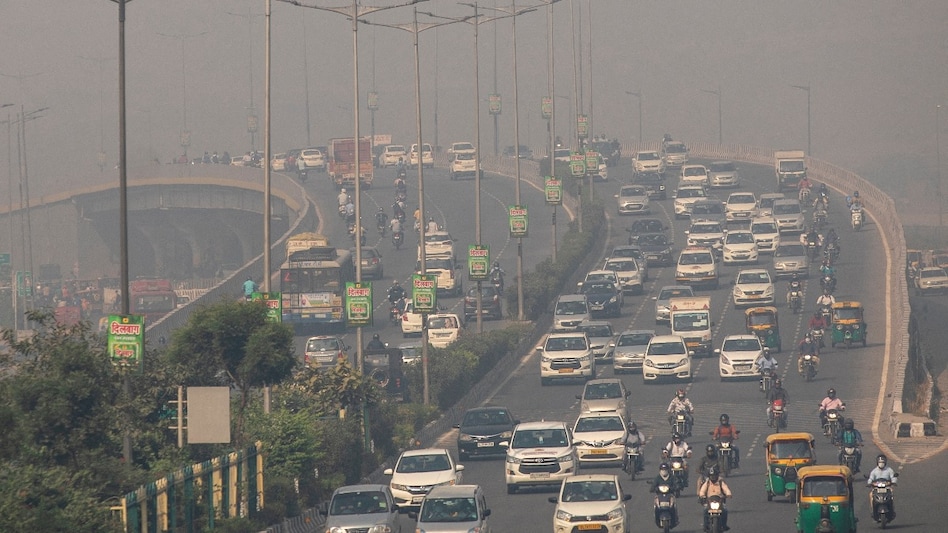
 Own a BS-VI car under 6 years old? You may soon need a PUC certificate only every 3 years
If you own a BS-VI-compliant private car that is less than six years old, you may soon need to get a Pollution Under Control Certificate only once every three years instead of annually. The Ministry of Road Transport and Highways has floated a draft notification proposing exactly that, a graded emission check schedule that rewards owners of cleaner, newer vehicles with less frequent compliance requirements.
What the proposal says

 AI jobs rise 51% in India, but 75% of job skills could change by 2030: LinkedIn India head
 Bangladesh-Pakistan ties: What Dhaka’s interest in Saudi-Türkiye defence pact means for India
 From small loans to big businesses : How rural women are changing India’s microfinance story
 RBI forex swap facility draws $72.85 billion inflows, FCNR(B) deposits account for bulk
  JioBlackRock Mutual Fund revises 6 schemes, adds gold, silver ETFs to flexi cap fund allocation
 Rental Income Tax: 3 Key Deductions Every Senior Citizen and Property Owner Should Know
 Meta’s $200 Billion Trial: Did Instagram & Facebook Keep Kids Hooked?
 Motor Insurance Explained: Is Third-Party Car Insurance Enough? Know Before You Buy
 Retirement Tax Planning: 5 Ways Senior Citizens Can Reduce Their Tax Liability
 #IndiaAt100 : Adipen Bose Nandhiji On Conscious Capitalism- Can Profit & Purpose Coexist?
 Crompton Greaves says no plan to sell stake, expects revenue to double by FY31
 Gaja Alternative Assets IPO: 3 ways to check application status; allotment odds, GMP, listing date
 FII sentiment shows early signs of turnaround after months of selling: Report
 ₹24,800 crore bill: How transaction costs are eating into retail derivatives trading
 Cupid, NTPC Green, NTPC, Raymond Realty, HAL shares: Key technical levels to watchFrom small loans to big businesses : How rural women are changing India’s microfinance story
 Bar Council chief MK Mishra gets 15-day ultimatum to resign over fund diversion, graft allegationsJioBlackRock Mutual Fund revises 6 schemes, adds gold, silver ETFs to flexi cap fund allocationBangladesh-Pakistan ties: What Dhaka’s interest in Saudi-Türkiye defence pact means for IndiaRental Income Tax: 3 Key Deductions Every Senior Citizen and Property Owner Should Know












