

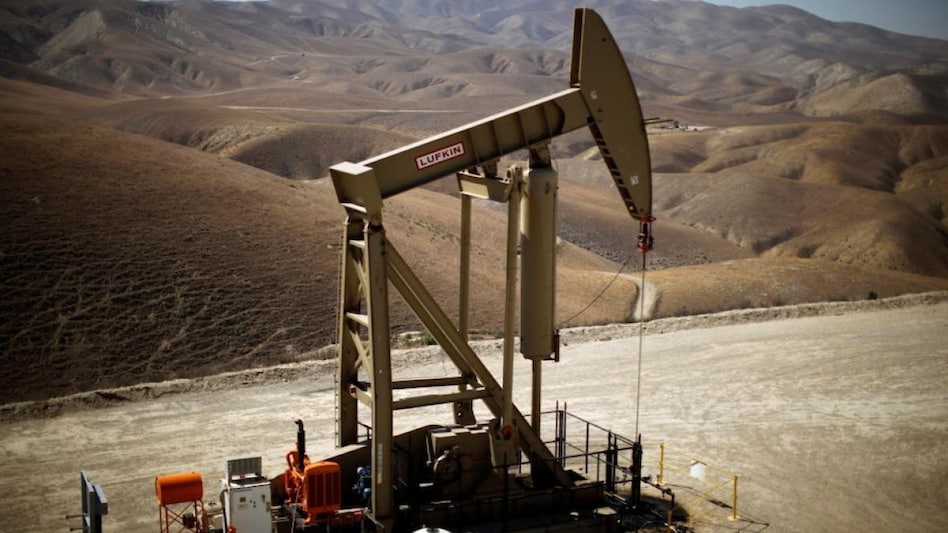
 US crude oil inventories fell by about 3.1 million barrels in the week ended Dec. 16, according to market sources citing American Petroleum Institute figures.
Oil prices rose in early Asian trade on Wednesday as US crude stocks were seen falling last week, while the dollar weakened, making oil less expensive for non-American buyers.
Brent crude futures LCOc1 rose 8 cents to $80.07 per barrel by 0126 GMT, while US West Texas Intermediate (WTI) crude CLc1 futures gained 6 cents to $76.29.
 Navratri gift: Govt caps margins to 30% for 137 anti-cancer drugs; revised prices from Nov 9
 Regulatory outreach a priority: Incoming CEO Anup Bagchi maps operational plan for HDFC Bank
  YES Bank Q2 profit rises 65% to Rs 1,080 cr; proforma impact of restatement of AT-I bonds revealed
 Yes Bank examining in detail Supreme Court verdict on AT1 bonds: CEO
  FSSAI cracks down on FMCG giants Nestlé India and HUL over misleading labels, safety violations
 Gold Investment Options: ETFs, EGR And MCX Explained | How To Invest In Gold Beyond Physical Buying
 Redmi Note 17 Pro Max Review , Vivo V80, Vivo Vision | Tech Gear EP 20 | Business Today
 Mahindra XUV 3XO ZNG Review: Turbo Power Meets CNG Mileage
 Gold, Silver Prices: Limited Upside Ahead Of Diwali? Expert Sees Gold At ₹1.5 Lakh, Silver At ₹2.3
 Expert Names REITs And INVITs To Watch For Quarterly Payouts And Potential Investment Returns
 YES Bank Q2 profit rises 65% to Rs 1,080 cr; proforma impact of restatement of AT-I bonds revealed
 ICICI Bank Q2 results: Net profit jumps 20% to Rs 14,843 crore; NIM contracts
 IDBI Bank Q2 net profit falls 39% to Rs 2,205 crore on year-ago's one-off gain
  Axis Bank Q2 net profit surges 38% to Rs 7,003 crore; NIM at 3.36%; key details
 HDFC Bank Q2 results: Net profit rises 4.7% to Rs 19,510 crore; key highlights
 Saptami chaos: Stampede at Kolkata Durga Puja pandal leaves several dead, many injured
 IPL 2027: Goa likely to host auction on December 16 as BCCI informs franchisesYes Bank examining in detail Supreme Court verdict on AT1 bonds: CEO Navratri gift: Govt caps margins to 30% for 137 anti-cancer drugs; revised prices from Nov 9FSSAI cracks down on FMCG giants Nestlé India and HUL over misleading labels, safety violations












