


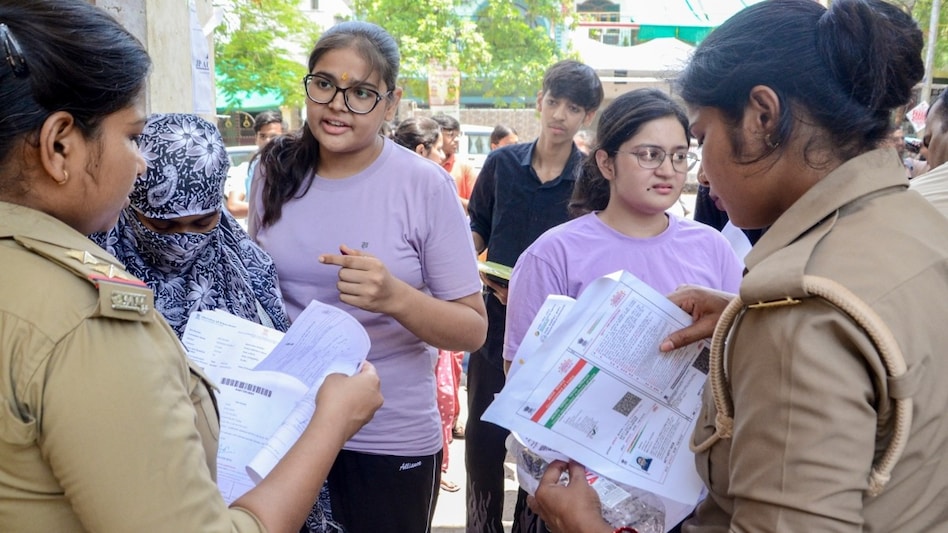
 NEET UG 2026 Cancelled: The cancellation has also intensified emotional stress among students who spent months — and in many cases years — preparing for the examination.
The cancellation of NEET UG 2026 has disrupted the academic plans of nearly 22.05 lakh medical aspirants across India, while also placing an estimated Rs 23,152.5 crore spent on exam preparation under uncertainty. The estimate is based on an average spending of around Rs 1.05 lakh per student on coaching classes, study material, hostel accommodation, online subscriptions, mock tests and travel expenses linked to NEET preparation.
NEET-UG, the country’s largest undergraduate medical entrance examination for MBBS, BDS and allied medical courses, is conducted annually for lakhs of students competing for limited seats in government and private medical colleges. The cancellation has intensified concerns over examination integrity, transparency and the rising financial burden associated with medical entrance preparation in India.
 Boeing detects software glitch in 737 MAX, working on permanent fix: Report
 India's China trade deficit may not tell the full story, FM Sitharaman explains why
 India's first LNG-powered train is here: Amit Shah flags it off in Ahmedabad
 Pay your EMI in advance: Banks' message to customers ahead of 3-day strike
 Festive season sales: ACs, TVs, appliances to get costlier by up to 8% from October 1
 R Veeramani Case: Granite Tycoon Faces Widening POCSO Probe In Chennai
 Gen Z And Money: Why Young Investors Want Quick Returns Over Long-Term Wealth Creation
 How Is Alexa+ Different? Will It have Ads Even If You Pay? Exclusive Chat
 Demand Robust Across Segments | Production To Ramp Up, Exports To Expand: Vivek Srivatsa
 GST Council To Meet On October 7: Invoice Matching, ITC & UPI MDR Tax In Focus
 IPO rush: Four IPOs conclude today; check subscription status, other details of issues still open
 Meesho shares slip 7% as Nomura assigns 'reduce' call; here's what the brokerage says
  Sensex, Nifty extend losing streak to seventh week, longest since 2020: What's next?
 Suzlon in bear grip: Oversold signals emerge near 52-week low for the stock
  EIL shares jump 7% to hit record high; stock up nearly 62% in six months: What's driving the rise?
 India's former top negotiator at WTO. Now he warns of risks in a full-fledged FTA with USIndia's first LNG-powered train is here: Amit Shah flags it off in AhmedabadBoeing detects software glitch in 737 MAX, working on permanent fix: Report
 South Africa mass shootings: 27 killed, 26 injured in separate attacks near Johannesburg and Cape TownPay your EMI in advance: Banks' message to customers ahead of 3-day strike












